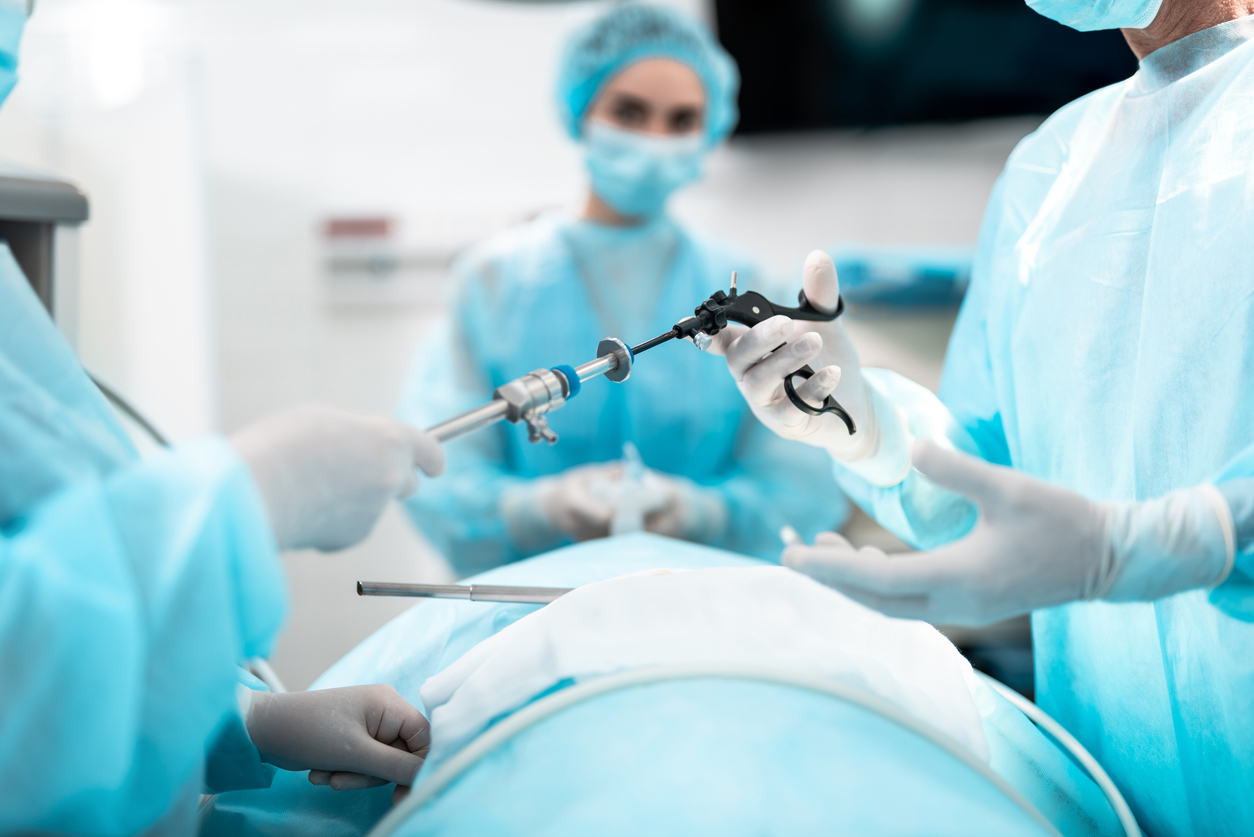
Facing surgery can feel overwhelming. Many people picture large incisions, painful recoveries, and long hospital stays. Thankfully, advances in medical technology have changed that picture. Minimally invasive surgery allows doctors to perform many procedures through small incisions with greater precision and less trauma to the body.
This approach is also known as keyhole surgery, which refers to procedures performed through tiny ‘keyhole’ incisions using specialized instruments and endoscopes such as laparoscopes, thoracoscopes, or arthroscopes.
Patients in Birmingham and across Alabama now have access to these techniques at a modern surgical center, making care more comfortable and recovery more manageable. Let’s break down what minimally invasive surgery is, how it works, the benefits it offers, the key differences between minimally invasive and traditional open surgery, and which procedures are commonly performed at a surgical center like Birmingham Minimally Invasive.
At a Glance
- Minimally invasive surgery uses tiny incisions and specialized tools for safer, faster procedures.
- Laparoscopic surgery is one of the most common minimally invasive techniques.
- Minimally invasive surgery is now used in many surgical areas, including colon surgery and lung surgery.
- Benefits include less pain, reduced scarring, shorter hospital stays, and faster recovery.
- Birmingham Minimally Invasive offers advanced surgical options in a patient-focused surgical center.
What Is Minimally Invasive Surgery?
Minimally invasive surgery (MIS) is an approach in which the surgeon makes tiny incisions, typically measuring less than an inch in length, rather than the larger incisions required in traditional open surgery. Through these openings, surgeons insert thin instruments and a camera that projects a high-definition, magnified view of the inside of the body onto a video monitor.
The surgeon sees every detail clearly on the video monitor and performs the procedure using specialized tools that are designed to minimize disruption to surrounding tissue. This precise method reduces pain, speeds up healing, and leaves fewer scars.
While minimally invasive surgery offers many benefits, it is still surgery and carries risks such as bleeding, infection, and injury to organs.
How Minimally Invasive Surgery Works
Here’s what typically happens during MIS:
- Small Incisions – Usually two to four, each less than an inch long.
- Camera Guidance (Laparoscopy) – When performed in the abdomen, this is called laparoscopy. A laparoscope, a tiny tube with a light and camera, is inserted into the abdominal cavity and provides surgeons with a clear view on a video monitor.
- Specialized Instruments – Thin surgical tools are inserted through the incisions to operate with accuracy.
Laparoscopy is commonly used for abdominal and pelvic surgeries, including gallbladder removal and hernia repair.
Compared to traditional surgery, this method causes less trauma and often gives the surgeon an even clearer view of the area being treated.
Types of Minimally Invasive Surgery
Several techniques fall under the umbrella of MIS. The best option depends on the patient’s condition, overall health, and the surgeon’s recommendation. Many minimally invasive techniques require specialized training and equipment, which can affect their availability.
Robotic surgery is considered the ultimate form of minimally invasive surgery, as it further reduces the need for significant muscle cutting.
Laparoscopic Surgery
The most widely used type, laparoscopic surgery, relies on the small tube camera for guidance. It’s commonly used for:
- Gallbladder removal
- Hernia repair
- Appendectomy (appendix removal is often performed laparoscopically, but in cases where there is significant scar tissue from previous surgeries or the procedure is complex, an open procedure may be necessary)
- Gynecologic procedures such as ovarian cyst removal or hysterectomy
Open procedures provide direct access to the surgical site, which can be important in complex cases or when scar tissue is present, making minimally invasive techniques less suitable.
Endoscopic Surgery
This technique uses an endoscope inserted through natural openings or very small incisions. It’s often performed for gastrointestinal or urinary tract procedures.
All of these techniques aim for the same outcome: effective treatment with less disruption to the body.
Benefits of Minimally Invasive Surgery
Patients often notice the advantages of MIS right away. Compared to traditional surgery, the benefits include:
- Less Pain – Smaller incisions mean less muscle and tissue trauma.
- Faster Recovery – Many patients go home the same day or within 24 hours.
- Lower Risk of Infection – Reduced exposure of internal organs decreases complication risks.
- Smaller Scars – Improved cosmetic results can help with confidence during recovery.
- Shorter Hospital Stays – Many procedures are outpatient, which means less disruption to daily life.
- More Tolerable for Chronic Pain Patients – Minimally invasive surgery is often more tolerable for patients with chronic pain, as it usually requires less pain medication after surgery.
- Due to these advantages, many surgeons now prefer minimally invasive techniques over traditional open surgery because of their safety and effectiveness. Minimally invasive techniques have become the preferred approach whenever appropriate.
Tip: Ask your surgeon if you are a candidate for MIS. Not every condition qualifies, but more procedures are being adapted to this approach every year.
Why Patients in Birmingham Choose Birmingham Minimally Invasive
Deciding where to have surgery is as important as determining which surgery to have. Patients in Birmingham and nearby communities don’t need to travel far to access advanced minimally invasive and laparoscopic techniques.
At Birmingham Minimally Invasive, patients benefit from:
- Expertise in Minimally Invasive Surgery – Surgeons trained in laparoscopic methods.
- A Modern Surgical Center and Advanced Operating Room – Our state-of-the-art operating room is equipped for minimally invasive procedures and staffed by an experienced operating room team dedicated to patient safety and optimal outcomes.
- Personalized Treatment Plans – Surgeons and staff take time to answer questions and guide patients through every step.
- Local Access to Advanced Care – High-quality procedures available right here in Birmingham without needing to travel to larger cities.
- Advanced Procedures Like Endovascular Surgery – We offer endovascular surgery, which involves threading a tiny catheter through a blood vessel and operating through it, often requiring only one tiny incision to access the blood vessel.
The goal is to make surgery less stressful while ensuring the highest standards of safety and effectiveness.
Post-Operative Care and Recovery: What to Expect
Recovering from minimally invasive surgery is often a smoother and more comfortable experience compared to traditional open surgery. Thanks to advanced techniques like laparoscopic surgery, robotic surgery, and other minimally invasive procedures, patients typically benefit from less pain, fewer complications, and a faster return to daily life.
Immediately after your surgical procedure, you’ll be moved to a recovery area where your healthcare provider will closely monitor your vital signs and the surgical site. This careful observation helps ensure that the minimally invasive techniques used—whether it’s arthroscopic surgery, endovascular surgery, or minimally invasive spine surgery—are effective in minimizing tissue damage and reducing the risk of complications such as infection or bleeding.
The length of your hospital stay will depend on the type of procedure performed. For example, patients undergoing minimally invasive abdominal surgery, such as gallbladder removal or hernia repairs, often go home the same day or within 24 hours. More complex surgeries, like minimally invasive spine surgery, may require a slightly longer hospital stay, but it is still typically much shorter than with traditional open surgery.
During your recovery time, your surgeon will provide detailed instructions to help you heal quickly and safely. These may include taking prescribed medications to manage pain, avoiding strenuous activities or heavy lifting, and keeping follow-up appointments to monitor your progress. Following these guidelines is essential for a quicker recovery and to reduce the risk of complications.
While minimally invasive approaches offer many advantages—such as smaller incisions, less tissue damage, and reduced risk of infection and blood loss—it’s important to remember that all surgery carries some risk. However, the use of specialized tools like robotic arms and video assisted thoracoscopic surgery means that most patients experience less trauma to the body and fewer complications overall.
By choosing minimally invasive surgery, many patients enjoy a smoother recovery, less pain, and a quicker return to their normal routines. Staying in close contact with your healthcare provider and following your surgeon’s advice will help ensure the best possible outcome from your minimally invasive procedure.
Frequently Asked Questions
1. What is minimally invasive surgery?
Minimally invasive surgery uses small “keyhole” incisions instead of large cuts to perform procedures with specialized instruments and cameras. These incisions are typically 0.5 to 1.5 cm, resulting in less tissue damage, reduced pain, and a faster return to daily activities compared to traditional open surgery.
2. What are the benefits of minimally invasive surgery?
Patients who undergo minimally invasive surgery often experience shorter hospital stays, quicker recovery times, and less postoperative pain. Smaller incisions also lower the risk of complications and can make the procedure more tolerable for patients, including those with chronic pain or older adults.
3. How does robotic surgery improve surgical precision?
Robotic surgery provides surgeons with an enlarged 3D view of the surgical site and uses robotic arms that allow for greater precision, flexibility, and control. This technology helps surgeons perform delicate procedures in hard-to-reach areas with improved accuracy. Patients who undergo robotic heart surgery often return to normal activities, including work, within two to three weeks, which is faster than traditional open surgery.
4. What is the difference between laparoscopic surgery and open surgery?
Laparoscopic surgery is a minimally invasive technique that uses small incisions and a camera to guide surgical instruments. In contrast, open surgery requires larger incisions and provides the surgeon with direct access to the surgical site, which can be necessary for complex or emergency procedures. This approach, however, can lead to longer hospital stays, increased pain, and a longer recovery period.
5. What are some common types of minimally invasive surgery?
Several techniques fall under minimally invasive surgery, including laparoscopic surgery, robotic surgery, endoscopic surgery, arthroscopic surgery, video-assisted thoracoscopic surgery (VATS), and endovascular surgery. These methods are used to treat conditions affecting areas such as the abdomen, joints, lungs, and blood vessels.
6. When is open surgery still necessary?
Although minimally invasive techniques are widely used, open surgery may still be required for complex procedures or emergencies. In some cases, surgeons may begin with a minimally invasive approach but switch to open surgery if better visibility or access is needed during the operation.
Key Takeaways
Minimally invasive surgery has transformed surgical care. With smaller incisions, faster recovery, and fewer complications, it has become the first choice for many conditions. Laparoscopic surgery remains one of the most common and effective methods to expand what’s possible.
If you’re facing surgery, it’s worth asking about minimally invasive techniques and whether they might be right for you.
If you need surgery, you deserve the most advanced options available. At Birmingham Minimally Invasive, our surgical center offers minimally invasive and laparoscopic procedures that reduce recovery time and improve outcomes.
Call today to schedule a consultation and learn how minimally invasive surgery could help you heal faster and more comfortably.
Schedule Your Consultation at Birmingham Minimally Invasive Today
At Birmingham Minimally Invasive, we believe surgery should be as safe, effective, and comfortable as possible. Our team specializes in advanced minimally invasive and laparoscopic techniques that reduce pain, shorten recovery times, and deliver outstanding results. If you’re ready to explore surgical options that put your health and well-being first, contact us today online or by calling (205) 850-1973 to schedule your consultation.