When first consulting, preparing for, and during the early recovery phase after weight loss surgery, most people are focused mostly on doing everything they need to do in order to lose weight and become healthier. And that’s where your focus should be!
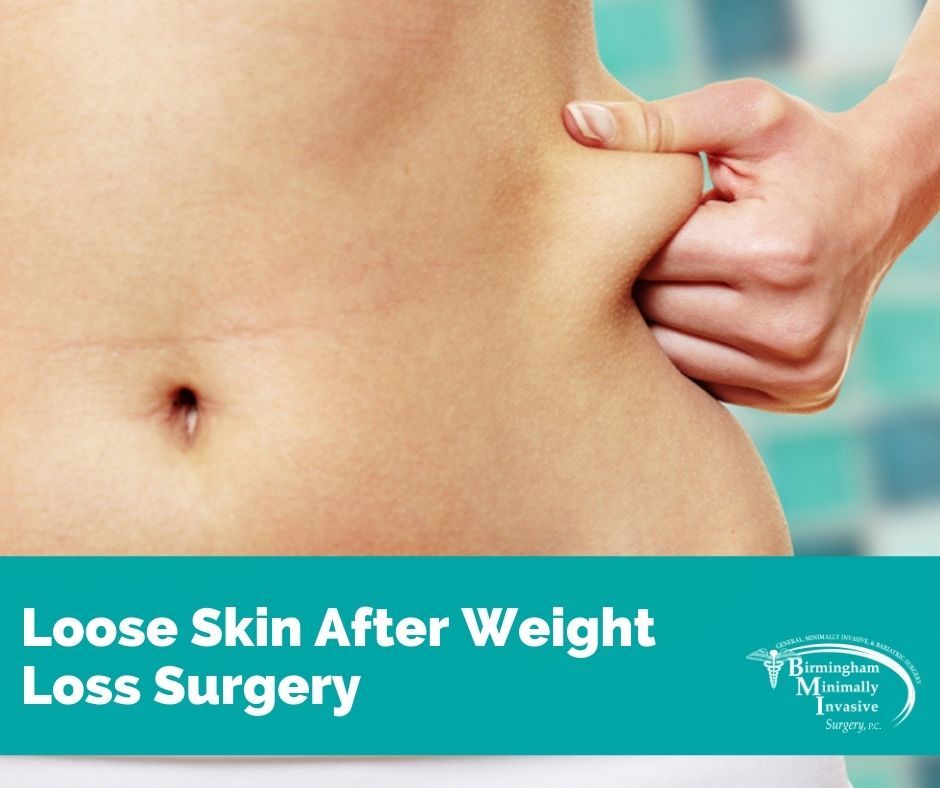
Sometimes, even with very successful weight loss, there can be unexpected things that come up that maybe you weren’t prepared for or hadn’t thought about. One such issue that can occur is excess or loose skin after significant weight loss. Extra skin is a common side effect of major weight loss and may impact both physical comfort and body image.
Since we want to be totally open and honest about all things related to weight loss surgery at Birmingham Minimally Invasive Surgery, we will tackle this subject in this article. The possibility of excess or loose skin is nothing to fear!
What Causes Excess or Loose Skin After Weight Loss Surgery?
When you gain weight, your skin expands around the new mass that your body is adding. When you lose weight, your skin may not have enough elasticity to shrink back down. Therefore, excess, loose, or sagging skin can be a result of losing such a significant amount of weight after weight loss surgery, such as gastric sleeve. It does happen to some people, but not everyone.
For those who do have to deal with it, there are solutions and things to know that will hopefully relieve any fears you may have about excess skin after weight loss surgery.
When it comes to how much excess skin you will have, each person is different. The amount of loose skin present after weight loss surgery depends on several factors, such as your weight before surgery, age, smoking history, and genetics.
To what extent excess skin bothers each person varies as well. It’s totally normal for it to be a big issue for some, while others aren’t bothered by it much at all. A common concern is that saggy skin increases the appearance of premature aging.
The problems that arise from excess skin are not always simply cosmetic though. Excess skin may cause chafing and rashes, especially when it rubs against other folds of skin or when it stays moist. With saggy skin, folds often rub against themselves, and these folds may be harder to keep clean. Over time, the top layer of skin (epidermis) can tear, creating irritation from chafing. This chafing can lead to infections.
Nutrition and Skin Health
Nutrition plays a vital role in supporting your skin’s health, especially after significant weight loss. The foods you eat can directly impact your skin’s elasticity, helping to reduce the appearance of excess skin and sagging skin after losing weight. By focusing on a balanced diet rich in essential nutrients, you can help your skin adapt to your new body shape and support the natural processes that tighten loose skin.
Certain nutrients are especially important for skin after weight loss. Protein is crucial for building and repairing skin tissue, which can help improve skin elasticity and reduce loose skin. Including lean meats, eggs, dairy, legumes, and nuts in your meals can help you maintain muscle mass and support wound healing, especially if you’re considering body contouring procedures like a tummy tuck or arm lift.
Vitamins C and E are powerful antioxidants that protect your skin from damage and support collagen production, which is essential for skin tightening. Vitamin C, found in citrus fruits, berries, and leafy greens, helps stimulate collagen, while vitamin E, present in nuts, seeds, and avocados, helps protect your skin from sun damage and supports skin moisture. Omega-3 fatty acids, found in fatty fish like salmon and in flaxseeds, can help reduce inflammation and promote healthy, supple skin.
Staying hydrated is another key factor in maintaining healthy skin after weight loss. Drinking plenty of water helps keep your skin moisturized and can improve its elasticity, making it less likely to develop excess loose skin. Aim for a stable weight and gradual weight loss, as rapid weight loss can increase the risk of sagging skin and make it harder for your skin to adapt.
In addition to these nutrients, foods rich in antioxidants—such as berries, spinach, and kale—can help protect your skin from free radical damage, while zinc from nuts and seeds supports wound healing and skin adaptability. Avoiding excessive sugar and processed foods is also important, as these can contribute to inflammation and negatively affect your skin’s appearance.
A healthy lifestyle goes hand-in-hand with good nutrition. Regular strength training can help you build muscle, which fills out your skin and improves body composition. Managing stress through activities like yoga or meditation can also support skin health by reducing inflammation. Wearing compression garments may help support your skin as it adjusts to your new body shape.
Some people may consider collagen supplements to further support collagen production and improve skin elasticity. However, it’s best to consult with a healthcare professional or registered dietitian before starting any new supplements, especially if you’re considering skin removal surgeries or other body contouring procedures. If you’re thinking about body contouring surgery to remove excess skin and fat, always seek out a board certified plastic surgeon to discuss your options and ensure the best results.
In summary, focusing on a balanced diet filled with skin-supporting nutrients, staying hydrated, and maintaining a healthy lifestyle can help improve skin elasticity, reduce loose skin, and promote a firmer, more toned appearance after weight loss. Whether you choose non-surgical methods like firming creams and strength training or opt for body contouring surgery, taking care of your skin from the inside out is an important step in your weight loss journey.
Addressing Excess Skin After Weight Loss Surgery
If you’re worried about loose skin after weight loss surgery, whether for health reasons or because you’re concerned about how it may look, there are several ways to minimize sagging skin after surgery. Here are some strategies to think about:
- Eat a healthy diet and stay hydrated — This is crucial after weight loss surgery anyway. A balanced diet with plenty of protein and vitamins can help you keep the weight off and retain lean muscle. Staying hydrated is important for maintaining skin elasticity and supporting elastin production, which helps your skin stay firm. This diet and hydration may also help minimize loose or excess skin to some degree.
- Exercise — Exercise can prevent loose skin after weight loss surgery. When you lose lean muscle mass, you may increase the looseness of your skin. Building muscle through strength training can help support the skin and avoid skin sagging after weight loss by filling out your skin more.
- Treat your skin well — Your skin is an organ, and if you want to avoid loose skin after weight loss, taking care of it can help. This includes using sunscreen with a high sun protection factor (SPF) regularly when outdoors to help maintain skin firmness and prevent premature sagging, using moisturizers, and drinking plenty of water to keep your whole body hydrated.
Non-surgical methods, such as strength training, building muscle, and maintaining a healthy lifestyle, can help tighten skin after weight loss. However, these approaches may not be sufficient for everyone who has lost a large amount of weight, and some may still experience loose or sagging skin.
If the above strategies aren’t enough, cosmetic surgery is also an option. After losing 100 or 150 pounds, it is realistic to expect that you may still have some excess skin. The more weight lost, especially in cases of major weight loss, the more likely it is that excess skin will be present. After major weight loss, body contouring surgeries such as a lower body lift or procedures targeting the upper arms may be considered to remove loose skin and improve body shape. Cosmetic surgery removes excess skin and fat from the body, and removing excess skin can help address both physical discomfort and improve appearance after significant weight lost. A tummy tuck after weight loss surgery is one of the more common procedures. If you’re looking at this option, it’s important to work with a reputable plastic surgeon. The American Society of Bariatric Plastic Surgeons is a good place to start, and we will be happy to make a recommendation as well.
Contact Birmingham Minimally Invasive Surgery to Get Started on Your Weight Loss Journey
The caring group of professionals at Birmingham Minimally Invasive Surgery will help you get started on your weight loss journey and stay with you every step along the way. Dr. Long and his team specialize in all types of bariatric surgery, including gastric sleeve surgery, gastric bypass, and the LAP-BAND. Visit us today at http://www.bmisurgery.com/ or give us a call to set up a consultation at 205-833-6907.