When you are thinking about having weight loss surgery, one of the first questions that is likely to come to your mind is whether or not the procedure is reversible. This is an especially relevant question when you are comparing adjustable devices like the Gastric Band (LAP-BAND®), also known as an adjustable gastric band, versus permanent surgeries such as the gastric sleeve (also known as vertical sleeve gastrectomy) or gastric bypass. Both gastric bypass and gastric sleeve are among the most common types of bariatric surgery performed in the United States.
Let’s explore these different types of weight loss surgery and what “reversible” really means in this context.
Introduction to Bariatric Surgery
Bariatric surgery, often referred to as weight loss surgery, is a powerful medical tool designed to help individuals struggling with obesity achieve lasting weight loss and better health. These surgical procedures, including gastric bypass surgery, gastric sleeve surgery, and lap band surgery, work by limiting food intake, altering the digestive process, or both. By reducing the stomach’s capacity or rerouting the digestive tract, bariatric surgery helps patients lose weight when traditional methods have not been successful.
Typically, candidates for bariatric surgery have a body mass index (BMI) of 40 or higher, or a BMI of 35 or above with serious health conditions such as high blood pressure, type 2 diabetes, or sleep apnea. The primary goal of these surgeries is to help patients reach a healthy weight, improve their quality of life, and lower the risk of obesity-related diseases. Whether through gastric bypass, gastric sleeve, or lap band procedures, bariatric surgery offers hope for those seeking a long-term solution to weight management and better overall health.
What is the Gastric Band / LAP-Band?
A Gastric Band, often referred to by the brand name LAP-BAND, is a hollow band made of special material that is placed around the upper portion of the stomach to create a small pouch. Placement of the band requires accessing the abdominal cavity to position the device around the stomach. The band is inflated with a saline solution, and increasing or decreasing the amount of this solution will tighten or loosen the size of the passage into the larger remainder of the stomach.
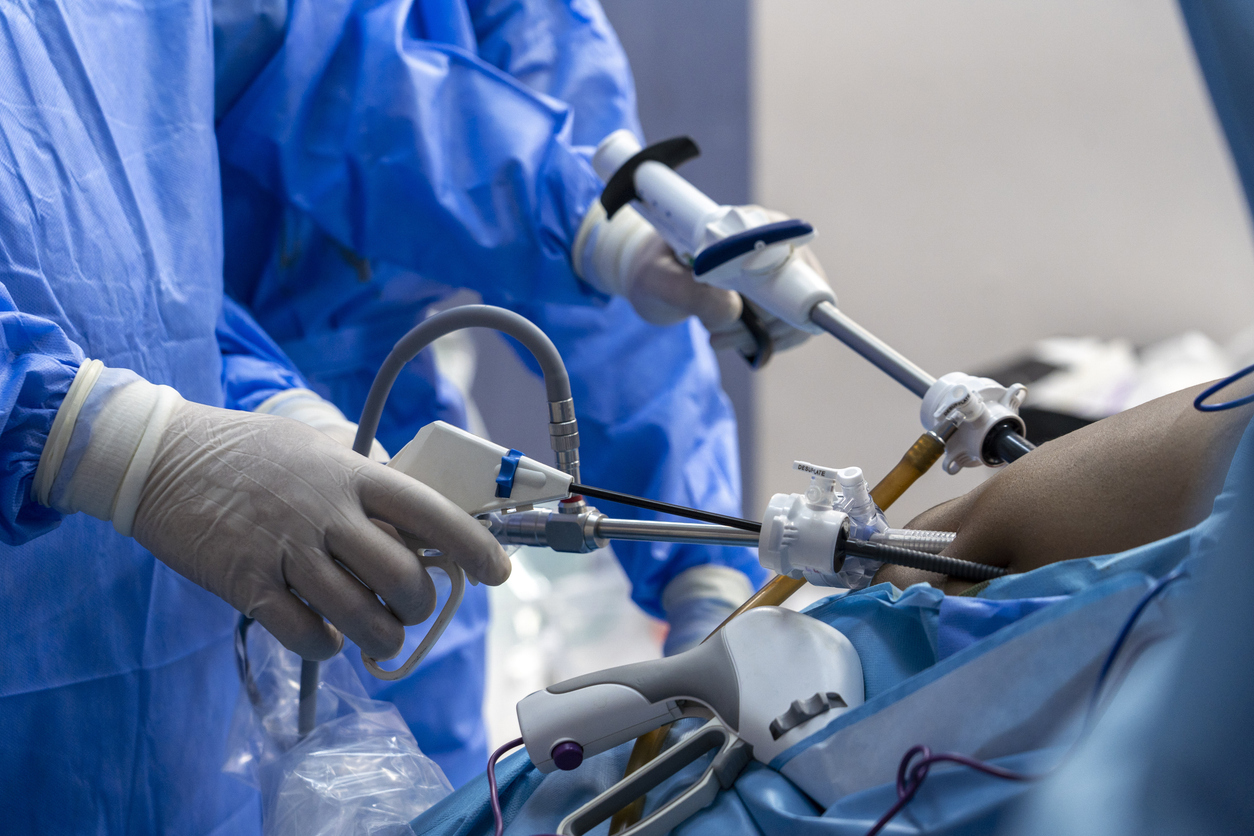
The idea is to reduce the stomach’s capacity and limit the amount of food that can be consumed to achieve weight loss goals. This procedure does not require cutting, stapling, removing tissue, or rerouting intestines. The band is placed laparoscopically using small incision sites. In other words, it is a completely reversible procedure.
If there are complications or you are experiencing unsatisfactory weight loss results, the LAP-BAND can be adjusted via a saline-filled port under the skin. It can also be removed entirely, restoring your stomach’s original anatomical structure. However, scar tissue often remains after removal, which may make future surgeries more complex, and long-term digestive function might be affected. Food intolerance is a potential complication after gastric banding, and patients tend to experience discomfort or intolerance to certain foods, which may lead to band removal or revision. Weight regain is common after band removal, and patients often regain weight if they do not pursue alternative bariatric procedures.
What is the LAP-BAND Reversal Process?
The gastric band reversal has three stages: band removal, anatomical restoration, and recovery. Let’s examine what each stage entails.
- Gastric Band Removal Procedure: Band removal is done laparoscopically, using the original incision sites that were used for placement. The tubing is disconnected, and any scar tissue or adhesions are removed. The band and access port are then removed entirely.
- Anatomical Restoration: After removal, the stomach’s capacity returns to normal, allowing the remaining stomach to re-expand to its original size and shape. However, some adhesions or tissue changes may still affect the remaining stomach.
- Recovery: Recovery after gastric band removal is short. Many patients go home the same day or after a night’s stay.
Weight gain is not uncommon after the reversal. Some people also experience reflux after removal, just as they may during a band adjustment.
Are Gastric Sleeve or Gastric Bypass Surgeries Reversible?
Many people who experience unsatisfactory results with the LAP-BAND procedure will choose to have the more effective gastric sleeve or bypass surgeries. However, unlike the LAP-BAND procedure, the gastric sleeve and gastric bypass are considered permanent weight loss surgeries and are classified as metabolic and bariatric surgery. The laparoscopic sleeve gastrectomy reduces the stomach size by approximately 80%, leading to decreased hunger and increased fullness, and the remaining stomach is shaped like a narrow tube. Because the portion of the stomach is permanently removed, it is not possible to reverse the procedure and restore the stomach’s original form. Gastric sleeve surgery is performed using minimally invasive techniques, resulting in less pain and faster recovery compared to traditional surgeries. However, gastric sleeve surgery involves the removal of approximately 80% of the stomach, which can lead to complications such as leaks, bleeding, and infection. If necessary, the gastric sleeve can be revised or converted into a gastric bypass, which is still a permanent change, not a reversal. Conversion to gastric bypass is a common revision option for patients experiencing severe reflux or insufficient weight loss after sleeve gastrectomy. Also, a revisional surgery should be undertaken only when there is no other option because revisional surgery carries significant risks, including increased rates of complications and mortality compared to the original procedure. If patients regain weight after sleeve or bypass, further revision may be considered, but outcomes vary.
The gastric bypass procedure has two steps. First, a newly created stomach pouch is formed to restrict food intake. Next, a Y-shaped section of the small intestine is attached to the pouch, allowing food to bypass the lower stomach, the first segment of the small intestine (duodenum), and the second segment of the small intestine (the first portion of the jejunum). This rerouting can lead to significant weight loss and improvement in obesity-related conditions. The gastric bypass procedure is technically reversible, but reversal surgery is rarely performed due to its complexity and high surgical risk.
Gastric bypass works by altering metabolism, hormones (including the hunger hormone), and hunger signals, leading to weight loss and health improvements. Both gastric sleeve and gastric bypass reduce less food intake and affect how the body digests food, which helps patients lose excess weight and extra weight, and reduces excess fat. Most patients require ongoing monitoring and follow-up after these procedures to ensure sustained health benefits. These surgeries can improve or resolve metabolic syndrome, a cluster of conditions that increase the risk of heart disease, diabetes, and stroke. Insurance coverage can influence the cost and accessibility of metabolic and bariatric surgery. After surgery, the way a patient eats changes significantly, as food moves differently through the digestive system, impacting nutrition and satiety.
Types of Bariatric Procedures
There are several types of bariatric procedures available, each offering unique benefits and considerations. Gastric bypass surgery, also known as Roux-en-Y gastric bypass, involves creating a small stomach pouch and connecting it directly to the small intestine. This reduces both the amount of food the stomach can hold and the absorption of calories and nutrients, making it a highly effective option for significant weight loss.
Gastric sleeve surgery, or sleeve gastrectomy, removes a large portion of the stomach, leaving a narrow tube or “sleeve.” This limits the portion of the stomach available for food, helping patients feel full sooner and eat less. Lap band surgery, also called adjustable gastric banding, places a band around the upper portion of the stomach to create a small stomach pouch, restricting food intake and promoting gradual weight loss.
Other bariatric procedures, such as biliopancreatic diversion with duodenal switch (BPD/DS) and single anastomosis duodeno-ileal bypass with sleeve gastrectomy (SADI-S), combine restriction and malabsorption for more complex cases. The choice of procedure depends on individual health needs, weight loss goals, and medical history. Each surgery offers a different approach to reducing food intake and supporting long-term weight management.
Reversible Weight Loss Surgery at Birmingham Minimally Invasive
If you are looking for a reversible or adjustable approach to weight loss surgery, only the gastric band (LAP-BAND) qualifies. Both the gastric sleeve and gastric bypass are intended as lifelong anatomical changes to help manage obesity where other weight loss options have failed.
When it comes to revisional surgical procedures, which should only be undertaken when there is no other option for the patient, please contact our office. We have extensive experience in bariatric and revision surgeries, and we are dedicated to making sure you understand your options to correct weight gain.
At Birmingham Minimally Invasive Surgery, we believe all patients considering permanent weight loss procedures should have a full understanding of the procedures and the permanence involved. Weight loss surgeries are a long-term commitment, and we are here to answer any of your questions.
Frequently Asked Questions
1. What is gastric sleeve surgery, and how does it work?
Gastric sleeve surgery, also known as laparoscopic sleeve gastrectomy, involves removing about 80% of the stomach, leaving a smaller tube-shaped stomach. The remaining stomach is about the size and shape of a banana. This reduces the amount of food a person can eat and helps decrease hunger, leading to significant weight loss.
2. What medical conditions can gastric sleeve surgery help improve?
Gastric sleeve surgery is effective in treating obesity and related health conditions, including type 2 diabetes, high blood pressure, and sleep apnea. Many patients also experience improved blood sugar control and overall metabolic health after the procedure. Additionally, gastric sleeve surgery can help resolve metabolic syndrome, a cluster of conditions—including high blood pressure, high blood sugar, abdominal obesity, and abnormal lipid levels—that increase the risk of heart disease, diabetes, and stroke.
3. What complications can occur after gastric sleeve surgery?
Although generally safe, complications can include leaks, bleeding, infection, chronic acid reflux (GERD), severe nausea, or narrowing of the stomach (stenosis). In some cases, these complications may require additional medical treatment or revision surgery.
4. What is revisional bariatric surgery?
Revisional bariatric surgery is a second procedure performed to correct complications or improve weight loss results after the initial surgery. It may be recommended if patients experience severe reflux, chronic pain, or inadequate weight loss.
5. What revision options are available after gastric sleeve surgery?
One common revision option is conversion to a gastric bypass, especially for patients with severe acid reflux or insufficient weight loss. Other advanced procedures may include biliopancreatic diversion with duodenal switch (BPD/DS) or SADI-S, depending on the patient’s condition.
6. Is bariatric surgery effective for long-term health?
Yes. Bariatric surgery—also called metabolic surgery—is one of the most effective treatments for severe obesity. Studies show it can reduce the risk of premature death by 30–50% while helping patients achieve and maintain a healthier weight and improve obesity-related diseases.
Bariatric Surgery by the Experts at Birmingham Minimally Invasive
When you decide to have weight loss surgery, there is a lot of information to take in and many decisions to be made. Choosing a bariatric surgical center that will be there for you every step of your weight loss journey will ensure you stay on track year-round. To learn more about patient experiences with bariatric surgery or the surgical center at Birmingham Minimally Invasive Surgery, contact us at (205) 858-1211.
Conclusion
In conclusion, bariatric surgery is a proven and effective option for individuals seeking to overcome obesity and its related health challenges. With several bariatric surgery procedures available—including gastric bypass surgery, gastric sleeve surgery, and lap band surgery—patients have options to help them lose weight, improve their quality of life, and reduce the risk of conditions like high blood pressure and sleep apnea. Each bariatric procedure has its own set of benefits and potential risks, making it essential for patients to work closely with a qualified surgical team to determine the best approach for their unique situation.
By understanding the differences between gastric bypass, gastric sleeve, and lap band procedures, patients can make informed decisions about their weight loss journey. With the right support and commitment, bariatric surgery can be a life-changing step toward achieving a healthy weight and enjoying a better quality of life.