

Category: Weight Loss Surgery

Avoid These Common Mistakes After Bariatric Surgery

Avoid these common mistakes after bariatric surgery

Avoid these common mistakes after bariatric surgery

If your focus is long-term weight loss, bariatric surgery is a proven way to accomplish this goal. But just as with anything worth having, you have to work hard and follow the guidelines provided by your physician in order to lose the weight and keep it off. Avoiding these common mistakes is a great way to ensure you finally reach your goal weight and stay there.

1. Neglecting Important Vitamins

Your physician will recommend vitamins to help your body recover from the surgery and maintain the best health possible. Don’t try to save money by purchasing over-the-counter vitamins. Take the ones recommended by your doctor to ensure your body is getting all the vitamins and minerals it needs.

2. Not Getting Proper Nutrition

Surgery is serious business, and it is important that your body heals properly. Now that your caloric content is constricted, it’s vital that you pack your diet with healthy nutrients. Your body won’t function well if you use your calorie rations to only eat potato chips or other foods that have no nutritional value. If you don’t eat the foods your physician recommends, you are at risk of developing medical problems, such as heart disease, memory loss, fatigue, etc. Stomach and gastrointestinal problems are also a concern.

3. Forgetting to Stay Hydrated

Drinking plenty of water or healthy liquids is one of the most important things anyone can do to enjoy maximum health. Water helps every part of your body function well. Staying hydrated is particularly important for surgical patients since it helps the body heal, provides energy and hastens weight loss.. If you don’t like tap water, buy flavored water, add lemon to your water, or drink another healthy beverage, such as unsweetened iced tea.

4. Not Watching Your Calories

You may think that a tiny handful of nuts, chips, crackers, or candy won’t affect your diet, but these foods pack a lot of calories in small portions. If you don’t count the calories of every morsel, you may wind up consuming hundreds more calories each day. This common mistake is one of the ways bariatric patients fail to reach their long-term weight goals.

5. Indulging in Alcohol

Almost everyone enjoys an alcoholic beverage at times, especially if there is a special occasion. Be cognizant of the fact that alcoholic beverages are full of calories and can quickly cause you to go over your calorie limit.

6. Drinking Carbonated Beverages

Carbonated beverages are quite refreshing but shouldn’t be your beverage of choice when you’re thirsty. They are full of sugar, which substantially increases your calorie intake. Carbonated drinks can also cause gas pain. At times, more serious issues can be mistaken for gas pains, and this can cause you to neglect medical care when you really need it.

Having bariatric surgery is your chance for a new life filled with the quality of living you crave. Following the guidelines the doctor gave you ensures you stay focused on this long-term goal and eventually reap the rewards!
 

Lose Weight Fast with Gastric Sleeve Surgery

Lose Weight Fast With Gastric Sleeve Surgery

Lose Weight Fast With Gastric Sleeve Surgery

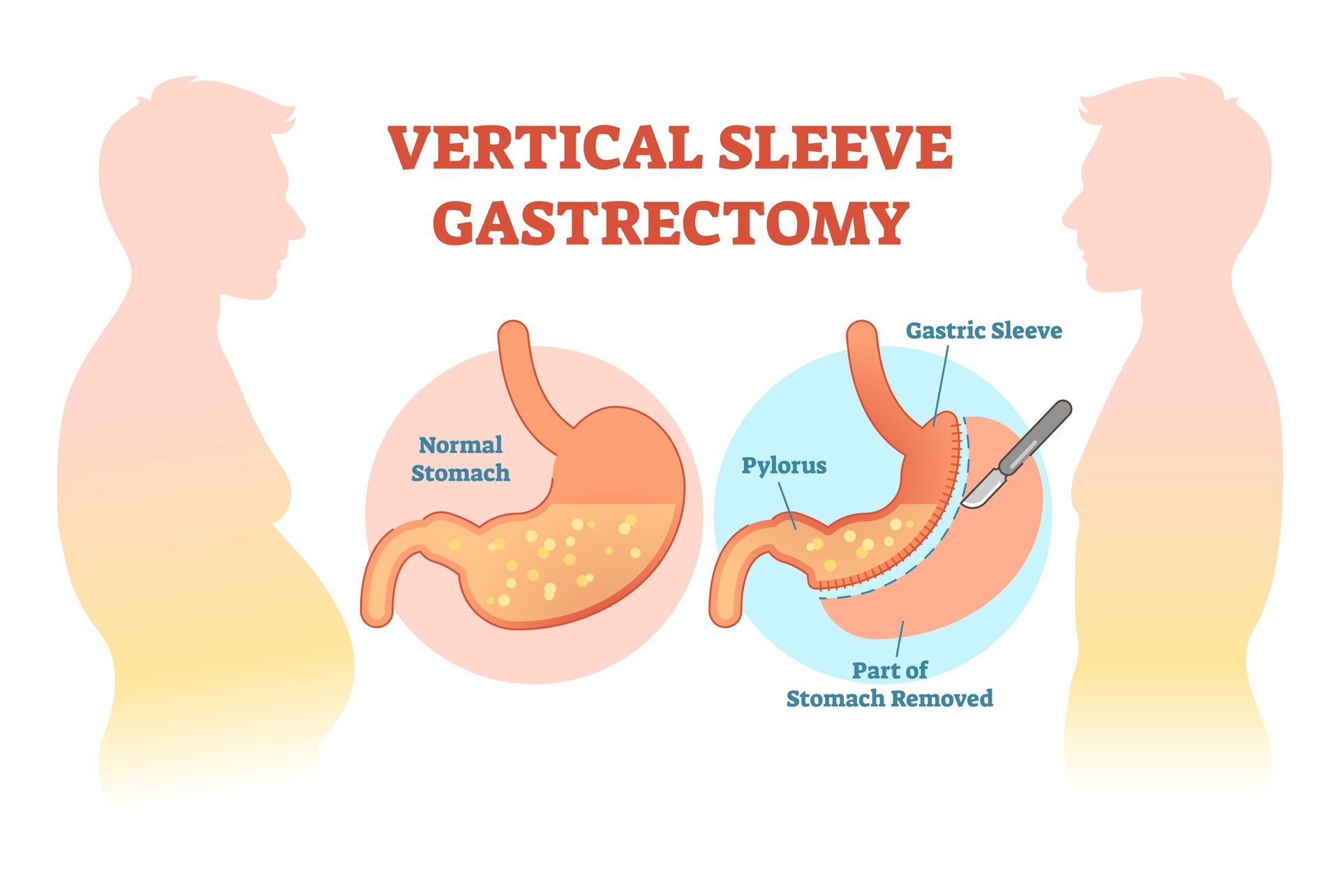
Around 45 million Americans diet every year, according to research from the Boston Medical Center. Still, some people struggle to shed the pounds. As a result, more drastic weight loss procedures, such as gastric sleeve surgery, have become attractive. This surgery reduces part of your stomach, so you feel fuller after consuming food. The result? You eat less and lose more weight.

What Is Gastric Sleeve Surgery?

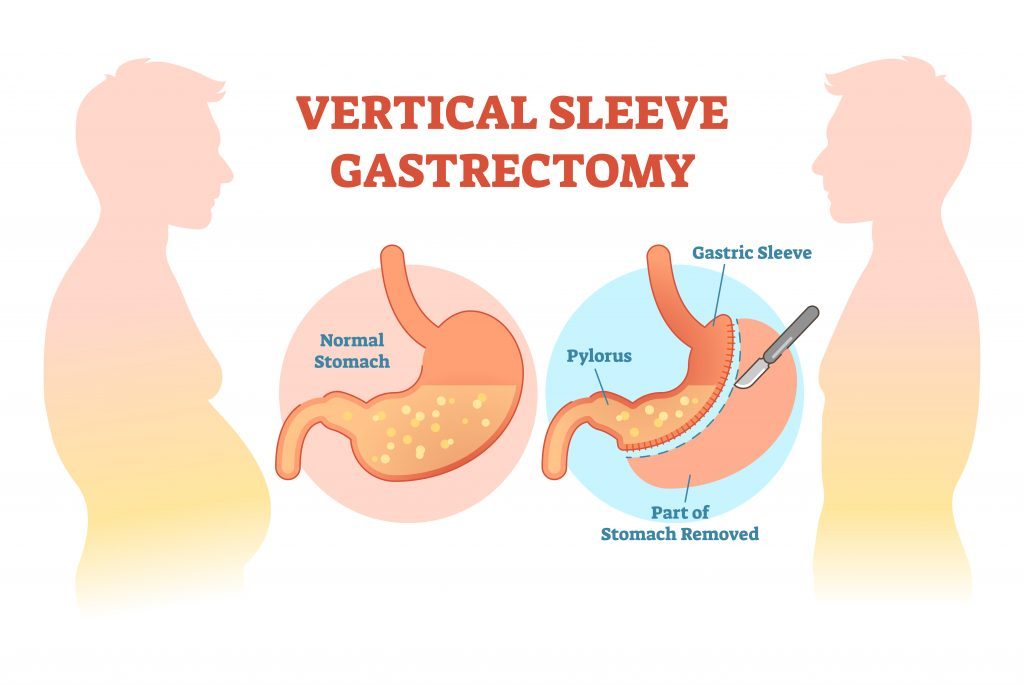
Gastric sleeve surgery removes around 80 percent of your stomach and leaves behind a vertical tube — called a “sleeve” — that is around the size of a banana. After this operation, you will notice that you feel much fuller than you normally would after consuming food. Therefore, you will need to select small portion sizes at meal times.

Gastric sleeve surgery produces rapid weight loss, according to the American Society for Metabolic and Bariatric Surgery. One study suggests that people can lose more than 50 percent of their total body weight in a three- to five-year period. Moreover, weight loss is comparable to that of a gastric bypass — another bariatric surgical procedure.

Here’s the science behind gastric sleeve surgery: this procedure causes positive changes in your body’s gut hormones. Consequently, it reduces appetite, increases satiety and suppresses hunger. The surgery itself is relatively simple — it takes between 60 and 90 minutes.

What Are the Other Benefits of Gastric Sleeve Surgery?

Research shows that gastric sleeve surgery is beneficial for specific health conditions, including type 2 diabetes. Diabetes remission rates post-surgery are more than 60 percent and, as shown in some studies, are similar to the results experienced after gastric bypass procedures. Other research suggests that gastric sleeve surgery reduces the risk of certain types of cancer, overcomes depression, and improves sleep apnea.

Gastric sleeve surgery is an option for adults who struggle to lose weight using conventional methods. This procedure might also benefit people who have type 2 diabetes and other health conditions.

Birmingham Minimally Invasive Surgery (BMI) specializes in gastric sleeve surgery. Do you qualify for this procedure? Contact us here to find out more.

Weight Loss Surgery Insurance Requirements. Are You a Good Candidate?

If you are considering weight loss surgery, it is important to understand your insurance requirements. Most insurance companies will cover weight loss surgery if you meet certain criteria. The most common criteria include:

BMI Common Criteria:

  • A BMI of 40 or greater, or a BMI of 35 or greater with a co-morbid condition such as high blood pressure, cardiovascular disease, diabetes, or sleep apnea.
  • Documentation of participation in a medically supervised weight loss program for at least 3-6 months.
  • A letter from your primary care physician recommending surgery.
  • A consult and recommendation for a surgeon from a bariatric surgeon.
  • Non-smoking for at least 8 weeks prior to surgery.

Some insurance companies may have additional requirements, such as a longer medically supervised weight loss program or a psychological evaluation. It is important to check with your insurance company to see what their specific requirements are.

Private Pay:

If you are not able to get your weight loss surgery covered by insurance, you may be able to pay for it out of pocket. This is known as private pay. Private pay patients may not have to meet the same criteria as insurance patients. For example, they may not have to have a co-morbid condition or participate in a medically supervised weight loss program.

How to Get Started:

If you are interested in weight loss surgery, the first step is to talk to your primary care physician. They can help you determine if you meet the criteria for surgery and can refer you to a bariatric surgeon for a consultation.

The bariatric surgeon will evaluate your medical history and perform a physical exam. They will also discuss your goals for surgery and the risks and benefits of the different types of weight loss surgery.

If you decide to proceed with surgery, your bariatric surgeon will work with you to get your insurance approved. They will also provide you with pre-surgical instructions and support.

Weight loss surgery can be a life-changing experience. It can help you lose weight, improve your health, and boost your self-confidence. If you are considering weight loss surgery, it is important to do your research and understand your insurance requirements.