Category: Gastric Bypass

Gastric Sleeve vs. Gastric Bypass – Which is Right for You?

A woman with brown hair in a pink shirt sitting next to a female doctor with dark hair in a white coat holding a piece of paper with a green plant behind them.

A woman with brown hair in a pink shirt sitting next to a female doctor with dark hair in a white coat holding a piece of paper with a green plant behind them.

Getting bariatric surgery for weight loss is a major decision that could be potentially life-altering. However, it has become increasingly popular, with an estimated 250,000 procedures performed each year in the United States alone. Despite its popularity, deciding on weight loss surgery can prompt many questions.

With so many options available, you may not know which is right for you. Fortunately, the team at Birmingham Minimally Invasive Surgery is here to discuss the pros and cons of two popular bariatric procedures: gastric sleeves and gastric bypass surgery. We perform these procedures, along with others, at our Birmingham center. 

Gastric Sleeves vs. Gastric Bypass Surgery

Two commonly performed bariatric procedures are gastric bypass surgery and gastric sleeves. While both are effective for weight loss, each has its advantages and disadvantages, depending on the patient’s needs and desired outcomes. Your surgeon can discuss these with you further during your initial consultation. 

What Is a Gastric Sleeve?

A gastric sleeve, or sleeve gastrectomy, is a procedure that changes the size and structure of your stomach. Since the stomach is smaller after the procedure, the number of calories you can consume from food is limited, helping you reach your weight loss goals. Performed laparoscopically, it requires minimal downtime. 

The ideal candidate for this procedure has a body mass index (BMI) greater than or equal to 40 and has been unable to lose weight through diet and exercise. Patients who have BMIs between 30 and 40, along with other medical problems such as diabetes, sleep apnea, heart disease, or high blood pressure, will also be considered. 

While most patients respond well to this procedure, it does come with some potential complications. Like with any bariatric surgery, you must follow a special diet afterward. The stomach may stretch over time, leading to weight regain. In this case, revisional weight loss surgery may be a possibility to obtain the desired result. 

What Is a Gastric Bypass?

Having been performed since 1967, the gastric bypass is one of the first bariatric surgeries to become available in the United States. It is one of the most effective for achieving and maintaining long-term weight loss. Patients tend to lose a significant amount of weight rapidly in the first six months and then slow down in their weight loss for the next six months.

After gastric bypass surgery, patients will stay in the hospital overnight. The procedure is performed laparoscopically, like a sleeve gastrectomy. However, the procedure is more complicated than sleeve gastrectomy, secondary to disconnecting and reconnecting the intestines. It combines restriction and malabsorption by creating a stomach pouch that only holds around two ounces, with a 150 cm limb of the small intestine bypassed by attaching it to the pouch.

Before and after the procedure, patients must follow a special diet, including nutritional supplements, to maximize results. However, it is considered the ideal procedure for individuals with diabetes, high blood pressure, sleep apnea, and other health concerns, as it can be reversed if medically necessary. 

Find the Right Bariatric Procedure for You at BMI

Each patient’s situation is different and requires a customized approach to weight loss. That’s why Birmingham Minimally Invasive Surgery offers a variety of options to help our patients lose weight, including gastric sleeves and gastric bypass surgery. To get started on your weight loss journey with bariatric surgery, contact us at (205) 858-1211. Our experienced surgeons will discuss your options with you to find the best one for your needs and desired outcome. 

Achieve Stigma-Free Weight Loss at BMI

No matter which bariatric procedure you choose, the team at Birmingham Minimally Invasive Surgery can provide the support you need to be successful in your weight loss journey. If you have specific concerns or questions about our weight loss procedures, including gastric sleeves and gastric bypass surgery, contact us for personalized support at (205) 858-1211.


Sleeve-tober: Limited-Time Offer for Discounted Weight Loss Surgery

gastric sleeve weight loss surgery

gastric sleeve weight loss surgery

Are you ready to transform your life and take a decisive step towards achieving your weight loss goals? This October, seize the opportunity you’ve been waiting for with Sleevetober – a remarkable weight loss surgery promotion brought to you by BMI Surgery.

Don’t let the chance to invest in yourself and experience real, life-changing results pass you by. Throughout this special extended for October, our renowned board-certified surgeon, Dr. Long, and his exceptional team will guide you on a three-day journey to a healthier you.

Discover all the vital details of this exclusive offer, including the who, what, when, where, and how you can embark on this transformative path to a new you. Don’t miss this limited-time opportunity in Sleevetober to finally realize your weight loss dreams!


How Much Does Weight Loss Surgery Cost?

Discover an extraordinary opportunity this October for weight loss surgery at just $7,999, a significant discount from the typical $15,000 price. This all-inclusive rate covers facility, surgeon, and anesthesiologist fees, along with your initial postoperative visit.

Follow-up visits are available at $125 each to ensure optimal results. Additional tests like lab work, EKGs, or chest X-rays are not included but are generally unnecessary. Be informed in advance if any extra testing is required. Unfortunately, we can’t reimburse the price difference if you’ve previously paid for the surgery without enrolling in the Weight Loss Priority Pass program. Don’t miss this unique chance for a life-changing transformation!

Experience the BMI Priority Pass This October

Located in Birmingham, AL, BMI Surgery offers Priority Pass, an accelerated weight loss surgery process. You can undergo preoperative testing and surgery in just two days, returning home on day three. If you live more than two hours away, you may want to recover locally for a day before traveling, but luckily, many hotels offer a discount for our patients.

Who: Body Mass Index Below 60

If your body mass index (BMI) is below 60, you may qualify for this promotion! While we can’t guarantee everyone will be a candidate for this procedure, you will most likely be a suitable candidate if you’re in good health with no previous weight loss surgeries. We require medical clearance from your primary care doctor for surgery and cardiology clearance if you have a history of cardiac issues. Similarly, if you have a history of lung disease, we’ll need approval from your pulmonologist. We’ll provide the forms…you just need to send them!

Please note that if we haven’t received clearance from your care team within seven days before surgery, your operation will be canceled, and the cancellation fee will be applied.

When: October

To get this exceptional pricing, your surgery must be performed in October 2023, a.k.a. Sleevetober. There’s limited availability, so if you’re interested, don’t hesitate to contact a friendly member of our team for more information.

You’ll need to begin a preoperative liquid diet, so consider this when selecting your surgery date. The duration of this diet depends on your BMI, and a staff member will cover this and other ways to prepare before your surgery.

Where: Outpatient Services East

All procedures are performed on an outpatient basis at Outpatient Services East. We’ve been performing outpatient weight loss surgery in this outstanding facility for more than ten years.

This facility is also connected to St. Vincent’s East, a full-service hospital facility. If you’re anxious before your procedure, knowing you’re a stone’s throw away from the nearest hospital often offers peace of mind.

What: More Details

Preparation is key, especially when it comes to weight loss surgery. To begin, paperwork will be emailed to you as soon as your appointment is booked and will need to be completed within 24 hours of booking. If not, your appointment may be canceled. Additionally, if you’re taking any blood thinning medication, you’ll need to come off this medication as soon as possible. Be sure to consult with your primary care doctor before removing blood thinners from your daily routine.

It’s important to note that there’s a $500 cancellation fee if the procedure is canceled or rescheduled within ten days of surgery. However, in the rare case that the anesthesiologist reviews your history and decides you aren’t a candidate for surgery at the Outpatient center, you can cancel the procedure without a penalty or schedule the procedure for same-day in the hospital (at a higher cost than the Sleevetober price).

The Time is Now: Invest in Yourself with BMI Surgery

Now is the perfect moment to embark on a journey of self-transformation. With weight loss surgery, you can enhance not only your self-assurance but also alleviate weight-related health issues such as high blood pressure, sleep apnea, arthritis, and more.

A brighter, healthier life awaits you. Will you take the first step?

Want to Take Advantage of Sleevetober? Call Us Today!

Proudly serving Birmingham, AL, and surrounding areas, BMI Surgery offers fast, effective, and safe weight loss surgeries, including gastric sleeve, gastric bypass, and more. For more information about Sleevetober, call us at (205) 833-6907 or contact us online today!

Sleevetember: Discounted Gastric Sleeve Weight Loss Surgery

Woman in gray sweatpants illustrating how much weight she lost on a pink background.

Woman in gray sweatpants illustrating how much weight she lost on a pink background.If you’ve been considering weight loss surgery but haven’t made the leap to invest in yourself with a weight loss method that REALLY works, Sleevetember may be your long-awaited solution! This September, BMI Surgery offers bariatric surgery at a discounted rate so you can finally achieve your weight loss goals.

In just three days, you can achieve jaw-dropping results with the help of our board-certified surgeon, Dr. Long, and his exceptional team. Learn everything you need to know about this promotion, including the who, what, when, where, and how you can take advantage of this offer.

How Much Does Weight Loss Surgery Cost?

Typically, weight loss surgery can cost upwards of $15,000, but with our September special, you can undergo a complete transformation at a discounted price—$7,999! This cost covers the facility, surgeon, and anesthesiologist fees, plus the first postoperative visit 10 to 14 days after surgery. It’s important to note that subsequent follow-up visits aren’t included in this discounted rate, costing $125 per visit. However, they are well worth it to maintain your results!

Lab work, EKGs, or chest X-rays aren’t included in this price, but fortunately, most patients don’t require these tests. We will let you know ahead of time (if possible) if you need extra testing. If you previously paid for the surgery and didn’t participate in Priority Pass (discussed below), we unfortunately cannot reimburse the difference.

Priority Pass This September

Located in Birmingham, AL, BMI Surgery offers Priority Pass, an accelerated weight loss surgery process. You can undergo preoperative testing and surgery in just two days, returning home on day three. If you live more than two hours away, you may want to recover locally for a day before traveling, but luckily, many hotels offer a discount for our patients.

Who: Body Mass Index Below 60

If your body mass index (BMI) is below 60, you may qualify for this promotion! While we can’t guarantee everyone will be a candidate for this procedure, you will most likely be a suitable candidate if you’re in good health with no previous weight loss surgeries. We require medical clearance from your primary care doctor for surgery and cardiology clearance if you have a history of cardiac issues. Similarly, if you have a history of lung disease, we’ll need approval from your pulmonologist. We’ll provide the forms…you just need to send them!

Please note that if we haven’t received clearance from your care team within seven days before surgery, your operation will be canceled, and the cancellation fee will be applied.

When: September

To get this exceptional pricing, your surgery must be performed in September 2023, a.k.a. Sleevetember. There’s limited availability, so if you’re interested, don’t hesitate to contact a friendly member of our team for more information.

You’ll need to begin a preoperative liquid diet, so consider this when selecting your surgery date. The duration of this diet depends on your BMI, and a staff member will cover this and other ways to prepare before your surgery.

Where: Outpatient Services East

All procedures are performed on an outpatient basis at Outpatient Services East. We’ve been performing outpatient weight loss surgery in this outstanding facility for more than ten years.

This facility is also connected to St. Vincent’s East, a full-service hospital facility. If you’re anxious before your procedure, knowing you’re a stone’s throw away from the nearest hospital often offers peace of mind.

What: More Details

Preparation is key, especially when it comes to weight loss surgery. To begin, paperwork will be emailed to you as soon as your appointment is booked and will need to be completed within 24 hours of booking. If not, your appointment may be canceled. Additionally, if you’re taking any blood thinning medication, you’ll need to come off this medication as soon as possible. Be sure to consult with your primary care doctor before removing blood thinners from your daily routine.

It’s important to note that there’s a $500 cancellation fee if the procedure is canceled or rescheduled within ten days of surgery. However, in the rare case that the anesthesiologist reviews your history and decides you aren’t a candidate for surgery at the Outpatient center, you can cancel the procedure without a penalty or schedule the procedure for same-day in the hospital (at a higher cost than the Sleevetember price).

Invest in Yourself (At a Discounted Rate) with BMI Surgery

There’s no better time than the present to change your life for the better. With weight loss surgery, you not only feel more confident but also improve any weight-related health conditions like high blood pressure, sleep apnea, arthritis, and more.

Your new life is calling! Are you going to answer?

Want to Take Advantage of Sleevetember? Call Us Today!

Proudly serving Birmingham, AL, and surrounding areas, BMI Surgery offers fast, effective, and safe weight loss surgeries, including gastric sleeve, gastric bypass, and more. For more information about Sleevetember, call us at (205) 833-6907 or contact us online today!

Is Gastric Sleeve Permanent? Weight Loss Surgery Maintenance

Woman looking sideways while drinking fruit detox juice in the kitchen at home.

Woman looking sideways while drinking fruit detox juice in the kitchen at home.

Slow and steady wins the race. You may have heard this adage before and brushed it off as a funny saying, but it couldn’t be more true for weight loss. If you’ve tried losing weight with no success, you already know how hard it can be. Many weight loss gimmicks, like fad diets and juice cleanses, boast a drastic drop in weight, only for participants to put it back on right after the program ends.

Fortunately, weight loss surgery is an effective and safe method for lasting weight loss success. However, for the results to last, you must make steady, consistently healthy choices after surgery. Learn more about the importance of maintenance after gastric sleeve surgery from the experts at BMI Surgery.

Is Gastric Sleeve Permanent?

During gastric sleeve surgery, your surgeon removes up to two-thirds of your stomach, reducing your overall stomach capacity and calorie intake. The part of the stomach removed produces the hunger hormone called ghrelin, so many patients find they’re much less hungry after surgery too. Compared to other weight loss surgeries like LAP-BAND, gastric sleeve is permanent and cannot be reversed.

Importance of Maintenance

Patients with proper aftercare lose up to 70% of excess weight throughout the first one to two years. Not only is maintenance essential to steady weight loss but also for your health. Since your stomach will be much smaller than it once was, supplementation is vital for your nutrition. Let’s look deeper at diet, medication, exercise, and other lifestyle changes you can expect to adopt to live a healthier, happier life.

Diet

Before surgery, you and your weight loss team will discuss your diet, usually a liquid diet, for the first few weeks. However, once cleared by your surgeon, protein intake is essential to promote continued weight loss. We recommend 60 to 80 grams of protein daily, but it may be more or less depending on your individual needs.

Check out this blog for more information about preparing for your postoperative diet.

Supplements

You can expect to take a multivitamin and calcium supplement daily to prevent nutritional deficiencies. A multivitamin is an easy, hassle-free way to ensure you’re meeting your nutritional needs every day.

Calcium supports bone health, and as your body changes from surgery (and weight loss), a supplement ensures your body stays strong. You may take other supplements like Vitamin D3 or B12, but your doctor will go over your supplements in-depth with you before surgery.

Exercise

Exercise after bariatric surgery strengthens your bones and joints, promotes heart and lung health, boosts your metabolic rate, and much more. Right after surgery, you’ll get up and moving, and your surgeon will discuss a routine for the weeks following recovery. In the interest of maximizing long-term results, and per CDC recommendations, we advise 150 minutes of intense physical activity coupled with two days of muscle-strengthening training per week.

Support

After weight loss surgery, and every day for that matter, you should be proud of yourself! Even if some days are more challenging than others, you can rest assured you’re showing up for yourself. We offer support groups at BMI Surgery for those who’ve undergone weight loss surgery. Sharing triumphs and tribulations with like-minded peers can support your emotional well-being amidst drastic physical changes.

Discover a Life-Long Weight Loss Transformation

At BMI Surgery, we’re not offering a quick fix but a complete transformation that’ll last a lifetime. With years of experience, you can count on our team for comprehensive, effective, and personalized weight-loss solutions. And it doesn’t stop there. From nutritional counseling and support groups to follow-up appointments, Dr. Long and his team are with you every step of the way.

Interested in Learning More About Gastric Sleeve Surgery? Call Today!

Proudly serving Birmingham, AL, BMI Surgery is your ultimate destination for permanent weight loss. Our board-certified weight loss surgeon, Dr. Long, is experienced, knowledgeable, and compassionate, creating personalized weight loss plans for each patient. Call us at (205) 833-6907 or schedule your consultation online to learn more about priority pass gastric sleeve surgery!

Laparoscopic Gastric Bypass 101: Answering Your Top 5 Questions

Woman measuring her jeans and stretching out her hand to illustrate noticing her weight loss.

Laparoscopic Gastric Bypass

It’s estimated that nearly 262,892 people underwent weight loss surgery in 2021, and numbers are predicted to keep rising. While weight loss surgery may seem like the latest and greatest technique to lose weight, it dates back to 1954 when Dr. A.J. Kremen and his team performed the first form of bariatric surgery—-gastric bypass surgery.

After making a few adjustments in 1967 and later in the 1990s, gastric bypass has stood the test of time. Because of this, gastric bypass is a tried and true method for those wanting to lose a significant amount of weight.

Laparoscopic Gastric Bypass 101

If you’ve been considering weight loss surgery but weren’t sure if it’s just a fad, look no further than gastric bypass! The experts at BMI Surgery are taking an in-depth look at gastric bypass surgery and if it’s right for you.

What Is Laparoscopic Gastric Bypass?

Gastric bypass, also called the Roux-en-Y procedure, is performed laparoscopically through small, precise incisions. During a laparoscopic operation, the surgeon will insert a tiny camera and surgical instruments into the incisions. With these minimally invasive techniques, many patients experience fewer complications, less hospital time, and a quicker recovery.

How Does Laparoscopic Gastric Bypass Work?

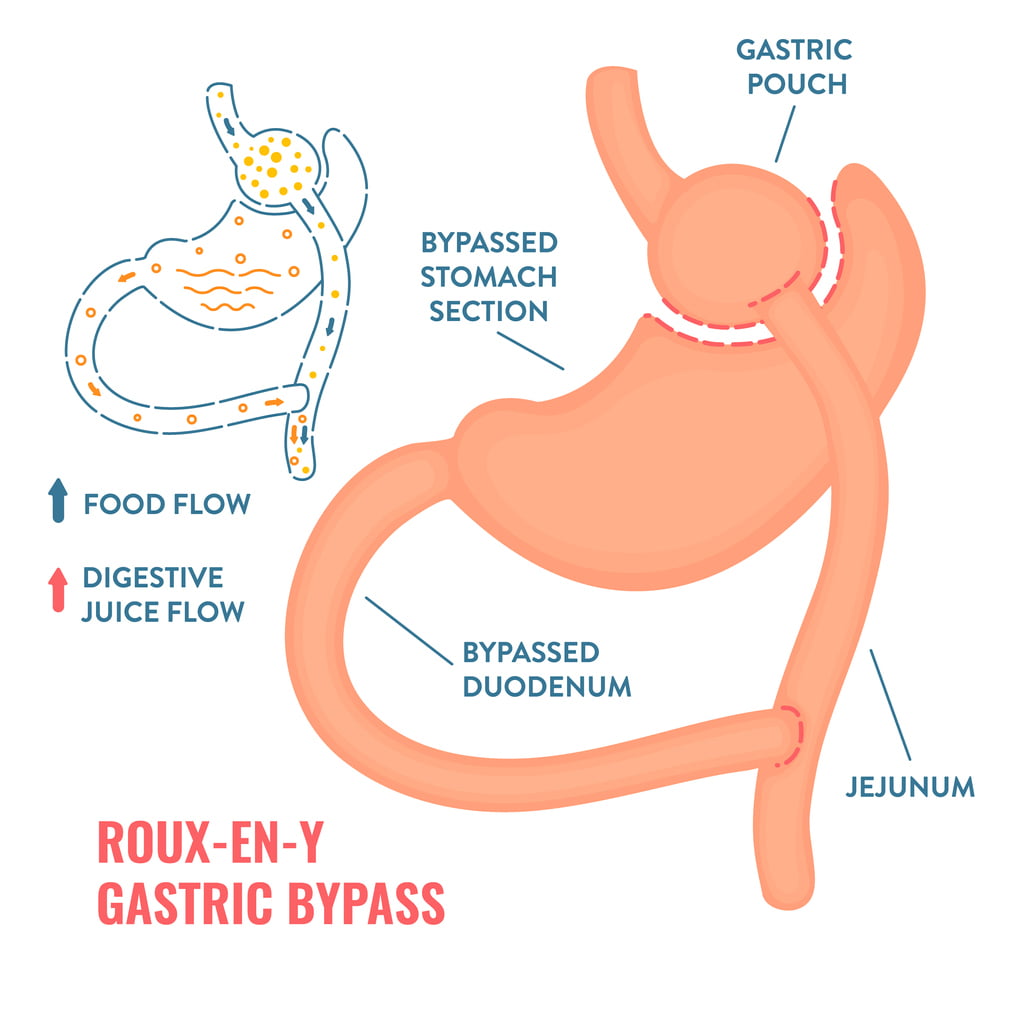
As you may have guessed, Roux-en-Y is a French term, which means in the shape of a Y. Gastric bypass works by dividing the stomach and the small intestine and then joining the segment together to create a Y shape.

Gastric bypass combines two techniques for weight loss: restriction and malabsorption. First, your surgeon will section off your stomach, which forms a small pouch. This pouch is your new and improved stomach and is smaller than the original size, so it restricts the amount of food it can hold. Then, the pouch is joined to a lower segment of the small intestine, which decreases the absorption of calories from your food. What’s more, is that this procedure usually only takes one and a half to two hours.

If you’re more of a visual learner, check out the illustration below. You can see where food and digestive juices flow and look closer at the renowned Y shape.

gastric bypass illustration

What Is Recovery Like After Laparoscopic Gastric Bypass?

On average, 60-80% of excess body weight is lost two years following gastric bypass. Gastric bypass is highly effective for weight loss, but supporting your weight loss during recovery and beyond is essential.

After laparoscopic gastric bypass, you’ll most likely eat a few bites of food and feel full, which leads to significant and quick weight loss. Since your body isn’t absorbing all the nutrients in the small intestine, following your doctor’s instructions about supplementing your diet with oral vitamins and minerals is important.

Beyond that, you’ll recover as you would from any other surgery—slow and steady. We recommend following a healthy diet and beginning light exercise as soon as you feel up to it. Check out this blog for more information about preparation and recovery for laparoscopic gastric bypass.

What Is the Difference Between Gastric Sleeve and Laparoscopic Gastric Bypass?

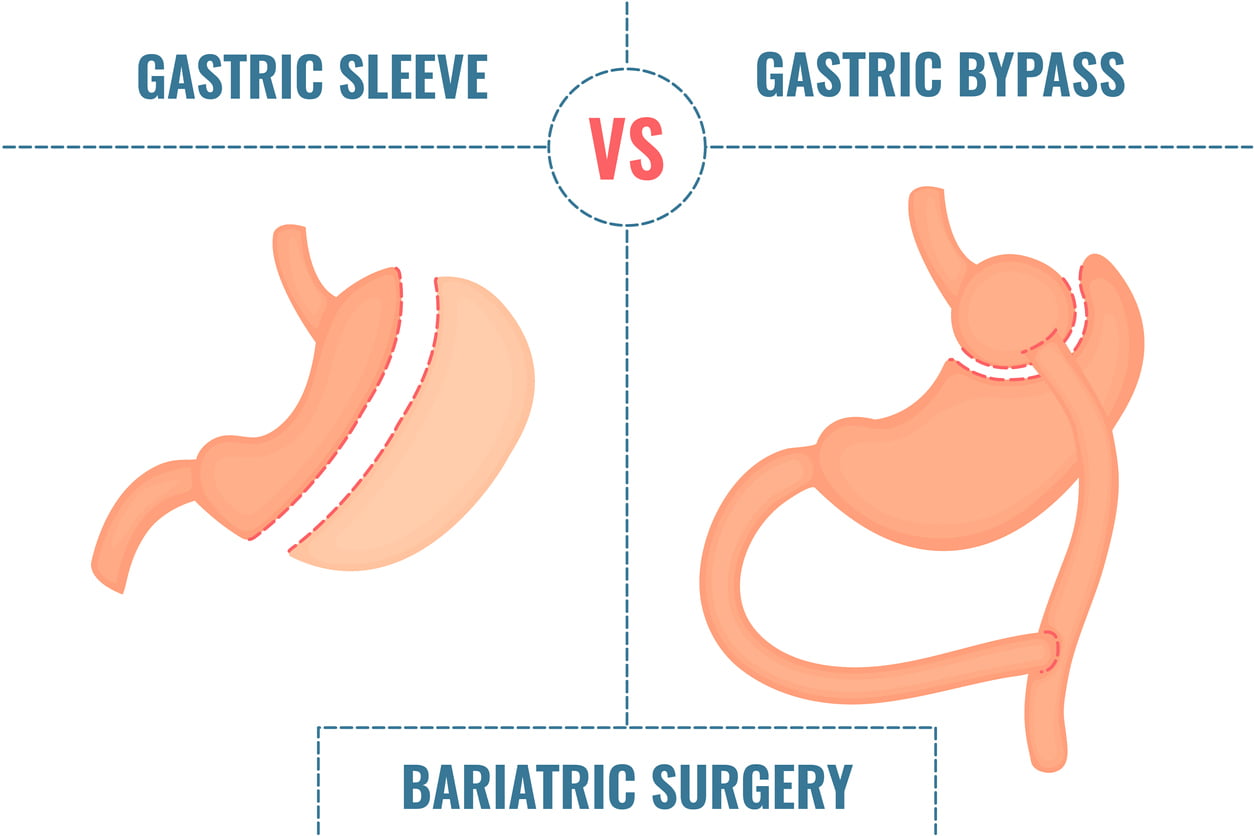
Great question! Gastric sleeve is another popular weight loss surgery and removes about 80% of the stomach to restrict calorie intake. The gastric sleeve isn’t malabsorptive like laparoscopic gastric bypass and doesn’t involve the small intestine. In the image below, you can see a side-by-side comparison of these two weight loss surgeries.

Gastric sleeve vs gastric bypass bariatric surgery weight loss infographics

Both techniques are proven effective for weight loss, and which you choose depends on your personal needs. For example, gastric bypass may be better for those who suffer from acid reflux. On the other hand, gastric sleeve may be better suited for patients with high-risk medical conditions since it typically takes less time under anesthesia.

Luckily, you don’t have to decide which is right for you! Of course, you’ll always have the final say, but your surgeon can recommend which weight loss surgery suits your needs and will provide you with the results you desire.

Who Is a Candidate for Laparoscopic Gastric Bypass?

If you’re interested in weight loss surgery, you’ll undergo a complete evaluation and consultation with your weight loss surgeon to ensure your safety.

However, there are a few general requirements for bariatric surgery, including

  • BMI (Body Mass Index) of 40 or more
  • BMI (Body Mass Index) of 30 or more with weight-induced medical conditions (hypertension, diabetes, etc.)
  • Documented attempts of diet and exercise for weight loss
  • No indication of alcoholism or drug use

If you’re curious about your Body Mass Index, check out our BMI calculator. It’s quick, easy to use, and can estimate your BMI in seconds. It’s important to note that this number isn’t a fool-proof method, and you should always consult your doctor about wanting weight loss surgery.

Lose Weight with Laparoscopic Gastric Bypass

If you’ve been trying to lose weight to no avail, gastric bypass may be your long-awaited solution! With years of refining, bariatric surgery is a proven method to help you achieve your dream body—whether you choose gastric sleeve or laparoscopic gastric bypass.

If you’re interested in becoming the best version of yourself, learn more about weight loss at BMI Surgery! With years of experience, we’re dedicated to helping you find a weight loss solution that’s right for you.

Interested in Learning More About Weight Loss Surgery? Call Us!

Proudly serving Birmingham, AL, and beyond, BMI Surgery offers effective, affordable weight loss surgeries. If you’d like to learn more about weight loss surgery, don’t hesitate to contact our team of experts. Call us at (205) 833-6907 or contact us online today!

How To Lose Weight: Set Small Goals for Weight Loss

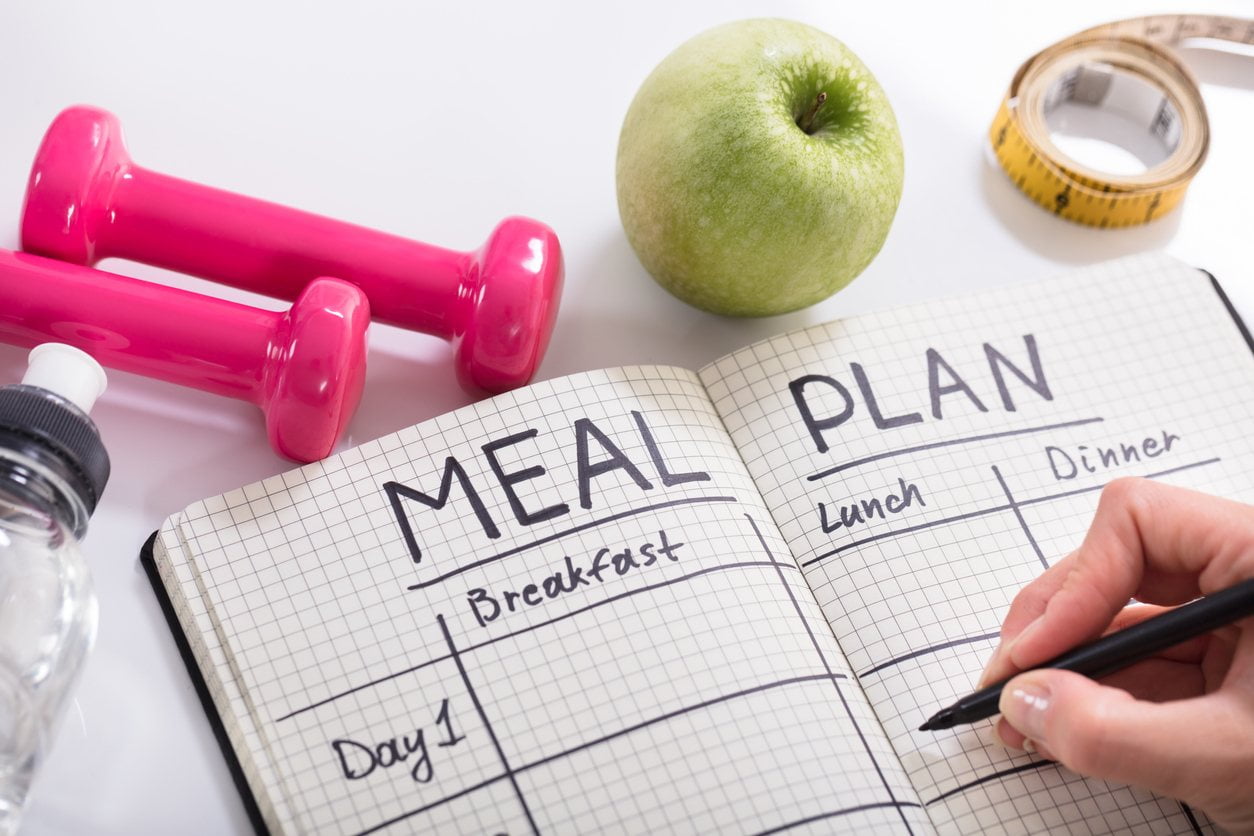
A woman filling out a meal plan on a wooden desk near a green apple and pink hand weights.

A woman filling out a meal plan on a wooden desk near a green apple and pink hand weights.

During the holiday season, festive parties, work events, and socializing with family fill our calendars. Many of these celebrations are filled with tasty treats and delicious cocktails, causing many of us to overindulge and feel discouraged about our weight loss goals. Instead of feeling frustrated and trying to make monumental lifestyle changes the following day, we recommend incorporating small changes that are manageable and motivating.

Small goals may feel useless, but they can make a big difference. Small wins over a period of time can amount to one giant success. As you consider weight loss, take a look at some manageable goals that you can practice throughout the week from the experts at BMI Surgery.

1. Drink More Water

We all know water is great for our health, but you may not know that it’s excellent for weight loss too. Water can lessen appetite, boost metabolism, and enhance workouts. Your stomach becomes fuller as you drink more water, creating less room for food. The body also expends energy to raise body temperature in reaction to cool water, called thermogenesis, which promotes a faster metabolism.

The recommended amount of water is about 64 ounces per day. We advise drinking water throughout the day, especially before and after exercise. As you sweat, your body’s overall water content is lost and must be replenished. Keep track of how many glasses you’ve drunk throughout the day and mark your overall progress. If you intentionally drink a few more ounces of water than usual, you’ll be on the way to your next weight-loss goal in no time!

2. Take Quick Exercise Breaks

Multiple quick exercise breaks throughout the day can keep you motivated and promote weight loss. To lose weight, you must burn more calories than you consume. When this happens, your body is in a caloric deficit and burns stored fat for energy. As you burn stored fat, you lose weight.

Exercise can burn extra calories to help you into a calorie deficit. And exercise doesn’t necessarily have to be long hours in the gym—instead, it can be frequent moments of movement throughout the day. For example, calf raises while washing the dishes, taking the stairs instead of the elevator, and taking a quick walk around the block can all be accomplished in 10 minutes or less. As you become more comfortable with the exercise, you can up the amount of time you’re exercising for further weight loss.

3. Fill Half Your Plate with Veggies

Like exercise and water intake, vegetables can aid in your journey to shed some pounds. Most vegetables are low in calories but high in water content, making them the perfect food to include in your meals for weight loss. Vegetables can fill you up, and you can eat lots of vegetables guilt-free.

As you prepare your meal, aim to fill half your plate with vegetables for a healthy, satisfying meal. We recommend broccoli, carrots, spinach, cauliflower, cabbage, and zucchini—but you can’t go wrong with any vegetable. While vegetables can get a bad reputation for lacking flavor, dress up your favorite veggies with seasonings or low-calorie sauces.

4. Eat Meals Slowly

The hormones released by the human body control almost every process—from sleep to emotions. Before you consume a meal, a hormone called ghrelin is released. This hormone is a signal to alert your body of hunger. After we eat, it can take our brains some time to catch up that we’re full as ghrelin levels may not have decreased yet.

If you eat meals more slowly, your brain has time to catch up that you’re eating a filling meal. Slower eating can aid in a calorie deficit since you may feel fuller quicker. We recommend chewing your food about 15 to 20 times to help slow down your eating.

5. Track Your Progress

As you embark on your weight loss journey, tracking your progress is crucial for success. These progress goals can be anything from how many pounds you want to lose to how much exercise you aim for throughout the week or how many vegetables you want to consume. Whatever you choose, write it down and track your progress.

Once you reach your goals, you can celebrate! Planning out small gifts for each goal reached can keep you motivated, excited, and optimistic about your weight loss. Small celebrations can include a little retail therapy, a healthy takeout meal, or anything else that is a treat for you but doesn’t sacrifice your upcoming goals.

Small Goals Lead to Big Changes

This holiday season, say goodbye to juice cleanses, extreme workouts, and other diet fads, and hello to sustainable, healthy weight loss. While it can be tempting to rearrange your lifestyle the morning after too many sweets, you’re more likely to stick with your healthy alternatives if you adjust your habits slowly.

We can help you on your weight loss journey at Birmingham Minimally Invasive Surgery. Our team provides quality care, expert advice, and innovative solutions so that you can achieve your dream physique. Learn more about setting goals and losing weight from the experts at BMI Surgery!

Begin Your Weight Loss Journey at BMI Surgery

Our team at BMI Surgery can help you with quality care and expert advice to help you achieve your results! Dr. Long and his team specialize in all types of bariatric surgery, including gastric sleeve surgery, gastric bypass, and the LAP-BAND. Call (205) 850-1973 or contact us online to transform your body today!

A Guide to Sugar Intake After Weight Loss Surgery

Sugar cubes spilled from the overturned glass sugar bowl and wrapped by tape measure

Sugar cubes spilled from the overturned glass sugar bowl and wrapped by tape measure

During the holidays, it can feel like sugary foods are around every corner. From festive cookies to hot chocolate to decadent cakes, many folks celebrate the most wonderful time of the year with sugary indulgences. And while many of us know the dangers of consuming too much sugar, it’s especially important for those who have undergone weight loss surgery.

After your weight loss surgery journey, we understand you want to maintain your results while feeling your best. Unfortunately, eating too much sugar can cause cramps, bloating, and lightheadedness right after your meal and in the following hours. Learn more about sugar intake after weight loss surgery, and how it can impact your results.

What Happens If I Consume Too Much Sugar?

If you consume too much sugar after bariatric surgery, you may experience an unpleasant condition known as dumping syndrome. Also called rapid gastric emptying, dumping syndrome can happen after eating various foods, but is especially common after consuming foods high in added sugar. There are two types of dumping syndrome—early and late.

In early dumping syndrome, as food enters the small intestine, the sugar draws water from the intestinal tissue and surrounding vessels. This lack of water leads to light-headedness, cramping, nausea, bloating, vomiting, diarrhea, dizziness, and an irregular heart rate.

On the other hand, late dumping syndrome occurs one to three hours after eating and can cause different symptoms, such as sweating, skin flushing, dizziness, weakness, and rapid heart rate. The pancreas releases insulin to absorb the excessive sugar, leading to low blood sugar and the associated symptoms.

What Is Added Sugar?

Added sugar is sugar added during food processing, like sucrose or dextrose. These sugars aren’t naturally occurring, like the sugar in apples, milk, or vegetables, but are manufactured to add sweetness. Some common names of added sugar include corn syrup, honey, lactose, maple syrup, molasses, and agave.

How Can I Reduce Added Sugar in My Diet?

If you’ve had weight loss surgery, we recommend no more than 2.5 teaspoons of sugar per meal. If you stick to natural, whole foods, staying under this limit will be a breeze. Some common foods to avoid include ice cream, pastries, cakes, sugar-sweetened beverages, and other desserts.

It’s important to note that added sugars can be sneaky and can be found in many sauces and salty foods, like ketchup, low-fat yogurt, and cereal. Other sweeteners like honey, syrups, and table sugar should also be limited.

Try eating small meals throughout the day. Smaller meals can slow down digestion, making it easier to stop eating once you feel full. Similarly, adding foods high in fiber and protein, like meat, nuts, and cottage cheese, can keep you fuller for longer while slowing down gastric emptying. We advise against drinking lots of water during your meal, as it can increase stomach volume and lead to hurried digestion.

Achieve Your Dream Body & Maintain It

Enjoy whole, natural foods this holiday season and feel confident in your weight loss! With these tips for reducing sugar intake, you can avoid dumping syndrome and all the uncomfortable symptoms that come with it. If you want to learn more about weight loss surgery or have questions about your diet, don’t hesitate to contact the professionals at BMI Surgery for quality, knowledgeable advice. If you’re intentional about your diet after weight loss surgery, you can maintain your dream body for years to come!

Interested in Learning More About Weight Loss Surgery?

Maintain your weight loss this holiday season with Birmingham Minimally Invasive Surgery. Dr. Long and his team specialize in all types of bariatric surgery, including gastric sleeve surgery, gastric bypass, and the LAP-BAND. Contact us online or call us to set up a consultation at 205-850-1973.

Top 5 Ways to Stay Healthy at Work: Holiday Edition

Group business colleagues having fun at a Christmas party in the office wearing Santa hats.

Stay Healthy at Work

As the year draws closer, holiday parties are in full swing. While this can often be an exciting and exceptionally cheerful time, it can be challenging to stay on track with your weight loss goals amidst office-sponsored parties, break room treats, holiday lunch specials, and long workdays.

At BMI Surgery, we want to help you make healthy choices this winter. Here, we discuss our top tips for maintaining weight loss, like hydration, meal prepping, and managing stress so that you can feel confident this holiday season.

Hydrate, Hydrate, Hydrate

Hydration boosts your energy, increases focus and helps you maintain your weight loss goals. If you aren’t properly hydrated, your body compensates by slowing down metabolic processes leading to weight gain, lethargy, headaches, and more. And, if you’re dehydrated, you may mistake thirst for hunger and possibly overheat.

Next time you’re headed to a holiday celebration, bring a reusable water bottle to help you stay hydrated. Better yet, keep one at your desk daily so you can easily refill it whenever you need it. The average amount of fluids you should aim for is about 15.5 cups (3.7 liters) of fluids daily for men and about 11.5 cups (2.7 liters) for women. Most of this fluid intake should be water. If you drink caffeine, we recommend no more than 400 milligrams per day–that’s about 4 cups of coffee. Once you reach that, choose decaf tea or lemonade if you’re still thirsty for something other than water.

Create a Healthy Snack Tray

During a busy workday, it can be easy to grab the first available food option—healthy or not. To avoid the temptation of break room treats, vending machine snacks, or sugary drinks that may derail your weight loss efforts, try creating a healthy snack tray at your desk.

We recommend filling this try with snacks you actually enjoy so you’re excited to stay on track and they don’t go to waste. Some of our favorite snacks for maintaining weight loss include:

  • Nuts
  • Berries
  • Granola
  • Cheese
  • Jerky

If you place this tray in a convenient spot, like on top of your desk or inside a drawer, you are more likely to choose a healthy alternative to the vending machine and keep your eye on the weight loss prize.

Prioritize Staying Active

Long periods of sitting aren’t doing you any weight loss favors, and these sedentary periods can even increase the risk of heart disease, obesity, and other ailments. While we can’t help all ditch our desks for a more active alternative, there are still some ways to prioritize activity throughout the day.

One of the best ways to stay active throughout the workday is by utilizing your lunch break. Instead of eating lunch at your desk or in the break room, get your heart rate up and stand up to eat your meal. Afterward, take a walk outside, walk up and down the stairs, or sneak in a quick workout.

If you find yourself waiting for coffee in the office, heating food in the microwave, or waiting for a meeting room to open up, practice small forms of exercise while you wait. Squats, lunges, calf raises, and arm circles are great ways to stay active amidst a busy workday.

Meal Prep Your Work Day Meals

Planning is essential to maintain your weight loss, especially during the hectic holiday season. If you prepare and portion out your workday meals ahead of time in grab & go containers, it can make your week less stressful and support your maintenance efforts. We recommend preparing meals you like, so you’ll be less tempted to ditch Tupperware for not-so-nutritious takeout.

A few of our favorite meal prep recipes are curried chicken salad, spicy spaghetti squash with shrimp, and slow-cooker bean and barley soup. When in doubt, combining a protein source (chicken, beef, fish), vegetable or fruits (broccoli, asparagus, berries), and grains (corn, beans, whole wheat bread) is the foundation of excellent meal preparation.

Manage Your Stress

The holiday season is full of jolliness, festive cheer, and, often, stress. Many of us experience an uptick in work deadlines and mandatory holiday parties, both of which can be nerve-racking. Did you know that stress can contribute to weight gain? The hormone released when your body is stressed, called cortisol, stimulates fat and carbohydrate metabolism, creating increased hunger and cravings for sweet, fatty, or salty foods.

We recommend finding a stress management tool that works for you and sticking to it. You might consider meditation, breathing exercises, yoga, talking with a friend, and walking. No matter how you manage your stress, the best methods are free, applicable to many situations, and provide noticeable relief.

Feel Your Best This Winter

Stay on track with your fitness goals during the most special time of the year! Whether you work in an office or work from home, you can apply these tips and tricks to make healthy choices at your next office party or your next busy holiday workday. The team at BMI Surgery can provide more knowledge and advice about maintaining weight loss this winter. Feel your best with BMI Surgery!

Begin Your Weight Loss Journey Today at BMI Surgery

Maintain your weight loss while at work with help from Birmingham Minimally Invasive Surgery. Dr. Long and his team specialize in all types of bariatric surgery, including gastric sleeve surgery, gastric bypass, and the LAP-BAND. Contact us online or call us to set up a consultation at 205-850-1973.

Maintain Your Goals: A Guide to Healthy Holiday Recipes

Female feet on digital scales with a sign "omg!" surrounded by Christmas decorations, bottles, a glass of alcohol, and sweets.

Healthy Holiday Recipes

The holiday season is full of fun, festivities, and feasting. It can be easy to treat yourself more than a few times during the many celebrations and accidentally get off track with your fitness goals. As you prepare for the holiday parties, Thanksgiving dinners, and family potlucks, consider learning how to make tasty meals that don’t sacrifice all your weight loss progress.

Our team at BMI Surgery discusses our favorite healthy holiday appetizers, side dishes, entrees, and desserts. Host a fantastic dinner party, or bring the fan-favorite dish, while still being health-conscious with these 4 recipes.

Holiday Appetizer: Sweet Potato Chips with Black Olive Tapenade

Swap your traditional cheese and cracker hors d’oeuvres for this easy and tasty recipe! Food Network’s sweet potato chips with olive tapenade only require 5 ingredients: sweet potatoes, olive oil, black olives, scallions, and tomatoes. With its satisfying crunch and delectable toppings, this appetizer is sure to be a crowd-pleaser.

These holiday starters are so flavorful you won’t even notice the traditional cheese balls or deep-fried appetizers. Check out some of our other favorite holiday appetizers:

  • Cucumber Smoked Salmon Bites
  • Caprese Salad Kabobs

Holiday Side Dish: Balsamic Green Beans with Pearl Onions

This recipe is a must-try if you’re craving green bean casserole but want a healthier alternative. The balsamic green beans with pearl onions from Southern Living are healthy but still flavorful. This recipe can feed a crowd, satisfying everyone’s savory yet sweet appetite. Pair this delicious side with turkey, ham, chicken, beef, and more for a carb-conscious holiday side dish. And best of all, it only takes 20 minutes to prepare!

Swap out your carb-heavy favorite for a lighter, health-conscious option. Check out some of our other favorite holiday side dishes:

  • Skillet Squash Blossom
  • Rosemary-Pecan Mashed Sweet Potatoes

Holiday Entree

Ditch the sodium-filled meats or bland health-conscious entrees with Food Network’s mushroom-stuffed pork tenderloin. This entree is less than 330 calories per serving and takes only forty-five minutes to cook. A bit of a twist on traditional pork tenderloin, the mushroom, garlic, and lemon zest adds another mouthwatering flavor to your holiday plate.

Enjoy a main course with more flavor than a traditional, health-conscious grilled chicken entree. Check out some of our other favorite holiday entrees:

  • Citrus-Roasted Salmon
  • Mom’s Tuna-Pasta Casserole

Holiday Dessert

Last but certainly not least is everyone’s favorite— dessert! For many of us, when the dessert tray comes around is when it’s hardest to stick to our goals. But with this recipe from Country Living, you won’t even feel like you’re missing out. This chocolate-cinnamon marble bread pairs perfectly with coffee and will satisfy everyone’s sweet tooth. And this dessert is versatile, so you can use as much or as little sugar as you like.

If you like chocolate or you enjoy something more fruity, each of these calorie-conscious desserts offers something extra sweet. Check out some of our other favorite holiday desserts:

  • Chocolate Truffle Cheesecake
  • Lemon Icebox Bars

Maintain Your Healthy Lifestyle with BMI Surgery

With these tips and tricks, you can feel your best this holiday season. Try these recipes out at your next dinner party or potluck for a tasty meal without compromising your weight loss goals. If you want to learn more about maintaining your weight loss after surgery, our experts at BMI Surgery can provide knowledgeable advice, quality care, and exceptional results. Dr. Long and his staff are well-versed in weight loss maintenance and can help you reach your goals through quality care, minimally invasive procedures, and long-lasting results.

Achieve Your Dream Body for the Holiday Season

Proudly serving the Birmingham area, BMI Surgery specializes in various weight loss surgeries, including gastric sleeve, LAP-BAND, and more. Our team can help you achieve your dream body just in time for the holidays and help you maintain it. Call us at 205-858-1211 or contact us online to schedule an appointment today!

How Gastric Sleeve and Gastric Bypass Are Different?

how gastric bypass & gastric sleeve are different

how gastric bypass & gastric sleeve are different

Weight loss surgery is often necessary for patients that have extreme difficulty losing weight or for those who seek permanent weight loss. Often, if you are significantly overweight, it can actually be a health risk to begin a rigorous exercise routine or too-strict diet plan. In these cases, we may recommend a surgical procedure like the gastric sleeve or gastric bypass. These options can lower your risks and get you on a path to improved health and wellness.

Amongst the many bariatric surgery options available, gastric sleeve and gastric bypass surgeries are the most well-known and common. Both of these procedures are meant to be permanent and require a full-time commitment to maintaining a healthy lifestyle. But what’s the difference?

Learn about each option and which is best for your weight loss goals!

What is a Gastric Sleeve?

Also known as sleeve gastrectomy, gastric sleeve surgery is designed to limit the amount of food that patients can eat—and desire to eat. The surgery will reduce the stomach size to between two-thirds and 80% of its original size.

A smaller stomach means people physically eat less food before feeling full, reducing their caloric intake and helping them lose weight. Moreover, gastric sleeve surgery also removes part of the stomach responsible for producing the hunger hormone ghrelin. That means patients are less likely to feel the urge to eat after this surgery, which is why it is so popular.

The procedure only takes 30-35 minutes, and recovery is typically quick. Gastric sleeve surgery is performed laparoscopically, meaning that it doesn’t require any large abdominal incisions. Because this surgery is minimally invasive, it involves less pain and less hospital time.

What is a Gastric Bypass?

Gastric bypass surgery creates a small pouch that bypasses most of your stomach and some of the small intestine. Food will then go through this pouch and to the intestines, cutting out a large section of the stomach. Additionally, a part of your small intestine that absorbs calories is removed. Without this portion of your intestine, you absorb fewer calories from meals, helping you lose weight.

A gastric bypass is more complex than a sleeve. In a sleeve gastrectomy, your surgeon must only complete one step: removing part of your stomach. In a gastric bypass, the surgeon will remove part of the intestine, create a stomach pouch, and then re-attach the rest of the stomach closer to the intestines. Consequently, the surgery has a longer recovery period.

Which Option is Best for Me?

Gastric bypass is the more complicated surgery but also the one that tends to deliver the most dramatic results. It is also the preferred choice for those who suffer from severe diabetes. Because a gastric sleeve isn’t an option for those with severe reflux disease, a bypass may give them an avenue for significant weight loss.

That said, the gastric sleeve is simpler and comes with fewer risks. It can be an incredible way to jumpstart your journey to overcoming obesity without affecting the sphincter muscles that allow food to enter and exit your stomach. Most patients see 50-70% of excess weight lost over the first 1-2 years and find it easier to perform daily activities, helping them maintain their results.

Discuss Your Options with the Professionals

There are lots of bariatric surgery options, and gastric sleeve and gastric bypass are the most common because of their great results! However, it’s important to consult a surgical expert before making a decision. The best surgery will depend on things such as your current weight, lifestyle, eating habits, and medical history. A certified doctor will be able to evaluate all of these things and help you decide which choice is right for you and your weight loss goals.

Learn More About Bariatric Surgery And Lose Weight At BMI Surgery!

If you’d like to learn more about our minimally invasive gastric sleeve and gastric bypass surgeries—or any other bariatric surgeries—please feel free to contact Dr. Long and his team today. Proudly serving the Birmingham area, we specialize in all types of bariatric surgery and can help you find the best solution for your weight loss goals. Call us today at 205-850-1973 to set up a consultation.

We look forward to helping you take back control of your health!