Tag: Gastric Bypass

Gastric Sleeve vs. Gastric Bypass: Which is Right for You?

A woman with brown hair in a pink shirt sitting next to a female doctor with dark hair in a white coat holding a piece of paper with a green plant behind them.

A woman with brown hair in a pink shirt sitting next to a female doctor with dark hair in a white coat holding a piece of paper with a green plant behind them.

Getting bariatric surgery for weight loss is a major decision that could be potentially life-altering. However, it has become increasingly popular, with an estimated 250,000 procedures performed each year in the United States alone, according to the National Institute of Diabetes and Digestive and Kidney Diseases (NIDDK), a leading authority on digestive and kidney diseases. The National Institute conducts and disseminates research on health issues such as obesity, digestive and kidney diseases, supporting patients and professionals with evidence-based information. Despite its popularity, deciding on weight loss surgery can prompt many questions.

With so many options available, you may not know which is right for you. Fortunately, the team at Birmingham Minimally Invasive Surgery is here to discuss the pros and cons of two popular bariatric procedures: gastric sleeves and gastric bypass surgery. We perform these procedures, along with others, at our Birmingham center.

Introduction to Bariatric Surgery

Bariatric surgery, also known as metabolic and bariatric surgery, is a specialized type of weight loss surgery designed to help individuals lose weight by making changes to the stomach and digestive system. The primary goal of bariatric surgery is to reduce excess body weight and improve overall health, particularly by addressing obesity-related conditions such as high blood pressure, type 2 diabetes, and sleep apnea. There are several bariatric surgery procedures available, including gastric bypass, gastric sleeve surgery, and biliopancreatic diversion with duodenal switch. Each procedure works differently—some restrict the amount of food the stomach can hold, while others alter how the digestive system absorbs nutrients. The choice of surgery depends on factors like body mass index (BMI), eating habits, and existing health conditions. By working closely with a bariatric surgeon, patients can determine which approach best supports their weight loss and health goals.

Gastric Sleeves vs. Gastric Bypass Surgery

Two commonly performed bariatric procedures are gastric bypass surgery and gastric sleeves. While both are effective for weight loss, each has its advantages and disadvantages, and there are key differences between the two procedures in terms of surgical process and outcomes. Both gastric bypass and gastric sleeve are effective and relatively safe options for weight loss and improving health conditions, but both require significant permanent lifestyle changes for optimal results. Your surgeon can discuss these with you further during your initial consultation.

What Is a Gastric Sleeve?

A gastric sleeve procedure, also known as vertical sleeve gastrectomy, is a bariatric surgery that changes the size and structure of your stomach. During the gastric sleeve procedure, the surgeon removes about 75-80% of the stomach, leaving a banana-shaped pouch. This surgery reduces the stomach’s capacity, which limits food intake and helps patients lose excess and extra weight. Since the stomach is smaller after the procedure, the number of calories you can consume from food is limited, helping you reach your weight loss goals. Gastric sleeve surgery is generally considered simpler than gastric bypass, as it does not alter the intestines and therefore has fewer complications related to nutrient absorption. Performed laparoscopically, it requires minimal downtime.

The ideal candidate for this procedure has a body mass index (BMI) greater than or equal to 40 and has been unable to lose weight through diet and exercise. Patients who have BMIs between 30 and 40, along with other medical problems such as diabetes, sleep apnea, heart disease, or high blood pressure, will also be considered.

While most patients respond well to this procedure, it does come with some potential complications. Patients typically lose 50–70% of their excess weight with a gastric sleeve, but some may not lose enough weight if lifestyle changes are not maintained. Gastric bypass typically provides faster and more durable weight loss, and is considered superior for long-term remission of type 2 diabetes and improving lipid levels compared to the gastric sleeve. Like with any bariatric surgery, you must follow a special diet afterward. The stomach may stretch over time, leading to weight regain. In this case, revisional weight-loss surgery may be an option to achieve the desired result.

What Is a Gastric Bypass?

Having been performed since 1967, the Roux-en-Y gastric bypass (also known as en y gastric bypass or y gastric bypass) is one of the first bariatric surgeries to become available in the United States. It is one of the most effective ways for achieving and maintaining long-term weight loss. Patients tend to lose a significant amount of weight rapidly in the first six months, then slow down their weight loss over the next six months. Gastric bypass may lead to quicker weight loss compared to the gastric sleeve, but it also carries a higher risk of long-term digestive issues and complications.

Both gastric sleeve and gastric bypass surgeries are most commonly performed as laparoscopic surgery, which involves making small incisions for a minimally invasive approach, resulting in quicker recovery times and less pain. However, open surgery, which uses a large incision in the abdomen, may be necessary in certain cases, such as patients with high obesity levels or previous abdominal surgeries. Both procedures are performed under general anesthesia, meaning the patient is unconscious during the operation. The expected hospital stay for both procedures typically ranges from 2 to 3 days, and both are considered irreversible.

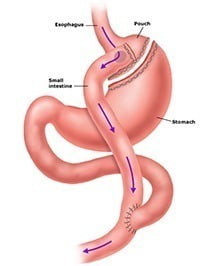
During the Roux-en-Y gastric bypass procedure, a small pouch is created from the stomach by stapling, significantly reducing its capacity and promoting early satiety. The small intestine is then rerouted and attached to this small pouch, bypassing a large portion of the stomach and the first segment of the small intestine. This rerouting results in fewer calories and nutrients being absorbed by the body, aiding weight loss.

Before and after the procedure, patients must follow a special diet, including lifelong vitamin supplementation, to address nutritional risks. Gastric bypass has a higher risk of complications, including long-term nutrient deficiencies and dumping syndrome. Dumping syndrome occurs more commonly after gastric bypass (up to 44%) compared to gastric sleeve (27%). Gastric bypass is often recommended for individuals with severe diabetes or a very high BMI, while gastric sleeve may be chosen for those with lower surgical risk tolerance.

Surgical Criteria

Not everyone is a candidate for bariatric surgery. To qualify, patients typically need to meet specific medical guidelines. Most commonly, candidates have a body mass index (BMI) of 40 or higher, or a BMI of 35 or higher with at least one obesity-related health condition, such as type 2 diabetes, high blood pressure, or sleep apnea. Additionally, patients should be at least 18 years old and have made previous attempts to lose weight through diet, exercise, or other medical interventions without lasting success. The type of bariatric surgery recommended may also depend on the patient’s overall health and specific needs. Meeting these criteria helps ensure that surgery is both safe and effective for long-term weight loss and improved health.

Preparation for Surgery

Preparing for bariatric surgery involves several important steps to ensure the best possible outcome. Patients are often asked to lose some weight before surgery, quit smoking, and avoid certain medications that could increase surgical risks. A series of blood tests and other medical evaluations are performed to confirm that the patient is healthy enough for surgery. In addition, a mental health assessment may be required to evaluate emotional readiness and the ability to commit to the lifestyle changes needed after surgery. This preparation phase can take several weeks to several months, giving patients time to develop healthy habits and address any underlying health concerns before undergoing bariatric surgery.

Recovery and Aftercare

Recovery from bariatric surgery typically begins with a hospital stay of a few days, during which patients are closely monitored for any complications and provided with pain management. Once discharged, patients must follow a strict diet and gradually reintroduce foods as their digestive system heals. Regular follow-up visits with the bariatric surgeon and healthcare team are essential to track progress, adjust medications, and address any concerns. Patients will also need to take nutritional supplements to prevent deficiencies and support long-term health. Adhering to the recommended diet, exercise plan, and follow-up schedule is key to achieving and maintaining significant weight loss after bariatric surgery.

Safety and Risks

While bariatric surgery is generally safe and effective, it does carry certain risks and potential complications, as with any surgical procedure. Possible risks include infection, bleeding, and reactions to anesthesia. Some patients may experience dumping syndrome, which can cause symptoms like nausea, vomiting, and diarrhea after eating. Other potential complications include malnutrition, bowel obstruction, and, in rare cases, stomach perforation. However, with thorough preparation, careful patient selection, and skilled surgical care, these risks can be minimized. Patients need to discuss all potential risks and benefits with their bariatric surgeon to make an informed decision about their weight loss journey.

Find the Right Bariatric Procedure for You at BMI

Each patient’s situation is different and requires a customized approach to weight loss. The overall cost of weight loss surgery depends on the type of procedure, the location where it is performed, and your insurance coverage. The cost of gastric sleeve surgery is typically about 25% less than that of gastric bypass surgery. Many health insurance plans cover some costs of bariatric surgery, including gastric sleeve and gastric bypass, provided certain qualifications are met. Achieving and maintaining your target weight after surgery requires adopting healthy lifestyle habits for long-term success. That’s why Birmingham Minimally Invasive Surgery offers a variety of options to help our patients lose weight, including gastric sleeves and gastric bypass surgery. To get started on your weight loss journey with bariatric surgery, contact us at (205) 858-1211. Our experienced surgeons will discuss your options with you to find the best one for your needs and desired outcome.

Achieve Stigma-Free Weight Loss at BMI

No matter which bariatric procedure you choose, the team at Birmingham Minimally Invasive Surgery can provide the support you need to be successful in your weight loss journey. Regular follow-up visits with your healthcare provider are essential after surgery to monitor your health, including ordering blood tests to check for nutritional deficiencies and blood sugar levels. Managing blood sugar is especially important for reducing complications, particularly for those with metabolic syndrome or high blood sugar, as these conditions increase the risk of heart disease, diabetes, and stroke. After bariatric surgery, patients typically will not be allowed to eat for 1 to 2 days to allow the stomach and digestive system to heal. You will follow a specific diet that starts with liquids, progresses to pureed and very soft foods, and eventually returns to regular foods over several weeks. Patients are advised to eat small meals and chew food well to aid digestion and prevent complications. Maintaining these habits and attending follow-up visits helps prevent weight gain after surgery. If you have specific concerns or questions about our weight loss procedures, including gastric sleeves and gastric bypass surgery, contact us for personalized support at (205) 858-1211.


Weight Loss Surgery: The 5 Types of Bariatric Surgery

Woman's body before and after weight loss on pink background.

Weight Loss SurgeryFrom diminished self-esteem and insecurities to health concerns and discomfort, excessive body fat can harm your physical and mental health. If you’ve been trying to lose weight with traditional methods, like diet and exercise, to no avail, we understand how frustrating it can be. However, weight loss surgery may be your long-awaited solution!

At BMI Surgery, we make weight loss simple with safe, effective bariatric surgeries. In this blog, we’re discussing the five types of weight loss surgery so that you can learn a little bit more about each treatment and all the opportunities available to you. Don’t waste any more time on weight loss gimmicks; discover real results with BMI Surgery and start living a healthier, happier life.

The 5 Types of Weight Loss Surgery

Laparoscopic Gastric Bypass

Since 1967, laparoscopic gastric bypass has been a tried and true method for weight loss. With gastric bypass, the stomach becomes a smaller pouch and is then attached to the small intestine, meaning this procedure combines a restrictive and malabsorptive approach. In layman’s terms, not only will your stomach be able to hold less food, but also limit the amount of calories absorbed.

Orbera Gastric Balloon®

If you’re looking for a less permanent solution to get you on track, the Orbera Gastric balloon may be right for you. Your surgeon will place a balloon inflated with saline in your stomach to increase feelings of fullness and help you navigate proper portion sizes. The balloon inflates to the size of a grapefruit but is then removed around six months after your initial operation.

Sleeve Gastrectomy

Sleeve gastrectomy, also called gastric sleeve, is one of the most popular weight loss surgeries at BMI Surgery. It relies on the restrictive method, shrinking your stomach to about two-thirds of its current size. That way, you can achieve feelings of fullness with fewer calories. At BMI Surgery, we offer laparoscopic gastric sleeves, which reduces hospital time, recovery, and overall risks.

LAP-BAND®

Like gastric sleeve, LAP-BAND is performed laparoscopically and reduces the size of your stomach. However, as the name suggests, during LAP-BAND, your surgeon will place a band around the upper portion of your stomach, thereby creating a smaller upper stomach without permanently alternating it. Your surgeon can also adjust the stomach size by injecting more or less saline into the ring through a skin port.

Revisional Weight Loss Surgery

Lastly, BMI Surgery offers revisional weight loss surgery. While uncommon, patients may slip into old habits, resulting in weight gain and other complications. Revisiting weight loss surgery can reverse or alter any previous surgeries if needed. However, to undergo revisional weight loss surgery, you must meet specific requirements to ensure any weight gain is, in fact, related to surgery, not overeating. For more information about revisional weight loss surgery, contact one of our friendly team members.

Lose Weight Fast with BMI Priority Pass

If you’re ready to lose weight in a fast, affordable, and safe way, BMI now offers Priority Pass. With this program, you can undergo your initial consultation, surgery, and initial post-op recovery in as little as three days!

You can finally lose weight for good with the help of our board-certified weight loss surgeon—with no medical weight loss preparation necessary. Dr. Long and his team can help you decide which weight loss surgery is right for you and offer a complete weight loss plan designed just for you and your needs.

Interested in Weight Loss Surgery? Schedule Your Consultation Today!

If you’re ready to lose weight for good, look no further than BMI Surgery! Proudly serving Birmingham, AL, and surrounding communities, we’re here to help you live a more fulfilling life. Call us at (205) 833-6907 or contact us online to schedule an appointment.

Laparoscopic Gastric Bypass 101: Answering Your Top 5 Questions

Woman measuring her jeans and stretching out her hand to illustrate noticing her weight loss.

Laparoscopic Gastric Bypass

It’s estimated that nearly 262,892 people underwent weight loss surgery in 2021, and numbers are predicted to keep rising. While weight loss surgery may seem like the latest and greatest technique to lose weight, it dates back to 1954 when Dr. A.J. Kremen and his team performed the first form of bariatric surgery—-gastric bypass surgery.

After making a few adjustments in 1967 and later in the 1990s, gastric bypass has stood the test of time. Because of this, gastric bypass is a tried and true method for those wanting to lose a significant amount of weight.

Laparoscopic Gastric Bypass 101

If you’ve been considering weight loss surgery but weren’t sure if it’s just a fad, look no further than gastric bypass! The experts at BMI Surgery are taking an in-depth look at gastric bypass surgery and if it’s right for you.

What Is Laparoscopic Gastric Bypass?

Gastric bypass, also called the Roux-en-Y procedure, is performed laparoscopically through small, precise incisions. During a laparoscopic operation, the surgeon will insert a tiny camera and surgical instruments into the incisions. With these minimally invasive techniques, many patients experience fewer complications, less hospital time, and a quicker recovery.

How Does Laparoscopic Gastric Bypass Work?

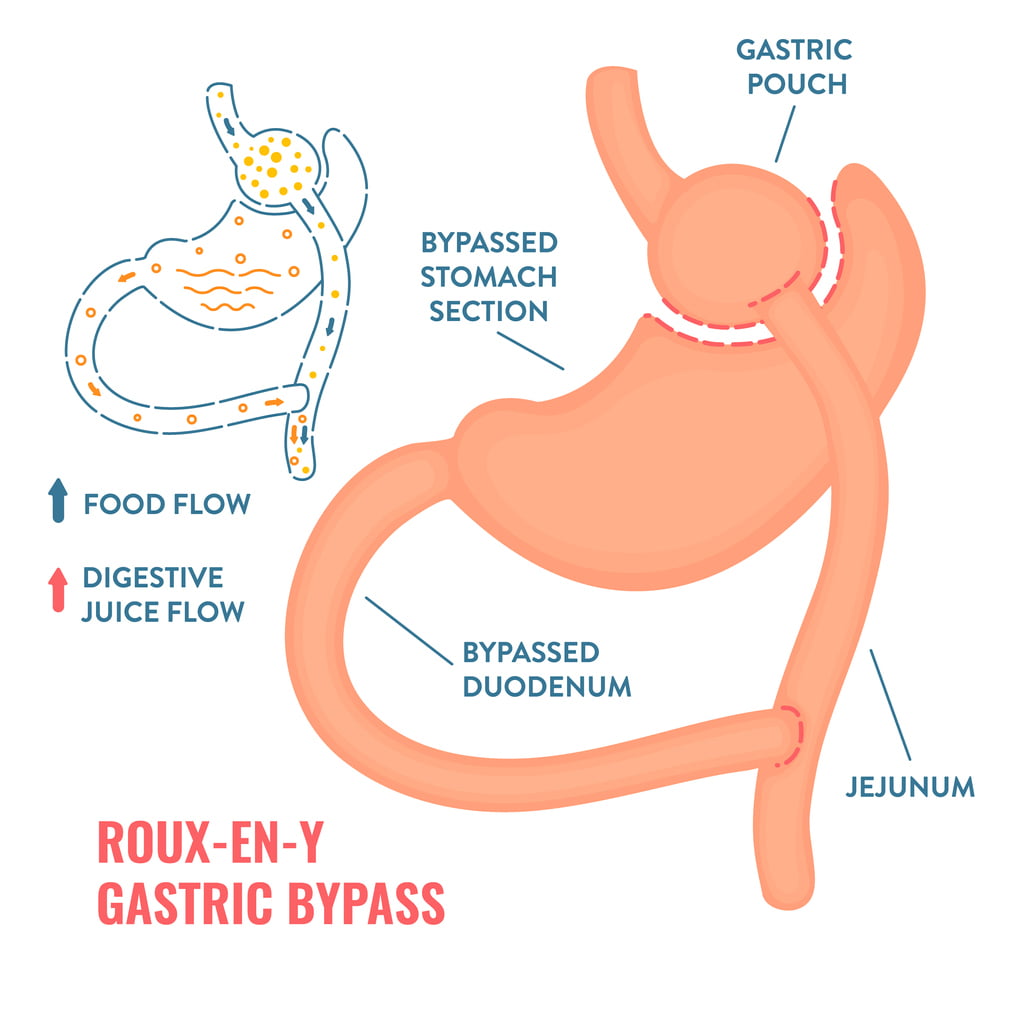
As you may have guessed, Roux-en-Y is a French term, which means in the shape of a Y. Gastric bypass works by dividing the stomach and the small intestine and then joining the segment together to create a Y shape.

Gastric bypass combines two techniques for weight loss: restriction and malabsorption. First, your surgeon will section off your stomach, which forms a small pouch. This pouch is your new and improved stomach and is smaller than the original size, so it restricts the amount of food it can hold. Then, the pouch is joined to a lower segment of the small intestine, which decreases the absorption of calories from your food. What’s more, is that this procedure usually only takes one and a half to two hours.

If you’re more of a visual learner, check out the illustration below. You can see where food and digestive juices flow and look closer at the renowned Y shape.

gastric bypass illustration

What Is Recovery Like After Laparoscopic Gastric Bypass?

On average, 60-80% of excess body weight is lost two years following gastric bypass. Gastric bypass is highly effective for weight loss, but supporting your weight loss during recovery and beyond is essential.

After laparoscopic gastric bypass, you’ll most likely eat a few bites of food and feel full, which leads to significant and quick weight loss. Since your body isn’t absorbing all the nutrients in the small intestine, following your doctor’s instructions about supplementing your diet with oral vitamins and minerals is important.

Beyond that, you’ll recover as you would from any other surgery—slow and steady. We recommend following a healthy diet and beginning light exercise as soon as you feel up to it. Check out this blog for more information about preparation and recovery for laparoscopic gastric bypass.

What Is the Difference Between Gastric Sleeve and Laparoscopic Gastric Bypass?

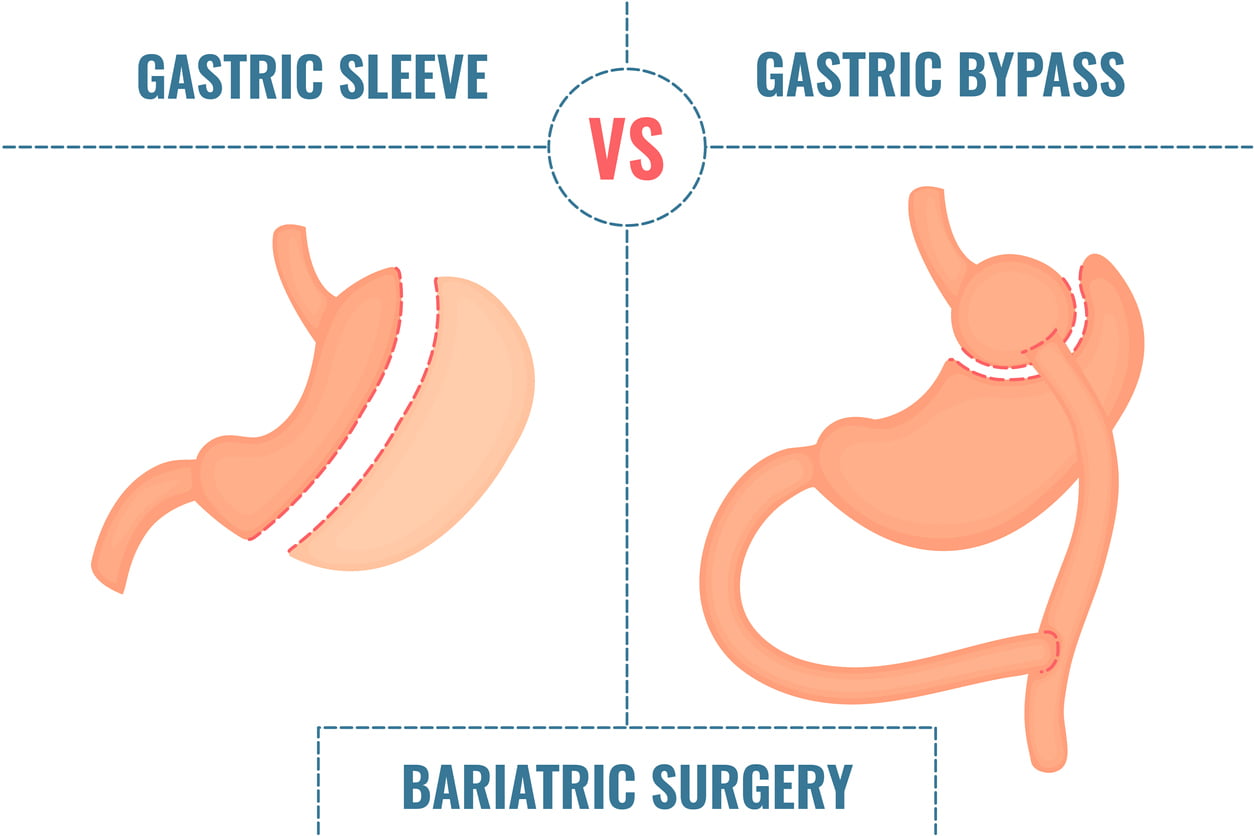
Great question! Gastric sleeve is another popular weight loss surgery and removes about 80% of the stomach to restrict calorie intake. The gastric sleeve isn’t malabsorptive like laparoscopic gastric bypass and doesn’t involve the small intestine. In the image below, you can see a side-by-side comparison of these two weight loss surgeries.

Gastric sleeve vs gastric bypass bariatric surgery weight loss infographics

Both techniques are proven effective for weight loss, and which you choose depends on your personal needs. For example, gastric bypass may be better for those who suffer from acid reflux. On the other hand, gastric sleeve may be better suited for patients with high-risk medical conditions since it typically takes less time under anesthesia.

Luckily, you don’t have to decide which is right for you! Of course, you’ll always have the final say, but your surgeon can recommend which weight loss surgery suits your needs and will provide you with the results you desire.

Who Is a Candidate for Laparoscopic Gastric Bypass?

If you’re interested in weight loss surgery, you’ll undergo a complete evaluation and consultation with your weight loss surgeon to ensure your safety.

However, there are a few general requirements for bariatric surgery, including

  • BMI (Body Mass Index) of 40 or more
  • BMI (Body Mass Index) of 30 or more with weight-induced medical conditions (hypertension, diabetes, etc.)
  • Documented attempts of diet and exercise for weight loss
  • No indication of alcoholism or drug use

If you’re curious about your Body Mass Index, check out our BMI calculator. It’s quick, easy to use, and can estimate your BMI in seconds. It’s important to note that this number isn’t a fool-proof method, and you should always consult your doctor about wanting weight loss surgery.

Lose Weight with Laparoscopic Gastric Bypass

If you’ve been trying to lose weight to no avail, gastric bypass may be your long-awaited solution! With years of refining, bariatric surgery is a proven method to help you achieve your dream body—whether you choose gastric sleeve or laparoscopic gastric bypass.

If you’re interested in becoming the best version of yourself, learn more about weight loss at BMI Surgery! With years of experience, we’re dedicated to helping you find a weight loss solution that’s right for you.

Interested in Learning More About Weight Loss Surgery? Call Us!

Proudly serving Birmingham, AL, and beyond, BMI Surgery offers effective, affordable weight loss surgeries. If you’d like to learn more about weight loss surgery, don’t hesitate to contact our team of experts. Call us at (205) 833-6907 or contact us online today!

How Gastric Sleeve and Gastric Bypass Are Different?

how gastric bypass & gastric sleeve are different

how gastric bypass & gastric sleeve are different

Weight loss surgery is often necessary for patients that have extreme difficulty losing weight or for those who seek permanent weight loss. Often, if you are significantly overweight, it can actually be a health risk to begin a rigorous exercise routine or too-strict diet plan. In these cases, we may recommend a surgical procedure like the gastric sleeve or gastric bypass. These options can lower your risks and get you on a path to improved health and wellness.

Amongst the many bariatric surgery options available, gastric sleeve and gastric bypass surgeries are the most well-known and common. Both of these procedures are meant to be permanent and require a full-time commitment to maintaining a healthy lifestyle. But what’s the difference?

Learn about each option and which is best for your weight loss goals!

What is a Gastric Sleeve?

Also known as sleeve gastrectomy, gastric sleeve surgery is designed to limit the amount of food that patients can eat—and desire to eat. The surgery will reduce the stomach size to between two-thirds and 80% of its original size.

A smaller stomach means people physically eat less food before feeling full, reducing their caloric intake and helping them lose weight. Moreover, gastric sleeve surgery also removes part of the stomach responsible for producing the hunger hormone ghrelin. That means patients are less likely to feel the urge to eat after this surgery, which is why it is so popular.

The procedure only takes 30-35 minutes, and recovery is typically quick. Gastric sleeve surgery is performed laparoscopically, meaning that it doesn’t require any large abdominal incisions. Because this surgery is minimally invasive, it involves less pain and less hospital time.

What is a Gastric Bypass?

Gastric bypass surgery creates a small pouch that bypasses most of your stomach and some of the small intestine. Food will then go through this pouch and to the intestines, cutting out a large section of the stomach. Additionally, a part of your small intestine that absorbs calories is removed. Without this portion of your intestine, you absorb fewer calories from meals, helping you lose weight.

A gastric bypass is more complex than a sleeve. In a sleeve gastrectomy, your surgeon must only complete one step: removing part of your stomach. In a gastric bypass, the surgeon will remove part of the intestine, create a stomach pouch, and then re-attach the rest of the stomach closer to the intestines. Consequently, the surgery has a longer recovery period.

Which Option is Best for Me?

Gastric bypass is the more complicated surgery but also the one that tends to deliver the most dramatic results. It is also the preferred choice for those who suffer from severe diabetes. Because a gastric sleeve isn’t an option for those with severe reflux disease, a bypass may give them an avenue for significant weight loss.

That said, the gastric sleeve is simpler and comes with fewer risks. It can be an incredible way to jumpstart your journey to overcoming obesity without affecting the sphincter muscles that allow food to enter and exit your stomach. Most patients see 50-70% of excess weight lost over the first 1-2 years and find it easier to perform daily activities, helping them maintain their results.

Discuss Your Options with the Professionals

There are lots of bariatric surgery options, and gastric sleeve and gastric bypass are the most common because of their great results! However, it’s important to consult a surgical expert before making a decision. The best surgery will depend on things such as your current weight, lifestyle, eating habits, and medical history. A certified doctor will be able to evaluate all of these things and help you decide which choice is right for you and your weight loss goals.

Learn More About Bariatric Surgery And Lose Weight At BMI Surgery!

If you’d like to learn more about our minimally invasive gastric sleeve and gastric bypass surgeries—or any other bariatric surgeries—please feel free to contact Dr. Long and his team today. Proudly serving the Birmingham area, we specialize in all types of bariatric surgery and can help you find the best solution for your weight loss goals. Call us today at 205-850-1973 to set up a consultation.

We look forward to helping you take back control of your health!


What You Should Know About Gastric Bypass Surgery?


Gastric Bypass Surgery for Weight LossGastric bypass surgery is a very effective procedure to help patients lose weight and cure the medical problems that occur when they are morbidly obese. It has excellent long-term success, and patients have a much healthier and happier life.

This surgery involves reducing the stomach size and rearranging your intestines, and as a result, you feel full much sooner after meals. Also, you don’t absorb as many calories as you eat, and you don’t have the same hunger mechanism. These aspects of gastric bypass along with eating a healthy diet and exercising will be the key to a successful weight loss journey.

Before and During the Day of Surgery:

It is necessary to undergo a health assessment so that your physician is aware of your medical and surgical history. After meeting with the physician, he will request blood tests, and if necessary, an EKG and a chest X-ray. You will also attend a nutrition and prep class to help you prepare for this surgery.

In order to prepare your body for the surgery, you will need to undergo a special diet for one to two weeks prior to the operation. This pre-op diet is important because it will shrink the size of your liver, which sits on top of your stomach. You will not be allowed to drink or eat anything after midnight before your surgery.

Immediately After Surgery:

Expect to stay overnight in the hospital, as you will need to be monitored for any potential complications. Immediately after surgery, it is normal to feel slightly sore, and the nurses will administer the necessary medications to keep the pain to a minimum. You will be expected to walk as soon as possible on the day of surgery. Early ambulation will help prevent blood clots and will speed up the recovery process.

2-3 Days After Surgery:

You should be off of the pain medication. Try to stay active, but don’t overdo it. You will need to start slowly increasing your exercise regimen. You will have a dietary guideline that will help you to maintain a low-calorie, high-protein diet.

2-4 Weeks After Surgery

You should be increasing your exercise regimen. You will have a follow-up appointment with the surgeon and the nutritionist. You will need to start the bariatric supplements as recommended in the pre-op education class.

Conclusion:

If you are considering gastric bypass surgery, be sure to talk to us and see if it is right for you. To learn more about gastric bypass surgery and to schedule a consultation with a qualified surgeon, please visit our website or call us at 205-833-6907.