Category: Gastric Bypass

FAQs About Weight Loss With Gastric Bypass Surgery

gastric bypass FAQs

gastric bypass FAQs
Gastric bypass
, gastric sleeve, LAP-BAND. While there are many differences between each of these weight loss surgeries, it can be easy to get them confused or to mix up details about them. That’s very normal since you, as the patient, are not required to be an expert on these procedures. 

But our surgeon at Birmingham Minimally Invasive Surgery is an expert, and most patients truly value the one-on-one consultation they get to have with Dr. Jay Long. Many people comment on his patient approach to this meeting, always taking the time to truly talk things out as much as needed and providing his professional advice. 

He has had these consultations many, many times, and he’s well versed in answering the most common questions about each procedure. We covered FAQs about gastric sleeve surgery in this article, and here, we will provide answers to common questions regarding gastric bypass surgery.

Gastric Bypass Surgery FAQs

How do I know if I qualify for gastric bypass surgery?

Generally speaking, gastric bypass surgery could be a good option for you if you meet any of these requirements:

  • Your previous efforts to lose weight with diet and exercise have been unsuccessful
  • Your body mass index (BMI) is 40 or higher
  • Your BMI is 35 or higher, and you have a serious weight-related health problem, such as type 2 diabetes, high blood pressure, or severe sleep apnea
  • You’re a teenager who’s gone through puberty, your BMI is 35 or more, and you have serious obesity-related health problems, such as type 2 diabetes or severe sleep apnea

What happens before and during the gastric bypass procedure?

Prior to the procedure, you will be given a general anesthetic. This will allow you to be asleep throughout the duration of the surgery, and you will not feel any pain. At Birmingham Minimally Invasive Surgery, we perform laparoscopic gastric bypass, so once you are asleep, Dr. Long creates six small surgical openings on your abdomen. The laparoscope and small surgical instruments are introduced through these openings.

During the procedure, he divides your stomach and reroutes your small intestine to create a small stomach pouch and new digestive route. The small stomach pouch will restrict your food intake. 

A Y-shaped section of the small intestine is attached to the pouch to allow food to bypass the lower stomach, the duodenum (the first segment of the small intestine), and the first portion of the jejunum (the second segment of the small intestine). This bypass route reduces the absorption of nutrients, which also reduces calorie intake. At the end of the surgery, Dr. Long will check the new connections to make sure there are no leaks.

How long does the surgery take, and how long will I be in the hospital?

Gastric bypass surgery typically takes one to two hours and requires a stay of at least one night in the hospital. 

What happens after the gastric bypass procedure?

Depending on your condition, you may be given a clear-liquid diet the day of your surgery. You may be able to start a pureed diet before you go home. You will be given medications to help alleviate any pain or discomfort. We will also instruct you on a special diet plan to follow after surgery. You will have restrictions on how much and what you can eat and drink, and your eating plan may look similar to what’s outlined below. Going through this diet plan while letting your body adjust is an extremely important part of recovery. 

  • Stage one: liquids — right after surgery
  • Stage two: protein-rich liquids— a few days after surgery
  • Stage three: pureed soft foods — approximately two weeks after surgery
  • Stage four: solid foods — approximately four weeks after surgery

We will ask you to come in for regular checkups to monitor your health in the first several months after your gastric bypass procedure. You may need laboratory testing, blood work, and other various exams. We will also be monitoring your weight loss.

How much weight can I expect to lose?

Gastric bypass is often a great option for our heavier patients because most lose up to 80% of their excess body weight (as opposed to about 60% with gastric sleeve surgery). This rapid weight loss can be very beneficial for those who have more severe health issues, such as sleep apnea, high blood pressure, and diabetes. Also keep in mind that gastric bypass has been proven to cure both severe acid reflux and poorly controlled diabetes. If you have either of these issues, this is a huge advantage of significant weight loss that happens relatively quickly.

Is gastric bypass reversible?

Technically it is a reversible procedure. For some, it’s comforting to know this. However, we want to be clear that this is something we always want to avoid, because reversal will cause you to gain the weight back.

How much does gastric bypass surgery cost?

The cost of gastric bypass surgery starts at $15,999, and this cost also includes pre-operative testing, such as blood work and EKG, if necessary; pre-operative nutrition evaluation; surgeon fee for the procedure; anesthesiologist fee; post-operative visit with the nutritionist within 6 weeks of surgery; and more. 

Will the surgery be covered by my insurance?

It may be covered. For patients who do have insurance coverage, the cost may be somewhat less than the numbers mentioned above. However, insurance companies that do provide coverage typically have many requirements you must meet, such as a lengthy physician-supervised diet that may take up to seven months. While your journey might take a little longer, many of our patients have successfully used insurance to help them afford the cost of gastric bypass.

Is Gastric Bypass Your Answer for Weight Loss?

Through your pre-op visits and consultation with Dr. Long, we will help you answer this question. If you are ready to seriously look into it, schedule an appointment with him to get started on your journey to weight loss right away!

Find out more about gastric bypass surgery and other weight loss options at Birmingham Minimally Invasive Surgery.

The caring group of professionals at Birmingham Minimally Invasive Surgery will help you get started on your weight loss journey and stay with you every step along the way. Dr. Long and his team specialize in all types of bariatric surgery, including gastric sleeve surgery, gastric bypass, and the LAP-BAND. Visit us today at http://www.bmisurgery.com/ or give us a call to set up a consultation at 205-833-6907. 

Which Surgery Helps You Lose Weight the Fastest?

weight loss surgery results

weight loss surgery results
All of our weight loss surgery options at
Birmingham Minimally Invasive will help you lose weight faster than you would with diet and exercise alone. This is especially true when you consider that diet and exercise alone doesn’t work for many people, especially long-term. 

The entire process you go through with weight loss surgery — from the pre-op testing and dieting, to the surgery itself, and then the changes you make after — is designed for long-term success. Even so, many people want to know which option will help them lose weight the fastest. 

Rate of Weight Loss for Surgeries at Birmingham Minimally Invasive

While we will talk about typical rates of weight loss for our most popular surgeries, the answer really varies. It depends on each individual, including how heavy you were to start with, genetics, if you smoke, and how committed you are to your plan. 

Gastric Sleeve Surgery

Gastric sleeve surgery is a simple, minimally invasive procedure that’s a great option for anyone suffering from obesity and other weight-related health conditions. In addition to weight loss, these conditions may improve, and you may see results such as improved cardiovascular functioning, remission of type 2 diabetes, and joint pain relief.

To accomplish these results, the procedure reduces the overall size of your stomach and allows you to only eat a small amount at one time. You can expect to lose weight over the course of several months. While success rates will vary, when paired with proper diet and exercise, you may reduce excess weight by approximately 50 to 70% over the first one to two years after surgery. 

The LAP-BAND

With this procedure, we place the LAP-BAND near the top of the stomach where it meets the esophagus. This creates a very small pouch that empties into the larger remaining portion of the stomach. We connect the band to a port, which is located underneath the skin of the abdomen. This is how we put fluid in the band, which allows us to make the band opening larger or smaller in size, providing more or less restriction.

With the LAP-BAND, weight loss may be somewhat slower than with other options. We have to find that “happy place” where you are able to eat well but also maintain smaller portion sizes. This is where band adjustments come into play. Many patients like this feeling of control and knowing that the band can be taken out if necessary.

Gastric Bypass Surgery 

Gastric bypass patients tend to lose more weight than those who undergo LAP-BAND or gastric sleeve. It’s often a great option for heavier patients because most lose up to 80% of their excess body weight. This rapid weight loss can be very beneficial for those who have more severe health issues, such as sleep apnea, high blood pressure, and diabetes. 

For most patients, 60 to 70% of weight loss occurs within the first 6 to 8 months after surgery, allowing patients to lose weight rapidly and keep it off. Because the surgery has been performed for over 50 years, we have more long-term data to support the effectiveness. 

This rapid weight loss is possible because with gastric bypass, we are restricting your stomach’s ability to hold food. This means you will naturally eat less and feel full sooner. The average patient is able to lose and maintain their weight loss long-term. 

Find out more about the weight loss surgery options at Birmingham Minimally Invasive Surgery.

The caring group of professionals at Birmingham Minimally Invasive Surgery will help you get started on your weight loss journey and stay with you every step along the way. Dr. Long and his team specialize in all types of bariatric surgery, including gastric sleeve surgery, gastric bypass, and the LAP-BAND. Visit us today at http://www.bmisurgery.com/ or give us a call to set up a consultation at 205-833-6907. 

Should You Have Weight Loss Surgery?

weight loss surgery

weight loss surgery
You make many decisions everyday. Big ones, small ones, medium ones. But how many decisions are you making for your health? Your health should always be a top priority! For those considering weight loss surgery, there are two major decisions. First, is this really the right time to have weight loss surgery? And second, which surgery should you have?

Making the Decision to Have Weight Loss Surgery

First and foremost, you must be ready to completely change your lifestyle. From what you eat, how you eat, and how often you eat to how active you are and how you structure your days, many things will have to change to achieve long-term success after weight loss surgery. For some people, this drastic change is necessary and helpful. 

If you want to be considered for weight loss surgery at Birmingham Minimally Invasive, we will do a thorough exam and evaluation to find out if you are indeed a good candidate. Here are some of the things we will assess:

  • Previous efforts to lose weight with diet and exercise 
  • Body mass index (BMI) must be 40 or higher or you must have a BMI of 35 or higher combined with serious weight-related health problems, such as type 2 diabetes, high blood pressure, or severe sleep apnea
  • Nutrition and weight history, including weight trends, previous diet attempts, eating habits, exercise regimen, stress level, time constraints, motivation, and other factors
  • Other medical conditions that may increase the risks associated with having weight loss surgery or may be worsened by the surgery, such as blood clots, liver disease, heart problems, kidney stones, and nutritional deficiencies
  • Medications you take, how much alcohol you drink, and if you smoke
  • Psychological status since certain mental health conditions may contribute to obesity or make it more difficult for you to maintain health benefits after the surgery
  • Motivation since you need great willingness and ability to follow through with recommendations for lifestyle changes
  • There is no specific age limit for weight loss surgery, but this can impact our recommendations

There may be specific requirements and considerations related to each of our weight loss surgery options.

Which Kind of Weight Loss Surgery is Best For You?

This is a big decision, but not one you will make alone. Our surgeon, Dr. Long, will come alongside you to provide his expertise and experience. He will consider your unique needs and find the right option, and he’s the best when it comes to performing weight loss surgeries. Here’s a look at our three most popular weight loss surgeries.

Gastric Sleeve 

During gastric sleeve surgery, we basically cut away the top and largest part of the stomach called the fundus. This is where the hunger hormone, ghrelin, lives, and that’s why we often hear our post-surgery patients say they’re never hungry. Along with eliminating this hunger hormone, we’re also removing about 2/3 of the stomach, which is why these two combining factors lead to significant weight loss.

Compared to other options, gastric sleeve is considered to be a more simple procedure. We do not reroute the intestines like we do during gastric bypass, and we do not put in a foreign body as we do with the LAP-BAND. It typically takes only about 30 to 45 minutes, and we perform the surgery laparoscopically. This means we avoid the need for large abdominal incisions, which typically results in less pain, shorter hospital stays, and faster recovery.

Gastric Bypass

With the Roux-en-Y gastric bypass, we create a very small stomach pouch that restricts food intake. Next, a Y-shaped section of the small intestine is attached to the pouch that allows food to bypass the lower stomach, the duodenum (the first segment of the small intestine), and the first portion of the jejunum (the second segment of the small intestine). This ultimately reduces the amount of food you can take in because you have a very small stomach that holds about one to two ounces. 

The bypass is usually a better option for our heavier patients because most will lose up to 80% of their excess body weight as opposed to about 60% with the sleeve. It’s also going to be the better option for anyone with severe acid reflux or poorly controlled diabetes since the bypass has proven to cure both. For patients with more weight to lose and more comorbidities, like sleep apnea, high blood pressure and/or diabetes, gastric bypass is typically a better procedure overall with more rapid weight loss. 

We sometimes hear that people have the impression that gastric bypass is more invasive than other options, but we take a minimally invasive approach. We typically make six incisions, and it’s done completely laparoscopically. It is a little more labor-intensive because we do change your anatomy. The inpatient surgery takes one to two hours and requires a hospital stay of one or two nights.  

The LAP-BAND

During this procedure, we place the LAP-BAND, a band made of a special material, near the top of the stomach where it meets the esophagus. This creates a very small pouch that empties into the larger remaining portion of the stomach. The band is connected to a port, which is underneath the skin of the abdomen, and this port is how we put fluid in the band, allowing us to make the band opening larger or smaller in size, giving the patient more or less restriction.

We typically perform the LAP-BAND procedure in our outpatient surgery center, and you are usually discharged the same day. Some patients prefer the LAP-BAND because it is not permanent. We are not changing the anatomy of the stomach, and we can take the LAP-BAND out if you choose to do so.

Let Us Help You Decide Which Path to Take for Weight Loss

The goal with all of these procedures is weight loss, but it’s still important to keep in mind that no surgery is a magic fix for permanent weight loss. While it will certainly help, diet and exercise are still going to be important. Eating the right foods, not consuming excess calories, and establishing an exercise routine are essential when you’re trying to lose weight and keep it off.  

Making the decision to have weight loss surgery is huge. But even when you are certain that this is what you need to do, it can be overwhelming to move forward. Our surgeon and staff will be with you every step along the way, but we know that many patients like to be as informed as possible about their options. 

Find out more about the weight loss surgery options at Birmingham Minimally Invasive Surgery.

The caring group of professionals at Birmingham Minimally Invasive Surgery will help you get started on your weight loss journey and stay with you every step along the way. Dr. Long and his team specialize in all types of bariatric surgery, including gastric sleeve surgery, gastric bypass, and the LAP-BAND. Visit us today at http://www.bmisurgery.com/ or give us a call to set up a consultation at 205-833-6907. 

Advantages of Gastric Bypass Surgery

gastric bypass advantages

gastric bypass advantages
Gastric bypass surgery is one of our most popular weight loss surgery options and Birmingham Minimally Invasive. It’s a great option for weight loss surgery candidates, and there are many advantages. 

While we do sometimes hear that patients have the impression that gastric bypass is a more invasive option, we always take a minimally invasive approach when possible. 

With gastric bypass (also called Roux-en-Y), we create a small stomach pouch that restricts food intake. We attach a Y-shaped section of the small intestine to the pouch. This allows food to bypass the lower stomach — the duodenum (the first segment of the small intestine) and the first portion of the jejunum (the second segment of the small intestine). Doing so reduces the amount of food you can take in because your stomach holds only one to two ounces. This bypass also reduces the absorption of nutrients and thereby reduces calorie intake.

Advantages of Gastric Bypass Surgery

While weight loss is one of our overall goals and a huge advantage, there are other factors to consider as well.

Rapid weight loss for heavier patients

Gastric bypass is often a great option for our heavier patients because most lose up to 80% of their excess body weight (as opposed to about 60% with gastric sleeve surgery). This rapid weight loss can be very beneficial for those who have more severe health issues, such as sleep apnea, high blood pressure, and diabetes. 

Good option if you have severe acid reflux or diabetes

Gastric bypass has been proven to cure both severe acid reflux and poorly controlled diabetes. If you have either of these issues, this is a huge advantage.

Other health improvements

You will follow a special diet plan before surgery that is geared toward reducing the amount of fat in and around your liver to reduce the risk of complications during the surgery. Reducing this fat in and around your liver and abdomen may allow you to have a laparoscopic rather than open surgery, which is always our preference at Birmingham Minimally Invasive. 

One-on-one consultation with Dr. Long

When you come in to talk to us about the possibility of having weight loss surgery, our surgeon, Dr. Long, provides a one-on-one consultation. Many patients comment on his patient approach to this meeting, always taking the time to truly talk things out as much as needed and providing his expert advice. This helps each individual decide which weight reduction option is best. 

Technically a reversible procedure

For some, it’s an advantage to know that gastric bypass is technically considered reversible. However, this is something we always want to avoid, because reversal will cause you to gain the weight back.

Price includes more than just the surgery

The cost of gastric bypass surgery starts at $15,999, and can go up to $18,500 for laparoscopic gastric bypass. But you get much more than just the surgery. This cost also includes:

  • Pre-operative testing, blood work, and EKG, if necessary
  • Pre-operative nutrition evaluation
  • Surgeon fee for the procedure
  • Anesthesiologist fee
  • Hospital fee with one night in the hospital after surgery
  • Post-operative visit with the nutritionist within 4 weeks of surgery
  • Monthly support group meetings

Surgery may be covered by insurance

For those patients who do have insurance coverage, the cost may be somewhat less than the numbers mentioned above. However, insurance companies that do provide coverage of some sort typically have many requirements you must meet, such as a lengthy physician-supervised diet that may take up to seven month. While your journey might take a little longer, many of our patients have successfully used insurance to help them afford the cost of gastric bypass.

You will learn new, healthy, life-long eating habits

The gastric bypass diet can help you recover from surgery and transition to a way of eating that is healthy and supports your weight-loss goals. When you get to this point, you have been through a lot. But you will have learned a lot. By this time, most patients are very motivated to keep up the healthy habits they have learned, and we are confident that you will be too.

Let BMI Surgery help you improve your health with gastric bypass surgery.

The caring group of professionals at Birmingham Minimally Invasive Surgery will help you get started on your weight loss journey and stay with you every step along the way. Dr. Long and his team specialize in all types of bariatric surgery, including gastric sleeve surgery, gastric bypass, and the LAP-BAND. Visit us today at http://www.bmisurgery.com/ or give us a call to set up a consultation at 205-833-6907. 

Want to Know How Much Weight Loss Surgery in Birmingham, AL, Actually Costs?

weight loss surgery cost

weight loss surgery cost
We have found that prospective patients often have it in their mind that weight loss surgery is super expensive. They may also think that there’s no way insurance will cover it. But we are happy to let you know that neither of these assumptions is correct. 

At Birmingham Minimally Invasive Surgery (BMI Surgery), our competitive prices for weight loss surgery cannot be beaten by any other clinics, but what’s even more important is that we offer so much value for the price you pay. In this article, we will look at our three most popular weight loss surgery options, the cost for each, and all that’s included. 

The Value You Get at BMI Surgery

In general, bariatric surgery prices vary based on type, level of invasiveness, and where you choose to have your surgery done. Unlike the doctors at many weight loss surgery practices, our physician, Dr. Jay Long, has years of specialized bariatric surgery training. He completed a fellowship in minimally invasive and bariatric surgery at The Methodist Hospital in Houston, Texas, where he focused on taking care of patients that are morbidly obese. 

Dr. Long brings this extensive experience to BMI Surgery. We have developed great skill in successfully achieving permanent weight loss for our patients. Our facilities are built for procedures like gastric sleeve surgery and other weight loss surgery options, and we specialize in making weight loss surgery as painless as possible.

When you come in to talk to us about the possibility of having weight loss surgery, Dr. Long provides a one-on-one consultation. This helps each individual decide which weight reduction option is best. A multi-disciplinary team also offers further advice before and after surgery through monthly support meetings, a nutrition/prep class, and customized high protein diets. 

Gastric Bypass Costs and Value

“How much does it cost to have gastric bypass surgery?” The short answer is that gastric bypass surgery starts at $15,999 cash pricing. The cost can go up to $18,500 cash pricing for laparoscopic gastric bypass. 

But what exactly is included in this cost? A lot!

  • Pre-operative testing, blood work, and EKG, if necessary
  • Pre-operative nutrition evaluation
  • Surgeon fee for the procedure
  • Anesthesiologist fee
  • Hospital fee with one night in the hospital after surgery
  • Post-operative visit with the nutritionist within four weeks of surgery
  • Monthly support group meetings

The cost may be somewhat less than the numbers mentioned above for patients who do have insurance coverage. However, insurance companies that do provide coverage of some sort typically have many requirements that you must meet, such as a physician-supervised diet that often takes up to seven months. By paying out of pocket for the procedure, you can start the journey towards a better, healthier life much more quickly.

Gastric Sleeve Costs and Value

Several factors contribute to the costs of gastric sleeve surgery. Gastric sleeve surgery is considered one of the less invasive weight loss procedures. It requires less time spent in surgery and a shorter hospital stay for most patients. This allows us to offer gastric sleeve at a lower price than some other weight-loss surgeries.

Obesity is officially recognized as a disease by the American Medical Association. The health risks associated with it are so high that many insurance plans will cover most, if not all, of the costs of the surgical procedure for gastric sleeve surgery. However, because there are so many different plans, and there are instances where there is no coverage for weight loss surgery, we encourage you to schedule an appointment with us to discuss your options.

Private pay is a very common option for those who are not covered by their insurance or choose to pay without using insurance. While prices vary among different surgeons, our gastric sleeve surgery at Birmingham Minimally Invasive starts at just $8,999, making it an affordable option for many. 

$8,999 cash pricing includes:

  • Pre-operative testing, including blood work and EKG, if necessary
  • Surgeon Fee for the procedure
  • Anesthesiologist Fee
  • Post-operative office visits for 90 days
  • Surgery Center Fee (Not all patients will be candidates for outpatient surgery. If the procedure has to be performed in the hospital, the total price will be $12,800, and this cost will cover a one-night stay in the hospital.)
  • Monthly support group meetings

The LAP-BAND Costs and Value

This minimally invasive procedure is one of the most common weight loss surgery options. In fact, it is generally thought to be the least “traumatic” of all weight-loss surgeries. It does not require any cutting, stapling, or stomach rerouting. This means less post-operative pain, a shorter hospital stay, reduced recovery time, and a lower cost.

The cost of the LAP-BAND is $7,999, and this cash pricing includes the following:

  • Pre-operative testing, including blood work and EKG, if necessary
  • Pre-operative nutrition evaluation
  • Surgeon Fee for the procedure
  • Anesthesiologist Fee
  • Surgery Center Fee (LAP-BAND is performed on an outpatient basis)
  • Post-operative visit with the nutritionist within four weeks of surgery
  • Monthly support group meetings

The LAP-BAND is on the lower end of the scale in terms of weight loss surgery cost. This is often especially appealing for those who will be paying out of pocket rather than using insurance assistance for payment.

Any kind of weight loss surgery will be a big investment, but it’s an important one. You are investing in your own health, but you are also investing in your family, your career, and your overall well-being. At BMI Surgery, we will work with you and any insurance coverage you have to make surgery possible!

Find out more about the cost of weight loss surgery at BMI Surgery

The caring group of professionals at Birmingham Minimally Invasive Surgery will help you get started on your weight loss journey and stay with you every step along the way. Dr. Long and his team specialize in all types of bariatric surgery, including gastric sleeve surgery, gastric bypass, and the LAP-BAND. Visit us today at http://www.bmisurgery.com/ or give us a call to set up a consultation at 205-833-6907. 

Make 2021 the Year You Finally Commit to Weight Loss Surgery

weight loss surgery

weight loss surgery
You’ve been thinking about it for a while. You follow us on
Facebook. You read our blog posts every month and keep coming back to our website again and again. You even know someone who’s had weight loss surgery and have talked to them about it.

But you still haven’t done it yourself. We know it’s a big decision. The decision to change your life and potentially save your life is enormous. So will 2021 be the year when you finally go for it?

Making the Decision to Have Weight Loss Surgery

Our surgeon, Dr. Jay Long, is the best in finding the right weight loss surgery option for you. He’s also the best when it comes to performing all of these procedures. Dr. Long, along with other team members, will be with you every step of the way to help you achieve the best possible outcome.

We have three primary weight loss surgery options: gastric sleeve surgery, gastric bypass surgery, and the LAP-BAND. Here is some basic information about them all.

Gastric Sleeve Surgery

Gastric sleeve surgery is a minimally invasive procedure that can help you lose weight and keep it off. It is a very popular procedure at Birmingham Minimally Invasive for many reasons. One significant advantage is that we perform gastric sleeve laparoscopically, which means there is a shorter recovery time than other bariatric surgeries, allowing you to resume your normal daily life sooner. 

Compared to other options, gastric sleeve is considered to be a more straightforward procedure. We cut away the top and largest part of the stomach and remove about two-thirds of it. We do not reroute the intestines. It typically takes only about 30 to 45 minutes, and there are no large abdominal incisions. After gastric sleeve, patients usually experience less pain, shorter hospital stays, and faster overall recovery.

Gastric Bypass Surgery

Gastric bypass is often an excellent option for our heavier patients because most lose up to 80% of their excess body weight instead of about 60% with a gastric sleeve. This rapid weight loss can be beneficial for those with more severe health issues, such as sleep apnea, high blood pressure, and diabetes. It’s also a good option for anyone with severe acid reflux or poorly controlled diabetes since gastric bypass has been proven to cure both. 

With gastric bypass (also called Roux-en-Y), we create a small stomach pouch that restricts food intake. Doing so reduces the amount of food you can take in because your stomach holds only one to two ounces. This bypass also reduces the absorption of nutrients and thereby reduces calorie intake.

We have heard that some people think gastric bypass is more invasive than other options, but we take a minimally invasive approach. We typically make six incisions, and it’s done entirely laparoscopically. It is a little more labor-intensive for the surgeon, but the inpatient surgery takes only one to two hours and requires a hospital stay of one or two nights.

The LAP-BAND

We typically perform the LAP-BAND procedure in our outpatient surgery center, and you are usually discharged the same day. Some patients prefer the LAP-BAND because it is not permanent. We are not changing the stomach anatomy, and we can take the LAP-BAND out if you choose to do so. 

With this procedure, we place the LAP-BAND near the top of the stomach, where it meets the esophagus. This creates a tiny pouch that empties into the larger remaining portion of the stomach. We connect the band to a port, which is located underneath the skin of the abdomen. This port is how we put fluid in the band, which allows us to make the band opening larger or smaller in size, providing more or less restriction.

Why the Time for Weight Loss Surgery is Now

We all know that we should lead a healthy lifestyle. We should maintain an appropriate weight, eat healthy foods, and exercise. But one thing we learned on a much more specific level in 2020 is that being overweight or obese can lead to devastating results for diseases, such as COVID-19 and many others. 

You need to get healthy now so that your body can better handle anything that comes its way in 2021 and every year after that. With all three of our weight loss surgeries, the goal is for you to lose weight and become healthier, hopefully eliminating or reducing the severity of other health issues. 

Let BMI Surgery help you get healthier and achieve your goals in 2021!

The caring group of professionals at Birmingham Minimally Invasive Surgery will help you get started on your weight loss journey and stay with you every step along the way. Dr. Long and his team specialize in all types of bariatric surgery, including gastric sleeve surgery, gastric bypass, and the LAP-BAND. Visit us today at http://www.bmisurgery.com/ or give us a call to set up a consultation at 205-833-6907.

Decided to have weight loss surgery? Here are your options at BMI Surgery

BMI weight loss surgery

BMI weight loss surgery
Have you decided that weight loss surgery is something you are definitely going to do? We are happy to hear that! However, we know it can be overwhelming to take the next steps. This is a life-changing and life-saving decision. 

Our surgeon, Dr. Jay Long, is the absolute best when it comes to finding the right weight loss surgery option. He’s also the best when it comes to performing all of these procedures. Dr Long, along with other members of our team, will be with you every step of the way to make the best decisions. 

To help you wade through all of the information, we like to focus on educating our patients as much as possible about what to expect before, during, and after surgery.

We have three primary weight loss surgery options: gastric sleeve surgery, gastric bypass surgery, and the LAP-BAND. Let’s take a closer look at them all. 

Gastric sleeve surgery

During gastric sleeve surgery, we basically cut away the top and largest part of the stomach, which is called the fundus. We remove about two-thirds of the stomach. The removed section is where the hunger hormone, ghrelin, lives. The combination of removing the hunger hormone and a large portion of the stomach typically leads to significant weight loss.

If using insurance to cover the procedure, you must have a minimum BMI of 35 to 40, along with various other health issues, such as diabetes, sleep apnea, or heart disease. If your BMI is higher than 40, these other health issues are not required. Gastric sleeve is a good option for anyone meeting these requirements without insurance coverage as well.

Compared to other options, gastric sleeve is considered to be a more simple procedure. We do not reroute the intestines like we do during gastric bypass, and we do not put in a foreign body as we do with the LAP-BAND. It typically takes only about 30 to 45 minutes, and we perform the surgery laparoscopically. This means we avoid the need for large abdominal incisions, which typically results in less pain, shorter hospital stays, and faster recovery.

Gastric bypass surgery

With gastric bypass (also called Roux-en-Y), we create a small stomach pouch that restricts food intake. We attach a Y-shaped section of the small intestine to the pouch. This allows food to bypass the lower stomach — the duodenum (the first segment of the small intestine) and the first portion of the jejunum (the second segment of the small intestine). Doing so reduces the amount of food you can take in because your stomach holds only one to two ounces. This bypass also reduces the absorption of nutrients and thereby reduces calorie intake.

Gastric bypass is often a great option for our heavier patients because most lose up to 80% of their excess body weight as opposed to about 60% with gastric sleeve. This rapid weight loss can be very beneficial for those who have more severe health issues, such as sleep apnea, high blood pressure, and diabetes. It’s also a good option for anyone with severe acid reflux or poorly controlled diabetes since gastric bypass has proven to cure both. 

We sometimes hear that people have the impression that gastric bypass is more invasive than other options, but we take a minimally invasive approach. We typically make six incisions, and it’s done completely laparoscopically. It is a little more labor-intensive because we do change your anatomy. The inpatient surgery takes one to two hours and requires a hospital stay of one or two nights.

The LAP-BAND

With this procedure, we place the LAP-BAND near the top of the stomach where it meets the esophagus. This creates a very small pouch that empties into the larger remaining portion of the stomach. We connect the band to a port, which is located underneath the skin of the abdomen. This is how we put fluid in the band, which allows us to make the band opening larger or smaller in size, providing more or less restriction.

We typically perform the LAP-BAND procedure in our outpatient surgery center, and you are usually discharged the same day. Some patients prefer the LAP-BAND because it is not permanent. We are not changing the anatomy of the stomach, and we can take the LAP-BAND out if you choose to do so. It can be a good option for those paying out of pocket, because it is a very cost-effective choice. 

With the LAP-BAND, weight loss may be somewhat slower than with other options. We have to find that “happy place” where you are able to eat well but also maintain smaller portion sizes. This is where band adjustments come into play.

Which option is right for you?

With all three of these weight loss procedures, the goal is for you to lose weight and become healthier, hopefully eliminating or reducing the severity of other health issues. Which one is best for you will depend greatly on your individual situation. But you must remember that no weight loss surgery option is a magic fix for permanent weight loss. While these procedures will certainly help, diet and exercise will still be important. 

You don’t have to figure this all out alone. You’ve made a huge first step in deciding to have weight loss surgery, and Dr. Long will now come alongside you to provide his expertise and experience to consider your unique needs and find the right option.

A look at the major differences between gastric sleeve, gastric bypass, and the LAP-BAND

weight loss surgery differences

weight loss surgery differences
Making the decision to have weight loss surgery is huge. But even when you are certain that this is what you need to do, it can be overwhelming to move forward. Our
surgeon and staff will be with you every step along the way, but we know that many patients like to be as informed as possible about their options. 

In this post, we will take a closer look at three of our most common procedures to discuss differences, advantages, disadvantages, and more. 

Differences between our three most popular weight loss surgery options

One thing we hear often is that patients want to have the least invasive surgery possible. As our name suggests — Birmingham Minimally Invasive Surgery — all of our options are indeed minimally invasive. Our three most common procedures are gastric sleeve, gastric bypass, and LAP-BAND. We perform each of these laparoscopically, which requires only four to six tiny incisions and less than two hours in the operating room.

Gastric Sleeve

During gastric sleeve surgery, we basically cut away the top and largest part of the stomach, which is called the fundus. About ⅔ of the stomach is removed. The removed section is where the hunger hormone, ghrelin, lives. If you’ve heard someone say they are never hungry after gastric sleeve surgery, it is because we have removed the hormone completely. Some people find this benefit more appealing than others. The combination of removing the hunger hormone and a large portion of the stomach typically leads to significant weight loss.

Who’s a good candidate for gastric sleeve? If using insurance to cover the procedure, you must have a minimum BMI of 35 to 40, along with various other health issues, such as diabetes, sleep apnea, or heart disease. If your BMI is higher than 40, these other health issues are not required. Gastric sleeve is a good option for anyone meeting these requirements without insurance coverage as well. Because the procedure has been shown to be acid inducing, anyone with severe acid reflux disease should probably avoid this option.

What are the benefits of gastric sleeve as opposed to other weight loss surgeries? Compared to other options, gastric sleeve is a simpler procedure. We do not reroute the intestines like we do during gastric bypass, and we do not put in a foreign body like we do with the LAP-BAND. It’s a quick procedure that involves cutting 2/3 of the stomach away, leaving a very small, banana-sized stomach.

Gastric Bypass

With gastric bypass (also called Roux-en-Y), we create a very small stomach pouch that restricts food intake. A Y-shaped section of the small intestine is attached to the pouch and allows food to bypass the lower stomach — the duodenum (the first segment of the small intestine) and the first portion of the jejunum (the second segment of the small intestine). This reduces the amount of food you can take in because your stomach holds only one to two ounces. This also decreases the absorption of food and nutrients, which aids in weight loss as well.

Who’s a good candidate for gastric bypass? Gastric bypass is often a better option for our heavier patients because most will lose up to 80% of their excess body weight as opposed to about 60% with gastric sleeve. This rapid weight loss can be very beneficial for those who have more severe health issues, such as sleep apnea, high blood pressure, and diabetes. It’s also a good option for anyone with severe acid reflux or poorly controlled diabetes since gastric bypass has proven to cure both. 

What are the advantages and disadvantages of gastric bypass? Some people like knowing that gastric bypass is technically considered reversible. However, this is something we always want to avoid, because reversal will cause you to gain the weight back. After surgery, you do have to take nutritional and vitamin supplements for life because of the malabsorption of food and nutrients.

We hear that people often have the impression that gastric bypass is more invasive than other options, but we take a minimally invasive approach. We typically make six incisions, and it’s done completely laparoscopically. It is a little more labor intensive because we do change your anatomy.  

The LAP-BAND

With this procedure, we place the LAP-BAND, a foreign body made of a special material, near the top of the stomach where it meets the esophagus. This creates a very small pouch that empties into the larger remaining portion of the stomach. The band is connected to a port, which is located underneath the skin of the abdomen. This is how we put fluid in the band, which allows us to make the band opening larger or smaller in size, giving patients more or less restriction.

Who’s a good candidate for the LAP-BAND? Many patients prefer the LAP-BAND because it is not permanent. We are not changing the anatomy of the stomach, and we can take the LAP-BAND out if the patient chooses to do so. It can be a good option for those paying out of pocket, because the cost is less than other options. It’s one of our more cost effective procedures.

What are the advantages and disadvantages of the LAP-BAND? With the LAP-BAND, weight loss may be somewhat slower than with other options. We have to find that “happy place” where the patient is able to get food down but also able to maintain smaller portion sizes. This is where band adjustments come into play.

Weight loss surgery with and without insurance

The role your insurance plays may be a big factor in which weight loss procedure is best for you. Many insurance companies have a BMI requirement for each surgery that you will need to meet in order to be a candidate. If you will be paying out of pocket, the cost of the procedure will likely play a major role in your decision. 

With all three of these weight loss procedures, the goal is for you to lose weight and become healthier, hopefully eliminating or reducing the severity of other health issues. But you must remember that no weight loss surgery option is a magic fix for permanent weight loss. While these procedures will certainly help, diet and exercise will still be important.

Contact Us to Learn More About Gastric Bypass Surgery

Birmingham Minimally Invasive Surgery is a caring group of professionals who specialize in all types of bariatric surgery.  Our surgeon Dr. Jay Long has highly specialized training in bariatric surgery, having completed a fellowship in minimally invasive and bariatric surgery at The Methodist Hospital in Houston, Texas, where he focused on taking care of patients that are morbidly obese.  And we are so proud of our pricing that we publish the costs right on the front page of our website!  Insurance won’t pay?  We have a variety of financing options we can offer you so that you are able to get the healthy body you’ve wanted for years.  Visit us today at http://www.bmisurgery.com/ or give us a call to set up a consultation at 205-833-6907. 

Lisa’s testimonial: gastric bypass surgery saved my life

patient testimonial

patient testimonial
Gradual weight gain year after year, Type 2 diabetes, high cholesterol, high triglycerides, high blood pressure, obstructive sleep apnea, non-alcoholic fatty liver disease, unpredictable blood sugar, passing out at work.

This is where I was before coming to Birmingham Minimally Invasive Surgery. I was aggravated by my horrible health. I didn’t smoke, and I rarely drank even in social settings, but my health was terrible. 

Hearing the harsh reality

My cardiologist told me that my number one priority was losing weight. He said I had literally taken years off of my life by not eating healthy and exercising. I was so tired of hearing the same speech from him year after year, but then one time, it was different. He told me that I shouldn’t have had children if I wasn’t going to live long enough to take care of them. It was harsh. His words made me cry. But it was true, and it was exactly what I needed to hear in order to get motivated. So I had gastric bypass surgery

Finding Dr. Long

I attended a seminar that Dr. Long hosted at St. Vincent’s East where he answered questions and shared realistic expectations. I instantly felt that he was the one who needed to do this surgery for me. He is knowledgeable about all aspects of the surgery, including how to prepare in the months before surgery and what to expect after. He is so professional, yet comforting. 

In preparation for my surgery, I had seven months of check-ups with my primary care physician, which was required by my insurance. My initial appointment with Dr. Long was simple. I followed all of the instructions he gave me, because I was dedicated to this being my chance to lose weight and live longer. 

Success after surgery

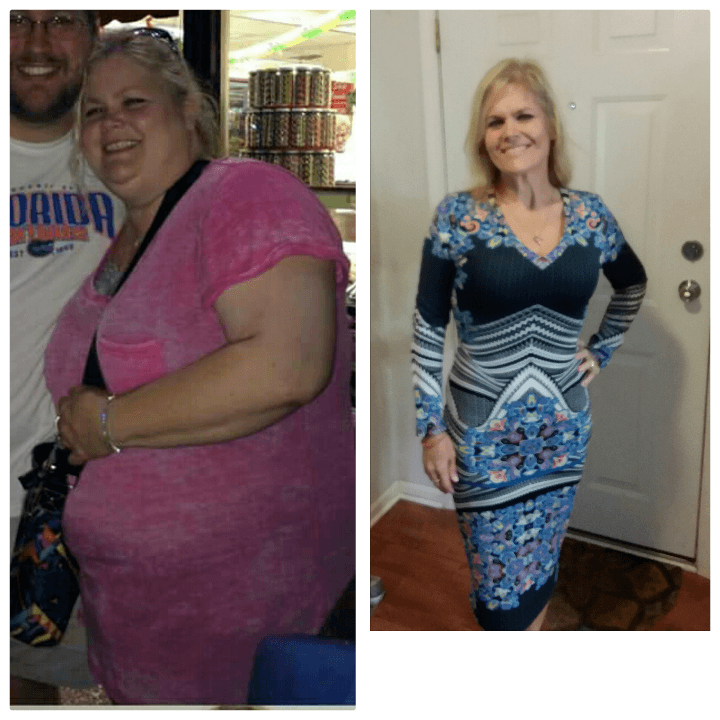
My heaviest weight before meeting Dr. Long was 324.9. One year after surgery, I weighed 150. Today I weigh 134.

Aside from the numbers, I now have increased energy and freedom from joint pain. I can run five miles now in the mornings with no problem. I play baseball with my kids and fit into amusement park rides easily (like I never did before). I can run up flights of stairs skipping every other stair. There are so many things I can do now that I never even knew I was missing. 

Immediately after beginning to lose weight, I was able to live without my diabetes medication. I was no longer diabetic. I no longer had high cholesterol, high triglycerides, high blood pressure, or sleep apnea. Just being free from all of those diseases and corresponding medications so quickly was a huge surprise to me. 

My biggest “non-scale victory” has to do with the fun and playfulness in my marriage now. My husband wants to carry me all the time. He picks me up and raises me over his head. We are able to have a lot more fun together now that we couldn’t have before due to my weight. 

The challenges from other people

While I had a lot of success, there are, of course, challenges. Especially in the beginning, everyone expected me to be able to eat as much as they did. They didn’t always understand that my portions would be smaller. People have also made comments about me being too skinny or needing to eat more. 

I have found it surprising that people often bring their own eating habits into the conversation, sometimes feeling as though they have to explain what they eat or why. I have seen insecurities in others and had negative comments about why they would never have surgery. 

Follow your heart

While there may be this type of negativity for you too, follow your own heart. So many people are scared of your changes from surgery, but I assure you that it will be the best decision of your life. I will never regret one minute of my surgery or the process. It is the best thing that could have ever happened to me. Dr. Long is my hero. He believed in me, and it changed my life.

Contact Us to Learn More About Gastric Bypass Surgery

Birmingham Minimally Invasive Surgery is a caring group of professionals who specialize in all types of bariatric surgery.  Our surgeon Dr. Jay Long has highly specialized training in bariatric surgery, having completed a fellowship in minimally invasive and bariatric surgery at The Methodist Hospital in Houston, Texas, where he focused on taking care of patients that are morbidly obese.  And we are so proud of our pricing that we publish the costs right on the front page of our website!  Insurance won’t pay?  We have a variety of financing options we can offer you so that you are able to get the healthy body you’ve wanted for years.  Visit us today at http://www.bmisurgery.com/ or give us a call to set up a consultation at 205-833-6907. 

Gastric Sleeve Cost: Understanding What You Need to Know

gastric bypass cost

Gastric Sleeve Cost

In this post, we’ll explore the gastric bypass diet and address common questions about what you can and can’t eat before and after surgery, and the cost of weight loss surgery. Bariatric surgery has been performed for decades, with both procedures and costs evolving. Diet is often a significant concern for those considering gastric bypass, but another critical question that arises early on is, “How much does gastric bypass surgery cost?” The cost of bariatric surgery can vary significantly, with procedures in the US being much higher than in countries like Mexico and Turkey, where patients can often find substantial savings. It is important to ensure the accuracy of information when comparing gastric sleeve costs and insurance coverage, as this helps patients make informed decisions. The range of costs for gastric sleeve surgery can be quite broad, depending on the location and provider, so understanding these variations is essential.

What is Gastric Bypass Surgery?

Gastric bypass surgery, also known as Roux-en-Y gastric bypass, is a medical procedure designed to help individuals with severe obesity lose weight and improve their overall health. This procedure is typically recommended for those with a body mass index (BMI) of 40 or higher or for individuals with a BMI of 35 or higher who suffer from obesity-related health conditions such as high blood pressure or type 2 diabetes.

During the surgery, the surgeon creates a small stomach pouch by dividing the stomach and then attaches a section of the small intestine directly to this pouch. This medical procedure physically alters the digestive system by rerouting food to bypass a significant portion of the stomach and the first part of the small intestine, which reduces the amount of food you can consume and the calories your body absorbs. The procedure is usually performed laparoscopically, involving several small incisions in the abdomen through which a camera and surgical instruments are inserted.

Gastric bypass surgery can be a highly effective way to lose weight and enhance overall health, but carefully weigh the risks and benefits. Choosing a qualified and experienced surgeon and facility ensures the best possible outcome.

Gastric Bypass Surgery Cost

To answer that question, the cost of gastric bypass surgery generally starts at $15,999 when paying out-of-pocket. For those opting for laparoscopic gastric bypass, the price can rise to approximately $18,500, similar to other bariatric procedures. In comparison, the costs associated with the gastric sleeve procedure can vary but are often similar, with average expenses including surgical costs, hospital stays, and follow-up care. Gastric sleeve costs and gastric sleeve surgery costs typically range from $14,000 to $18,000, making them a competitive alternative to gastric bypass for many patients.

These prices typically include the following:

  • Pre-operative testing, including blood work and EKG, if necessary
  • Pre-operative nutritional evaluation
  • The surgeon’s fee for the procedure
  • Anesthesiologist’s fee
  • Hospital fees, including one night’s stay after surgery
  • Post-operative consultation with a nutritionist within four weeks of surgery
  • Access to monthly support group meetings

Affordable payment options and a self-pay option are available for patients without insurance, making bariatric surgery accessible regardless of insurance status. Flexible payment options can help you find a solution that fits your budget.

Understanding your insurance company’s role in covering these costs is crucial, as policy coverage and eligibility criteria can significantly impact your out-of-pocket expenses. Working closely with your insurance company can help you manage your budget and minimize out-of-pocket costs. To reduce out-of-pocket costs, checking if gastric bypass surgery is a covered benefit under your health insurance plan is essential. Insurance covers gastric bypass surgery, but coverage can vary widely between plans, so it is important to check specific insurance policies for coverage details, including pre-operative expenses.

Choosing more affordable or budget-friendly options does not mean compromising on the quality of care or outcomes—our bariatric program maintains high standards of safety and patient-centered service.

Gastric Sleeve Surgery: Bypass Costs With and Without Insurance Coverage

Despite substantial evidence that weight loss surgery can significantly improve or even cure conditions like diabetes, high blood pressure, reflux disease, and sleep apnea, most insurance companies still do not cover the cost of gastric bypass or other types of weight loss surgery, with coverage varying depending on the specific insurance plan and state mandates. Many individuals may lack bariatric benefits in their health insurance plans, so exploring self-pay options is essential. For uninsured patients, the cost of surgery can be a significant barrier, but there are various payment options available, including self-pay packages and financing solutions. Most major insurance companies cover some of the costs associated with weight-loss surgery, so it is necessary to understand your insurance policies and the requirements for gaining coverage. Most people seeking bariatric surgery must demonstrate medical necessity to their insurance company to qualify for coverage.

If your insurance covers gastric bypass, it’s crucial to understand the specific requirements and coverage details fully. While insurance coverage might reduce the out-of-pocket cost, many policies require patients to complete a lengthy, physician-supervised diet plan, which can take up to seven months. Opting to pay for the procedure out-of-pocket allows you to embark on your journey toward better health without delay. For those considering financing, patients may need to qualify for certain payment options or financing plans based on credit or other criteria.

Preparing for Surgery

Preparing for weight loss surgery involves several essential steps to ensure you are ready for the procedure and the following lifestyle changes. Here’s a guide to help you get started:

  1. Consult with a Surgeon: Consult a qualified and experienced weight loss surgeon, as well as other doctors and healthcare professionals, to discuss your options and determine whether surgery is the right choice.
  2. Meet with a Dietitian: A registered dietitian can provide valuable guidance on the dietary changes you must make before and after surgery to ensure a smooth transition and successful weight loss.
  3. Undergo Medical Testing: Your surgeon may require various medical tests, such as blood work and imaging studies, to confirm you are healthy enough for surgery and identify potential risks.
  4. Stop Smoking: Smoking can significantly increase the risk of complications during and after surgery. It’s recommended to quit smoking at least two weeks before the procedure to lower these risks.
  5. Lose Weight: Losing weight before surgery can help reduce the risk of complications and improve the procedure’s overall success. Your surgeon or dietitian can provide a pre-surgery weight loss plan.
  6. Plan for Recovery: Arrange someone to drive you home after surgery and assist with daily tasks during recovery. Having a support system can make a significant difference in your recovery experience.

By following these steps, you can better prepare for the journey ahead and set the stage for a successful weight loss surgery. Maintaining focus on your health and preparation steps is essential to ensure the best possible outcome.

Recovery and Aftercare

Recovery from weight loss surgery is a gradual process that requires patience and adherence to your surgeon’s guidelines. Here’s what you can expect:

  1. Hospital Stay: After the surgery, you’ll typically spend one to three days in the hospital. This allows medical staff to monitor your initial recovery and manage any immediate post-operative needs.
  2. Pain Management: Your surgeon will prescribe pain medication to help manage any discomfort you may experience during the recovery period. It’s essential to follow the prescribed dosage and schedule.
  3. Dietary Changes: You must follow a liquid diet for several weeks after surgery. Gradually, as your body adjusts, you’ll transition to pureed foods and solid foods. Adhering to these dietary changes is crucial for healing and long-term success.
  4. Follow-up Appointments: Regular follow-up appointments with your surgeon are essential to monitor your progress, address concerns, and remove sutures or staples. These visits help ensure you are on the right track.
  5. Support Groups: Joining a support group can provide emotional support and practical advice from others who have undergone weight loss surgery. Sharing experiences and challenges can be incredibly beneficial during your recovery.

It is important to wait for your surgeon’s recommended time frames before resuming certain activities, such as exercise or trying to conceive, to ensure proper healing and optimal health outcomes.

Understanding what to expect and following your surgeon’s recommendations, you can navigate the recovery process more smoothly and achieve your weight loss goals. Integrating wellness practices into your recovery and long-term lifestyle can further support your overall well-being and success.

Choosing the Right Surgeon and Facility

Selecting the right surgeon and facility is critical in your weight loss surgery journey. Here are some key factors to consider:

  1. Experience: Look for a surgeon with extensive experience in performing weight loss surgery. Experienced surgeons are more likely to have refined their skills and techniques, leading to better outcomes.
  2. Certification: Ensure the surgeon is certified by the American Board of Surgery or the American Osteopathic Board of Surgery. Certification indicates that the surgeon has met rigorous education, training, and ethical practice standards. A committed care team is essential for patient success and safety, as their dedication ensures high standards are consistently maintained throughout your treatment.
  3. Facility Accreditation: Choose a facility accredited by a reputable organization, such as the American Society for Metabolic and Bariatric Surgery (ASMBS). Accredited facilities adhere to high standards of care and safety.
  4. Insurance Coverage: Verify that your health insurance plan covers the facility and surgeon. Understanding your insurance coverage can help you manage costs and avoid unexpected expenses.
  5. Reputation: Research the surgeon and facility’s reputation online. Look for reviews, testimonials, and any awards or recognitions. Additionally, ask for referrals from friends or family members who have undergone weight loss surgery.

By carefully considering these factors, you can choose a surgeon and facility to provide the best care and support for your weight loss journey. The advantage of selecting a highly experienced and accredited facility is the increased likelihood of achieving safe, successful, and long-lasting results.

Bariatric Surgery: What You Get at Birmingham Minimally Invasive Surgery

Not all weight loss surgery centers are the same, nor are all bariatric surgeons. At Birmingham Minimally Invasive Surgery, Dr. Jay Long, our highly specialized bariatric surgeon, leads the team. Dr. Long completed a fellowship in minimally invasive and bariatric surgery at The Methodist Hospital in Houston, Texas, focusing on treating patients suffering from severe obesity. According to the National Institute of Diabetes and Digestive and Kidney Diseases, obesity is linked to severe health conditions like digestive and kidney diseases, which insurance companies recognize as increased risks.

Dr. Long’s extensive experience is brought to bear at BMI Surgery, where our team excels in helping patients achieve long-term, sustainable weight loss. Our facilities are specifically designed for procedures like gastric bypass, endoscopic sleeve gastroplasty, and other weight loss surgeries, ensuring patients have a comfortable and practical experience. Endoscopic sleeve gastroplasty is a minimally invasive option that offers a less invasive alternative to traditional bariatric surgery.

When you visit us, Dr. Long will provide a personalized, one-on-one consultation to discuss weight loss surgery. This allows you to choose the best weight loss option for your needs. Additionally, our multidisciplinary team offers continued support through monthly meetings, a pre-surgery nutrition class, and tailored high-protein diets to help you achieve and maintain your weight loss goals.

Our personalized approach ensures patients can reach their weight loss goals, leading to healthier, happier lives. With our support and expertise, you can move forward with confidence in your weight loss journey. Please feel free to contact us today to begin your weight loss journey.

Next Steps and Support

After weight loss surgery, a robust support system is crucial to help you navigate recovery and maintain a healthy lifestyle. Here are some next steps to consider:

  1. Follow-up Appointments: Schedule regular follow-up appointments with your surgeon to monitor your progress, address any concerns, and ensure you are on track with your weight loss goals.
  2. Support Groups: Joining a support group can provide a sense of community and connection with others who have undergone weight loss surgery. Sharing experiences and advice can be incredibly supportive and motivating.
  3. Nutrition Counseling: Work with a registered dietitian to develop a personalized nutrition plan. Ensuring you get the necessary nutrients is vital for your health and weight loss success.
  4. Exercise Program: Develop an exercise program tailored to your abilities and goals. Regular physical activity can help you maintain a healthy weight, improve overall health, and lower the risk of complications.
  5. Mental Health Support: Consider seeking mental health support to address any emotional challenges that may arise during your recovery. A mental health professional can provide strategies to cope with stress, anxiety, or other issues.

By following these steps and having a strong support system, you can set yourself up for success and achieve your weight loss goals, leading to a healthier and happier life.

Weight Loss Surgery: Contact Us to Learn More

Birmingham Minimally Invasive Surgery is dedicated to providing compassionate and expert care in all forms of bariatric surgery. Our lead surgeon, Dr. Jay Long, has extensive specialized training in bariatric surgery, including a fellowship in minimally invasive and bariatric surgery from The Methodist Hospital in Houston, Texas.

We believe in transparency, so we openly publish our pricing on our website. Understanding your bariatric benefits can help you navigate the costs and make informed decisions about your weight loss surgery. If your insurance won’t cover the cost and you’re concerned about affordability, we offer various financing options to help make your weight loss surgery more accessible. Additionally, multiple methods are available to pay for weight loss surgery, including payment plans provided by some surgeons and hospitals. Take the first step toward the healthy body you’ve always wanted by visiting us at http://www.bmisurgery.com/ or calling us for a consultation at 205-833-6907. Weight loss surgery can be an effective solution to help you lose weight and achieve your health goals.