Category: Gastric Bypass

All You Wanted to Know About the Pre-Op Gastric Bypass Diet

Two women following the gastric bypass diet

gastric bypass dietGastric Bypass Diet

When people are considering gastric bypass surgery, one thing they are often very curious about is the gastric bypass diet. What will they be able to eat before surgery? What can they eat after surgery? 

This can be a source of stress and anxiety, but it doesn’t have to be. Education beforehand is key to making this transition in your life as seamless as possible. 

To change your eating habits, you will talk extensively with your doctor — Dr. Jay Long — and possibly a dietician as well to come up with the right plan for you, before and after surgery. Remember that following this plan will help you lose weight safely. 

Pre-op gastric surgery diet

We will help you make a plan for a special diet you will need to follow before surgery. This pre-op diet is geared toward reducing the amount of fat in and around your liver to reduce the risk of complications during the surgery. 

Reducing this fat in and around your liver and abdomen may allow you to have a laparoscopic rather than open surgery, which is always our preference at Birmingham Minimally Invasive. This option is less invasive and requires much less recovery time. Overall, it’s easier on your body, so following this pre-op diet so that you can have laparoscopic surgery, if possible, is important.

Starting to make changes in your diet before surgery will also help you start getting used to a new way of eating. This is a lifelong change, so the sooner you start, the better. Your eating plan may begin as soon as you are cleared for the procedure.

Guidelines are individualized for each patient, but may include:

  • Eliminating or decreasing saturated fats, such as whole milk products, fatty meat, and fried food
  • Eliminating or decreasing foods that are high in carbohydrates, such as sugary desserts, pasta, potatoes, and bread
  • Eliminating high-sugar beverages, such as juice and sodas
  • Practicing portion control
  • Avoiding binge eating
  • Quitting smoking
  • Avoiding alcoholic beverages and recreational drugs
  • Not drinking beverages with meals
  • Taking a daily multivitamin
  • Taking protein supplements

With your pre-op diet, you will likely be drinking protein shakes and eating other high-protein, low-calorie foods that are easy to digest. As you get closer to your surgery date, you may need to follow a mostly liquid or liquid-only diet. Based on your weight and overall health, you may be able to eat some solids during this time, such as fish, watered-down hot cereal, or soft-boiled eggs.

Post-op gastric bypass diet

After your surgery, we will tailor a post-op diet specifically for you. It will consist of several weekly phases to help you recover, meet the needs of your smaller stomach, and get used to healthier eating habits.

The post-op gastric bypass diet is designed to:

  • Allow your stomach to heal without being stretched by the food you eat
  • Get you used to eat smaller amounts of food that your smaller stomach can comfortably and safely digest
  • Help you lose weight and avoid gaining weight
  • Avoid side effects and complications from the surgery

A gastric bypass post-op diet typically follows a staged approach to help you ease back into eating solid foods. How quickly you move from one step to the next depends on how fast your body heals and adjusts to the change in eating patterns. You can usually start eating regular foods about three months after surgery.

With each stage it will be important that you do the following:

  • Drink 64 ounces of fluid a day to avoid dehydration
  • Sip liquids between meals, not with meals (This means waiting about 30 minutes after a meal to drink anything and avoiding drinking 30 minutes before a meal.)
  • Eat and drink slowly to avoid dumping syndrome (This occurs when foods and liquids enter your small intestine rapidly and in larger amounts than normal, causing nausea, vomiting, dizziness, sweating, and diarrhea.)
  • Eat lean, protein-rich foods daily
  • Choose foods and drinks that are low in fats and sugar
  • Avoid alcohol
  • Limit caffeine, which can cause dehydration
  • Take vitamin and mineral supplements daily
  • Chew thoroughly to a pureed consistency before swallowing

Stage 1 — Liquids

For the first day or two after surgery, you’ll only be allowed to drink clear liquids. Once you’re handling clear liquids, you can start having other liquids, such as broth; unsweetened juice; decaffeinated tea or coffee; milk (skim or 1 percent); and sugar-free gelatin or popsicles.

Stage 2 — Pureed foods

After about a week and if you are tolerating liquids well, you will begin eating strained and pureed foods. You will be able to eat three to six small meals a day, and each one will consist of four to six tablespoons of food. It should take you about 30 minutes to eat each meal. 

It will be important to choose foods that will puree well, such as lean ground meat, poultry, or fish; cottage cheese; soft scrambled eggs; cooked cereal; soft fruits and cooked vegetables; and strained cream soups. You may need to blend solid foods with a liquid like water, skim milk, no sugar added juice, or broth. 

Stage 3 — Soft foods

We will be keeping up with you during this entire process, and if your progress has been good, you will be able to add soft foods to your diet. Soft foods should be small, tender, and easy to chew. You will be able to have three to five small meals a day, and each meal should consist of one-third to one-half cup of food.

Soft foods include ground lean meat or poultry; flaked fish; eggs; cottage cheese; cooked or dried cereal; rice; canned or soft fresh fruit, without seeds or skin; cooked vegetables, without skin.

Stage 4 — Solid foods

The previous three steps take around eight weeks. If things are going well, at this time you will be able to gradually return to eating more solid foods. We often recommend starting with three meals a day and having each meal consist of 1 to 1.5 cups of food. It’s important to stop eating before you feel completely full.

It’s a good idea to add new foods back one at a time. Certain foods may cause pain, nausea, or vomiting after gastric bypass surgery. Foods that can cause problems at this stage include bread; carbonated drinks; raw vegetables; cooked fibrous vegetables; tough meats; red meat; fried foods; high seasoned or spicy foods; nuts and seeds; and popcorn. Over time, you may be able to try some of these foods again with the guidance of your doctor.

Stage 5 — Your new healthy diet

The gastric bypass diet can help you recover from surgery and transition to a way of eating that is healthy and supports your weight-loss goals. When you get to this point, you have been through a lot. But you will have learned a lot. By this time, most patients are very motivated to keep up the healthy habits they have learned, and we are confident that you will be too. 

Contact Us to Learn More About Gastric Bypass Surgery

Birmingham Minimally Invasive Surgery is a caring group of professionals who specialize in all types of bariatric surgery.  Our surgeon Dr. Jay Long has highly specialized training in bariatric surgery, having completed a fellowship in minimally invasive and bariatric surgery at The Methodist Hospital in Houston, Texas, where he focused on taking care of patients that are morbidly obese.  And we are so proud of our pricing that we publish the costs right on the front page of our website!  Insurance won’t pay?  We have a variety of financing options we can offer you so that you are able to get the healthy body you’ve wanted for years.  Visit us today at http://www.bmisurgery.com/ or give us a call to set up a consultation at 205-833-6907. 

An in depth look at gastric sleeve surgery & alternatives

gastric sleeve surgery

gastric sleeve surgeryDid you know that sleeve gastrectomy, also known as gastric sleeve surgery, is the most frequently performed bariatric procedure in the U.S.? It’s an option many of our patients at Birmingham Minimally Invasive Surgery choose as well. 

To qualify for weight loss surgery, your body mass index (BMI) must be greater than or equal to 40 or between 30 and 40 with other medical problems, such as diabetes, sleep apnea, heart disease, or high blood pressure. In addition to these requirements, gastric sleeve and alternatives are options for those who have not been successful losing weight through diet and exercise alone. These procedures, along with lifestyle modifications, such as the right proportion of healthy food and exercise, can help improve your overall health and quality of life.

So gastric sleeve surgery is a great solution for many, but there are other choices. Why should you choose one over the other? We will explore three common procedures in this blog post to help you learn more, and as always, our surgeon and staff will be happy to discuss with you more.

Gastric sleeve surgery explained 

Gastric sleeve surgery works by changing the structure and reducing the size of your stomach. About two-thirds of your stomach is surgically removed during this procedure. You benefit from a smaller stomach which fills up more quickly. This limits the quantity of food you eat and the amount of calories absorbed by your body. The surgery results in a stomach that functions normally and enables you to eat most foods, just in smaller amounts.

Gastric sleeve surgery is a simpler procedure and helps avoid the associated risks of an intestinal bypass. It typically takes only about 30 to 45 minutes and  is performed laparoscopically. This means we avoid the need for large abdominal incisions, which typically results in less pain, shorter hospital stays, and faster recovery.

Considerations for gastric sleeve surgery: 

  • Stomach tube may stretch over time, leading to late weight regain
  • If weight is regained, a second stage operation known as duodenal switch or Roux-en-Y gastric bypass can be performed
  • The procedure is not reversible
  • There is no malabsorption of nutrients
  • Not an option for patients with severe reflux disease

Gastric sleeve surgery alternative #1: LAP-BAND

In the LAP-BAND procedure, a hollow band made of special material is placed around the stomach near its upper end, creating a small pouch and a narrow passage into the larger remainder of the stomach. The band is then inflated with a salt solution. It can be tightened or loosened over time to change the size of the passage by increasing or decreasing the amount of salt solution. The entire procedure is done laparoscopically as well and induces weight loss by reducing the capacity of the stomach. This restricts the amount of food that can be consumed.

LAP-BAND is usually performed in the outpatient surgery center, and you are usually discharged the same day of the procedure.

Considerations for LAP-BAND:

  • Least invasive surgical option
  • No intestinal re-routing
  • No cutting or stapling of the stomach wall or bowel
  • Reduced pain, hospital length-of-stay, and recovery period
  • Lower mortality risk than other obesity surgery procedures
  • Low risk of nutritional deficiencies associated with gastric bypass
  • Reduced risk of hair loss
  • No “dumping syndrome” related to dietary intake restrictions

The lap band procedure is also adjustable and reversible. It allows for an individualized degree of restriction for ideal, long-term weight loss, and adjustments can be made without additional surgery. The band can also be removed, allowing the stomach and other anatomy to be restored to their original forms and functions.

While there are many benefits to LAP-BAND, it isn’t an overnight fix. We often have to work with patients to find their “happy place.” This involves finding the right fit so that you can eat freely but also maintain smaller portion sizes. This is where band adjustments come into play, which could be a process that takes a little time to perfect.

Gastric sleeve surgery alternative #2: Gastric bypass

Gastric bypass has the longest track record in the U.S., having been performed since 1967. It combines “restriction” and “malabsorption.” With restriction, we are creating a stomach pouch that holds 1 to 2 ounces. It is very effective in obtaining and maintaining long-term weight loss.

During the laparoscopic procedure, a small stomach pouch is created to restrict food intake. Next, a Y-shaped section of the small intestine is attached to the pouch to allow food to bypass the lower stomach, the duodenum (the first segment of the small intestine), and the first portion of the jejunum (the second segment of the small intestine). This bypass reduces the absorption of nutrients and thereby reduces calorie intake.

Gastric bypass is an inpatient procedure requiring a hospital stay of 1 to 2 nights. The surgery takes about 60 to 120 minutes.

Considerations for gastric bypass:

  • Rapid weight loss in the first six months
  • Best operation to cure diabetes, high blood pressure, and sleep apnea
  • Tend to lose more weight than patients after gastric band or gastric sleeve
  • Longer recovery time
  • Not considered reversible, but could be reversed if medically necessary
  • Staple line can leak after surgery
  • Minor late weight regain (10-20%) after 2 to 5 yrs
  • Nutritional/mineral supplements required for life

As you can see, there are advantages and disadvantages to each option, and which one is best for you will depend greatly on your individual situation. The good news is that you don’t have to figure it out alone! Our surgeon, Dr. Jay Long, is extremely experienced in working with each patient to consider their needs and issues to find the right option.

Contact us to learn more about gastric sleeve and other weight loss surgery options.

Birmingham Minimally Invasive Surgery is a caring group of professionals who specialize in all types of bariatric surgery.  Our surgeon Dr. Jay Long has highly specialized training in bariatric surgery, having completed a fellowship in minimally invasive and bariatric surgery at The Methodist Hospital in Houston, Texas, where he focused on taking care of patients that are morbidly obese.  And we are so proud of our pricing that we publish the costs right on the front page of our website!  Insurance won’t pay?  We have a variety of financing options we can offer you so that you are able to get the healthy body you’ve wanted for years.  Visit us today at http://www.bmisurgery.com/ or give us a call to set up a consultation at 205-833-6907. 
Everything you need to know about the gastric bypass procedure

gastric bypass procedure

gastric bypass procedureIf you are interested in pursuing bariatric weight loss surgery, you have probably heard of gastric bypass surgery (also called roux-en-Y gastric bypass). It is a great treatment option if you are dealing with weight-related health problems and hoping to lose weight and keep it off long-term. It is one of the most commonly performed bariatric surgeries in the United States, and it has a track record of effectiveness. 

If you think this may be the right option for you, we know that you probably have many questions, especially about the gastric bypass procedure itself. We will take you through the process step by step in this post. 

What to expect with the gastric bypass procedure

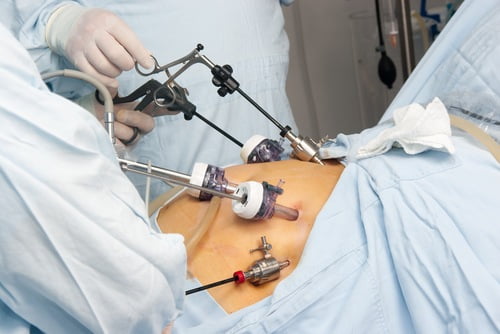
Prior to the procedure, you will be given a general anesthetic. This will allow you to be asleep throughout the duration of the surgery, and you will not feel any pain. At Birmingham Minimally Invasive Surgery, we perform laparoscopic gastric bypass, so once you are asleep, your surgeon will create six small surgical openings on your abdomen. The laparoscope and small surgical instruments are introduced through these openings.

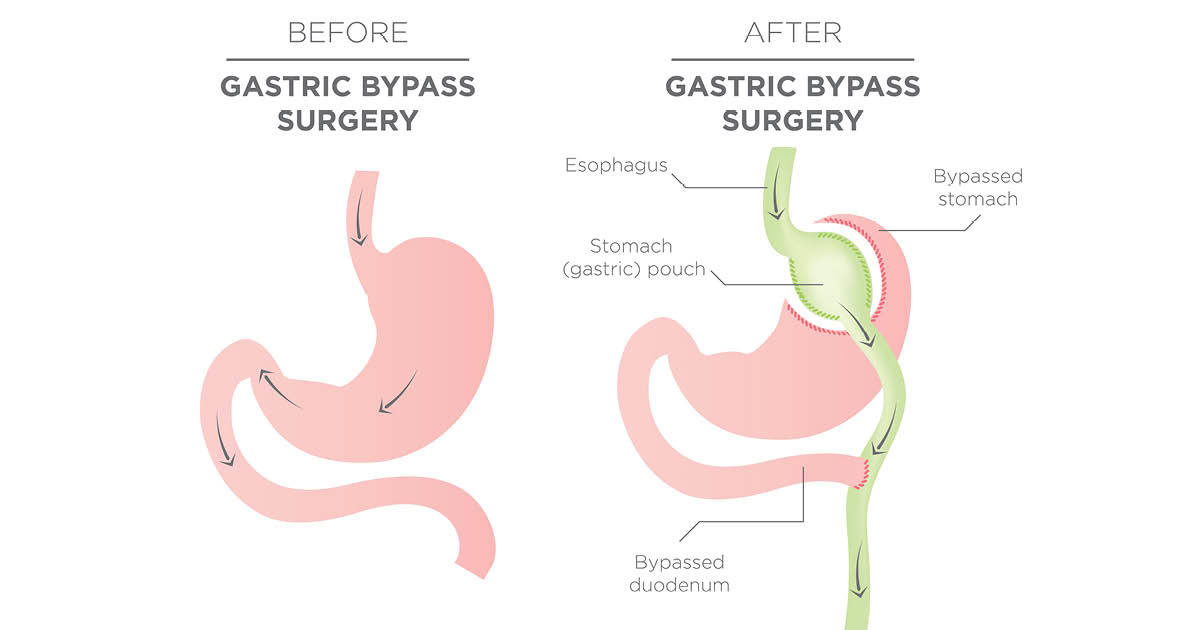
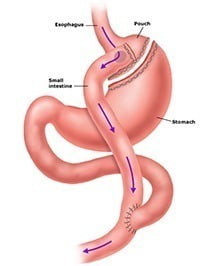
During the procedure, your surgeon will divide your stomach and reroute your small intestine to create a small stomach pouch and new digestive route. The small stomach pouch will restrict your food intake. 

A Y-shaped section of the small intestine is attached to the pouch to allow food to bypass the lower stomach, the duodenum (the first segment of the small intestine), and the first portion of the jejunum (the second segment of the small intestine). This bypass route reduces the absorption of nutrients, which also reduces the calorie intake. At the end of the surgery, your surgeon will check the new connections to make sure there are no leaks.

The surgery typically takes one to two hours and requires a stay of at least one night in the hospital. 

After the gastric bypass procedure

While that’s it for the procedure itself, we want to share more information about exactly what happens after the procedure. Depending on your condition, you may be given a clear-liquid diet the day of your surgery. You may be able to start a pureed diet before you go home. You will be given medications to help alleviate any pain or discomfort. We will also instruct you on a special diet plan to follow after surgery. You may have restrictions or limits on how much and what you can eat and drink.

We will ask you to come in for regular checkups to monitor your health in the first several months after your gastric bypass procedure. You may need laboratory testing, blood work, and other various exams. We will also be monitoring your weight loss.

By restricting your stomach’s ability to hold food, you will naturally eat less and feel full sooner. This often allows patients to rapidly lose weight and regain control of their lives. With our competitive pricing options and the help of our experienced surgeon and staff, you’ll be able to lose weight and start feeling better physically and mentally. Find more information about gastric bypass costs here.

Contact Us to Learn More About Gastric Bypass Surgery

Birmingham Minimally Invasive Surgery is a caring group of professionals who specialize in all types of bariatric surgery.  Our surgeon Dr. Jay Long has highly specialized training in bariatric surgery, having completed a fellowship in minimally invasive and bariatric surgery at The Methodist Hospital in Houston, Texas, where he focused on taking care of patients that are morbidly obese.  And we are so proud of our pricing that we publish the costs right on the front page of our website!  Insurance won’t pay?  We have a variety of financing options we can offer you so that you are able to get the healthy body you’ve wanted for years.  Visit us today at http://www.bmisurgery.com/ or give us a call to set up a consultation at 205-833-6907. 
EVERYTHING YOU NEED TO KNOW ABOUT GASTRIC BYPASS SURGERY

illustration depicting what a stomach looks like before and after gastric bypass surgery

gastric bypass surgery


Carrying excess body weight takes a toll on you, not just physically but mentally as well. The longer you stay overweight, the higher your risk of developing life-threatening, weight-related health problems. For many, diet and exercise alone are insufficient for shedding excess body fat.

To qualify for gastric bypass surgery, you must meet specific requirements, such as BMI calculations and healthcare provider recommendations.

Because of the increased health risks associated with obesity, bariatric surgery has become one of the safest and most effective treatment options. Gastric bypass surgery, also called Roux-en-Y Gastric Bypass, is one of the most commonly performed weight loss procedures in the United States and has a long track record of success. If you are considering weight loss surgery, here are a few things about laparoscopic gastric bypass.

What is gastric bypass surgery?

Gastric bypass surgery performed is an inpatient procedure that typically takes 1-2 hours. There are different types of gastric bypass surgery performed, including techniques such as laparoscopy. A small stomach pouch is created to limit your food intake. The next step is to attach a Y-shaped section of the small intestine directly to the new stomach pouch. By doing this, food will skip part of the digestive system so that you will absorb fewer calories and nutrients.

Why should you consider bariatric surgery?

Gastric bypass surgery has been performed in the United States since 1967. It has the longest track record of all bariatric surgery options and has proven effective in obtaining and maintaining long-term weight loss.

Body mass index (BMI) is a key factor in determining eligibility for gastric bypass surgery. Individuals with a specific BMI may qualify for the surgery.

For most patients, 66% of weight loss occurs within the first 6 to 8 months after surgery, allowing patients to lose weight rapidly and keep it off. Because the surgery has been performed for over 50 years, we have more long-term data to support its effectiveness. For instance, at the 10-year mark, the average gastric bypass patient has lost 70% of their excess weight and successfully kept it off.

What is the laparoscopic surgery procedure like?

Before the procedure, you will be given a general anaesthetic to allow you to sleep through the surgery and prevent you from feeling any pain. Once you are asleep, your surgeon will create 6 small surgical openings on your abdomen. These openings will be used to insert a small camera and surgical instruments to perform the laparoscopic surgery, which offers advantages such as smaller incisions and faster recovery.

During the procedure, your surgeon will divide your stomach and reroute your small intestine to create a small stomach pouch and a new digestive route. The entire surgery typically takes 1 to 2 hours and requires a 1 night hospital stay.

What kind of diet do you need to follow after gastric bypass surgery?


You will have to change your diet after gastric bypass surgery. Sticking to your doctor’s diet plan to achieve long-term success and avoid any complications or nutritional issues is crucial.

The gastric bypass post-op diet starts with clear liquids and allows you to slowly work up to incorporating more solid foods. While it is possible to include most foods back into your diet after surgery, starchy options like rice, pasta, and high volumes of processed foods should be avoided.

Your stomach will be smaller, and you will feel full quickly, so it is essential to strategically plan your meals to ensure you get the necessary nutrients. Rerouting the small intestine will also affect how your body processes nutrients. You must incorporate ongoing nutritional supplements and vitamins to prevent dietary deficiencies as part of your new diet.


What are the benefits of gastric bypass surgery?

One key benefit of gastric bypass surgery is losing weight rapidly and maintaining it long-term. By restricting your stomach’s ability to hold food, you will naturally eat less and feel full sooner. You can also expect lasting results. The average patient can lose and maintain their weight loss long-term.

Gastric bypass patients tend to lose more weight than those who undergo gastric band or sleeve gastrectomy. Gastric bypass is regarded as one of the best operations to cure diabetes, high blood pressure, and sleep apnea in patients who are severely overweight.

What are some of the disadvantages of gastric bypass surgery?

Like any surgery, there are also a few drawbacks to consider. Gastric bypass involves a more complicated procedure than other bariatric surgeries, like gastric sleeve. Because of this, there is a chance that the staple line will leak after surgery, an increased chance of developing ulcers, and a chance of developing an internal hernia, which occurs if the intestine twists on itself. Additionally, there is a risk of developing blood clots as a potential complication of gastric bypass surgery. Nutritional supplements are also required for life to ensure you stay healthy and maximize the effects of the surgery.

Is gastric bypass surgery right for you? 

Gastric bypass is a great treatment option for anyone dealing with weight-related health problems and looking to lose weight and keep it off long-term. As one of the most commonly performed bariatric surgeries in the United States, gastric bypass has a track record of effectiveness. It allows patients to lose weight and regain control of their lives rapidly. Metabolic and bariatric surgery are alternative options for weight loss in cases of moderate to high-risk obesity, especially when diet and exercise have not been effective. With our competitive pricing options and the help of our experienced surgeon and staff, you’ll be able to lose weight and start feeling great.


CONTACT US TO LEARN MORE ABOUT GASTRIC BYPASS SURGERY

Birmingham Minimally Invasive Surgery is a caring group of professionals specializing in all types of bariatric surgery. Our surgeon, Dr. Jay Long, has highly specialized training in bariatric surgery, having completed a fellowship in minimally invasive and bariatric surgery at The Methodist Hospital in Houston, Texas, where he focused on taking care of patients who are morbidly obese. And we are so proud of our pricing that we publish the costs right on the front page of our website! Insurance won’t pay?  We offer various financing options to get the healthy body you’ve wanted for years. Visit us today at www.bmisurgery.com or call us to set up a consultation at 205-833-6907.*

What You Should Know About A Gastric Bypass

weight loss

Gastric bypass surgery is a very effective procedure to help patients lose weight and cure the medical problems that occur when you are morbidly obese. It has excellent long-term success, and patients have a much healthier and happier life.

This surgery involves reducing the stomach size and rearranging your intestines, and as a result, you feel full much sooner after meals. Also, you don’t absorb as many calories as you eat, and you don’t have the same hunger mechanism. These aspects of gastric bypass along with eating a healthy diet and exercising will be the key to a successful weight loss journey.

Before and During the Day of Surgery

It is necessary to undergo a health assessment so that your physician is aware of your medical and surgical history. After meeting with the physician, he will request blood tests, and if necessary, an EKG and a chest X-ray. You will also attend a nutrition and prep class to help you prepare for this surgery.

In order to prepare your body for the surgery, you will need to undergo a special diet for one to two weeks prior to the operation. This pre-op diet is important because it will shrink the size of your liver, which sits on top of your stomach. You will not be allowed to drink or eat anything after midnight before your surgery.

Immediately After Surgery

Expect to stay overnight in the hospital, as you will need to be monitored for any potential complications. Immediately after surgery, it is normal to feel slightly sore, and the nurses will administer the necessary medications to keep the pain to a minimum. You will be expected to walk as soon as possible on the day of surgery. Early ambulation will help prevent blood clots and will speed up the recovery process.

2-3 Days After Surgery

You should be off of the pain medication. Try to stay active, but don’t overdo it. You will need to start slowly increasing your exercise regimen. You will have a dietary guideline that will help you to maintain a low calorie, high protein diet.

2-4 Weeks After Surgery

You should be increasing your exercise regimen. You will have a follow-up appointment with the surgeon and the nutritionist. You will need to start the bariatric supplements as recommend in the pre-op education class.

What You Should Know About Gastric Bypass Surgery?


Gastric Bypass Surgery for Weight LossGastric bypass surgery is a very effective procedure to help patients lose weight and cure the medical problems that occur when they are morbidly obese. It has excellent long-term success, and patients have a much healthier and happier life.

This surgery involves reducing the stomach size and rearranging your intestines, and as a result, you feel full much sooner after meals. Also, you don’t absorb as many calories as you eat, and you don’t have the same hunger mechanism. These aspects of gastric bypass along with eating a healthy diet and exercising will be the key to a successful weight loss journey.

Before and During the Day of Surgery:

It is necessary to undergo a health assessment so that your physician is aware of your medical and surgical history. After meeting with the physician, he will request blood tests, and if necessary, an EKG and a chest X-ray. You will also attend a nutrition and prep class to help you prepare for this surgery.

In order to prepare your body for the surgery, you will need to undergo a special diet for one to two weeks prior to the operation. This pre-op diet is important because it will shrink the size of your liver, which sits on top of your stomach. You will not be allowed to drink or eat anything after midnight before your surgery.

Immediately After Surgery:

Expect to stay overnight in the hospital, as you will need to be monitored for any potential complications. Immediately after surgery, it is normal to feel slightly sore, and the nurses will administer the necessary medications to keep the pain to a minimum. You will be expected to walk as soon as possible on the day of surgery. Early ambulation will help prevent blood clots and will speed up the recovery process.

2-3 Days After Surgery:

You should be off of the pain medication. Try to stay active, but don’t overdo it. You will need to start slowly increasing your exercise regimen. You will have a dietary guideline that will help you to maintain a low-calorie, high-protein diet.

2-4 Weeks After Surgery

You should be increasing your exercise regimen. You will have a follow-up appointment with the surgeon and the nutritionist. You will need to start the bariatric supplements as recommended in the pre-op education class.

Conclusion:

If you are considering gastric bypass surgery, be sure to talk to us and see if it is right for you. To learn more about gastric bypass surgery and to schedule a consultation with a qualified surgeon, please visit our website or call us at 205-833-6907.