Category: Weight Loss Surgery

Are you a candidate for gastric sleeve surgery?

Image of tape measurer with text reading gastric sleeve requirements

Image of tape measurer with text reading gastric sleeve requirements


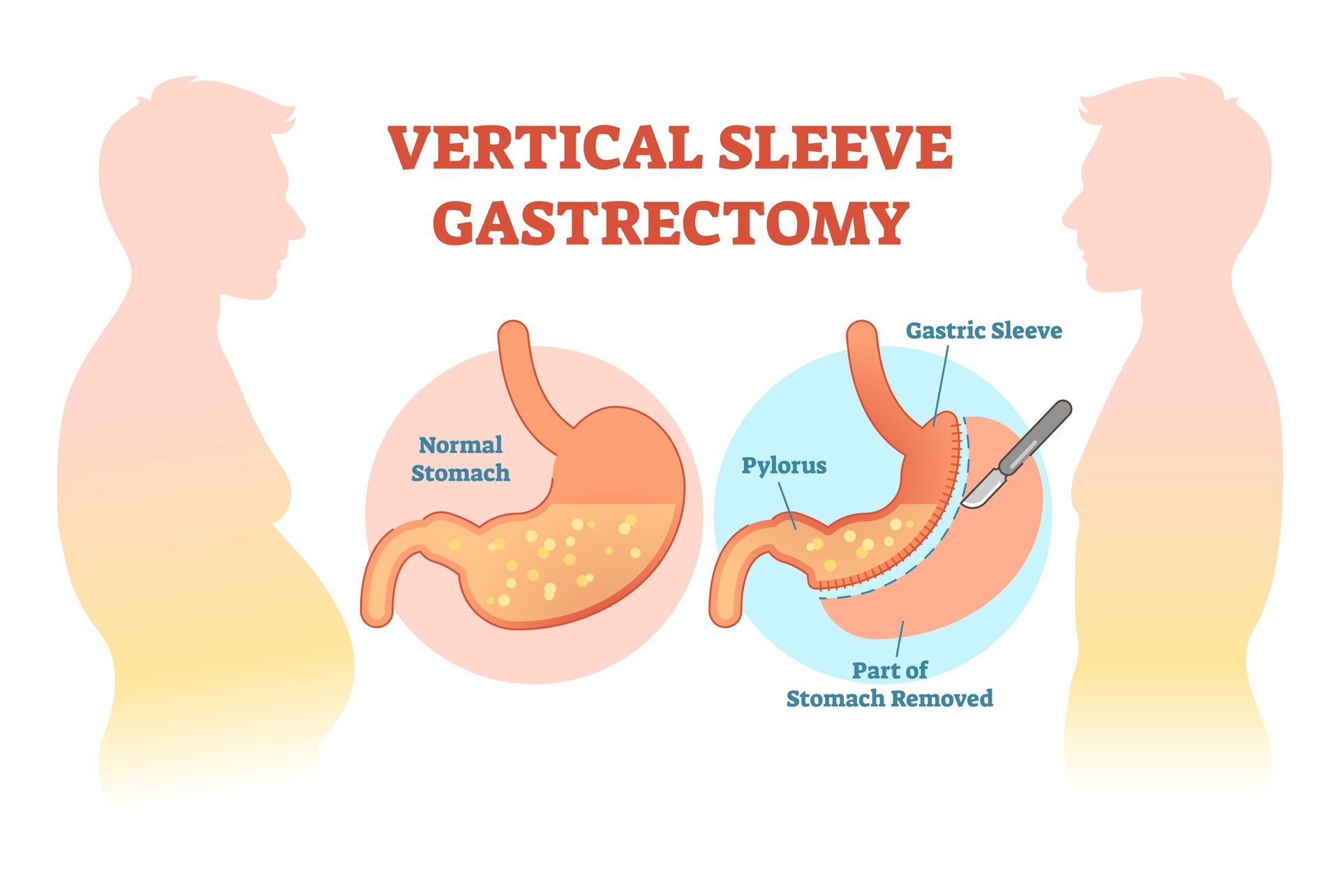
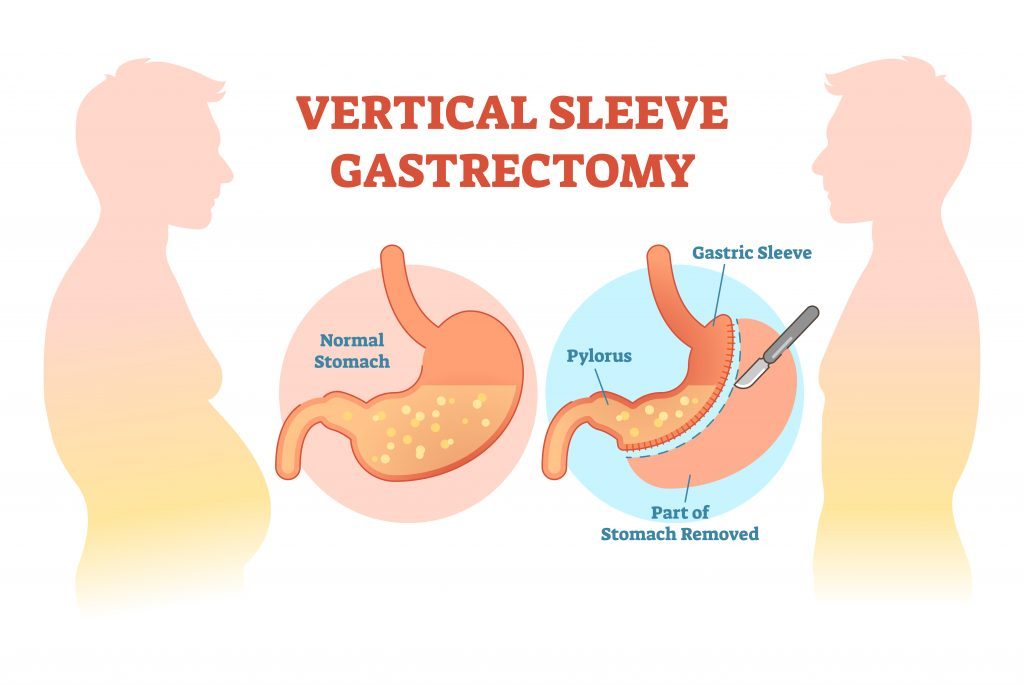
Gastric sleeve surgery, also known as sleeve gastrectomy, is commonly performed on patients who are classified as morbidly obese and at high risk for weight-related health problems. During this laparoscopic surgery, a surgeon permanently removes 80-90% of your stomach, creating a tube or “sleeve” which can only hold a limited amount of food allowing patients to feel full and lose weight quicker. So, who is the best candidate for gastric sleeve surgery?


What are the minimum requirements for gastric sleeve surgery?


One of two basic requirements must be met to qualify for gastric sleeve surgery:

    1. Have a body mass index (BMI) of 40 or higher
    2. Have a BMI of 30-40 with serious weight-related health problems like diabetes, high blood pressure or heart disease

BMI is a formula that calculates the ratio of your height and weight and correlates to the amount of body fat you have. On average, a BMI of 40 is equivalent to being 100 pounds overweight for men and 80 pounds overweight for women.


What to do next if you qualify for gastric sleeve surgery


Once you determine that you meet the basic requirements for gastric sleeve surgery, the next step is to decide whether or not you will use insurance to cover the cost. You can contact your provider to see if gastric sleeve is covered under your plan and, from there, you can request more information about their coverage criteria and required documentation.

Most insurance companies cover bariatric surgery; however, their individual requirements may vary based on the type of surgery. With insurance, there is often a longer approval process and more requirements than private pay, so we recommend scheduling a consultation with us to learn more about your payment options.


What are some of the requirements for insurance approval of gastric sleeve surgery?


If gastric sleeve coverage is included in your insurance policy, then you will have to meet your provider’s criteria in order to obtain approval. Requirements often vary based on the provider. For example, some have significantly higher BMI requirements, but will lower the required number if lung or heart issues are also a factor.

The best thing to do is to request a list of your coverage criteria and begin collecting the necessary documentation as soon as possible. This may include proof that you have undergone a medically supervised diet program prior to surgery or a letter of medical necessity. A psychological evaluation may also be required before approval for surgery is granted.

At Birmingham Minimally Invasive Surgery, we will work with you and your insurance provider to make sure you obtain all of the necessary documentation to meet your provider’s specific requirements.


What are some reasons you may not qualify for gastric sleeve surgery?


There are cases that may make you ineligible for gastric sleeve surgery. A few of these include:

    • A BMI that does not meet the minimum requirements
    • An anticipated pregnancy within two years
    • High operative risk (i.e. severe heart disease)
    • Abnormal esophagus, stomach or intestine
    • Severe Gastroesophageal Reflux Disease (GERD)

If you do not meet the requirements for gastric sleeve surgery, there are other weight loss options like the ORBERA® gastric balloon.


Requirements for gastric sleeve surgery: Insurance or private pay?


If you are considering gastric sleeve surgery, it is important to also consider your payment options and the requirements that come with them. While most insurance companies cover bariatric surgery, it can be a lengthy process collecting all of the necessary documentation and waiting for approval to be granted. Private pay allows you to avoid the waiting game, however surgery costs will have to come out of pocket.

With our 2019 gastric sleeve price of $8,999, our goal at BMI is to make losing weight a more attainable goal for our patients. Whether you choose to pursue private pay or insurance coverage, we will work with you to help you meet the requirements so you can lose weight and start feeling great.


CONTACT US TO LEARN MORE ABOUT GASTRIC SLEEVE REQUIREMENTS 

Birmingham Minimally Invasive Surgery is a caring group of professionals who specialize in all types of bariatric surgery.  Our surgeon Dr. Jay Long has highly specialized training in bariatric surgery, having completed a fellowship in minimally invasive and bariatric surgery at The Methodist Hospital in Houston, Texas, where he focused on taking care of patients that are morbidly obese. And we are so proud of our pricing that we publish the costs right on the front page of our website!  Insurance won’t pay?  We have a variety of financing options we can offer you so that you are able to get the healthy body you’ve wanted for years.  Visit us today at www.bmisurgery.com or give us a call to set up a consultation at 205-833-6907.

How much does gastric sleeve surgery cost with and without insurance?

Tape measure on top of cash


Tape measure on top of cash


Severe obesity affects millions of Americans and brings with it a host of potentially life-threatening health problems. Because of this, weight loss surgery is often considered the best and most effective treatment for people who are considered morbidly obese. However, insurance coverage and cost often play a major role in the decision to undergo a weight loss procedure.

If you’ve been considering Gastric Sleeve Surgery, you may be wondering what costs are associated with it and if it is covered by insurance. The following is a guide to Gastric Sleeve costs, with or without insurance, and other factors that will help you decide whether this weight loss surgery is right for you.


 Factors Contributing to Gastric Sleeve Surgery Costs


Bariatric surgery prices vary based on type, level of invasiveness, and where you choose to have your surgery done. Gastric Sleeve Surgery is considered one of the less invasive weight loss procedures, requiring less time spent in surgery and a shorter hospital stay in most cases. This allows it to be offered at a lower price than other weight loss surgeries.


Insurance Coverage for Gastric Sleeve Surgery


Obesity is officially recognized as a disease by the American Medical Association. The health risks associated with it are so high that many insurance plans will cover most, if not all, of the costs of the surgical procedure for Gastric Sleeve Surgery. However, there are instances that may cause you to not be covered or denied. Because there are so many different plans, we encourage you to schedule an appointment with us to discuss your options.


Paying for Gastric Sleeve Surgery Without Insurance


For those who are not covered by their insurance or choose to pay for Gastric Sleeve Surgery without using insurance, private pay is a very common option. While prices will vary among different surgeons, at Birmingham Minimally Invasive, our Gastric Sleeve Surgery starts at just $8,999, making it an affordable option for anyone looking to treat their severe obesity without breaking the bank.  


Is Gastric Sleeve Surgery Right for You?


At BMI Surgery, we know there are many factors that go into your decision to undergo a weight loss procedure like Gastric Sleeve Surgery. Our goal is to provide the latest surgical procedures at a state-of-the-art facility at the most competitive prices possible. By offering Gastric Sleeve Surgery for just $8,999, we hope to help as many patients as possible lose weight and regain control of their life.

We work with our patients to make the process as simple as possible and determine the best payment options on a case-by-case basis. If you’re interested in learning more about your options, read more about Gastric Sleeve Surgery and contact us to schedule your first appointment.   


CONTACT US TO LEARN MORE ABOUT GASTRIC SLEEVE SURGERY COSTS

Birmingham Minimally Invasive Surgery is a caring group of professionals who specialize in all types of bariatric surgery.  Our surgeon Dr. Jay Long has highly specialized training in bariatric surgery, having completed a fellowship in minimally invasive and bariatric surgery at The Methodist Hospital in Houston, Texas, where he focused on taking care of patients that are morbidly obese.  And we are so proud of our pricing that we publish the costs right on the front page of our website!  Insurance won’t pay?  We have a variety of financing options we can offer you so that you are able to get the healthy body you’ve wanted for years. Visit us today at www.bmisurgery.com or give us a call to set up a consultation at 205-833-6907.


Establishing a Work Out Routine After Weight Loss Surgery

Shoes, workout equipment and water bottle on wood floor

Shoes, workout equipment and water bottle on wood floor


Establishing a workout routine after weight loss surgery is a major factor that affects the long-term success of your weight loss journey. Regular exercise will help you recover faster, reach your weight loss goals and maintain a healthy lifestyle. No matter what your activity level was prior to surgery, we recommend working with your physician and fitness professionals to establish an exercise plan to meet your unique needs and abilities.


The Benefits of Exercise After Weight Loss Surgery


We can’t stress enough the importance of developing an exercise routine after surgery. Regular exercise leads to measurable improvements in weight loss and better overall health. Setting attainable goals and gradually increasing your daily activity level post-surgery has many benefits including:

  • Maintaining weight loss
  • Improving circulation
  • Strengthening your heart and bones
  • Increasing your metabolic rate
  • Developing muscle strength and endurance
  • Improving blood sugar control
  • Relieving stress
  • Improving your mood


When To Start Working Out After Surgery


Patients can typically begin very light exercise within the first week after surgery. We understand that this can seem like a daunting task to take on so soon, but once cleared by your surgeon, the sooner you begin being active, the better.

The important thing to remember is to start small and set realistic goals. No one expects you to come straight out of surgery and run a marathon. Focus on adding activities to your daily routine that will encourage you to increase your heart rate, improve flexibility and build endurance.


Starting Your Post-Op Workout Routine


Week 1 – Week 4 Post-Op: Take this time to focus on getting back into the routine of your normal everyday activities. You should not lift anything over 10 pounds, but that doesn’t mean you can’t be active. Need to do the dishes? Try washing them by hand, so you have to stay standing longer. If you have stairs in your home, walk up and down them a few extra times each day to get your heart rate up.

Set a goal to walk for a certain amount of time and then push yourself to walk a little longer each day. Slowly increasing your daily activity level right after weight loss surgery will help you build up stamina and add more active habits in your daily life.

After 4 Weeks Post-Op: Each patient is different, but at four weeks post-op you should be cleared to perform most, if not all, exercises. This is when you can really start ramping up your workout routine and begin exploring different types of exercises to find what you like best.

Walking is a great option, but can be hard on your joints. If that’s the case for you, swap a few days of walking for a few days spent in the pool. Water activities, like aerobics, are typically lower impact and can be a fun new way to stay active.

The important thing to remember throughout your weight loss journey, is that you are not alone. It is easy to get discouraged at times, but there are great resources to help you along the way. We’ve found that patients who seek out support, follow an exercise routine and stick to a healthy diet are far more likely to lose the weight and keep it off.


Learn More About Post-Op Exercise from Birmingham Minimally Invasive Surgery

Birmingham Minimally Invasive Surgery is a caring group of professionals who specialize in all types of bariatric surgery.  Our surgeon Dr. Jay Long has highly specialized training in bariatric surgery, having completed a fellowship in minimally invasive and bariatric surgery at The Methodist Hospital in Houston, Texas, where he focused on taking care of patients that are morbidly obese.  And we are so proud of our pricing that we publish the costs right on the front page of our website!  Insurance won’t pay?  We have a variety of financing options we can offer you so that you are able to get the healthy body you’ve wanted for years.  Visit us today at http://www.bmisurgery.com/ or give us a call to set up a consultation at 205-833-6907.

How Bariatric Surgery Patients Can Use These Top 4 New Year’s Resolutions To Stay Healthy in the New Year

New years resolutions

During the holidays, sometimes even despite our best efforts, many of us find ourselves getting off track with our healthy habits. While this can be discouraging, we like to see the quickly-approaching New Year as a prime opportunity to restore those good habits or even take them to the next level.

Especially for those who recently, or not so recently, had weight loss surgery, it’s important to keep up with healthy habits that contribute to maintaining or getting back to an ideal weight.

Top 4 New Year’s Resolutions for Bariatric Surgery Patients

#1 Begin or ramp up your workout routine.

Even after weight loss surgery, the key is to remember that there’s still work to be done when it comes to maintaining a healthy weight, and a big part of that is exercising. Even if you struggle with joint or knee pain, use the New Year as an opportunity to discover the endless ways to get in a low-impact workout, or seek out a new, exciting routine that you look forward to completing each day.

#2 Eat proper portion sizes and nutrient-dense foods.

Again, while weight loss surgery isn’t a miracle cure, it’s essential to keep your portion sizes smaller and loaded with nutrient-packed foods. Since you’re eating less than you use to, it’s crucial to ensure you’re getting as many nutrients as possible. Now that the holidays are almost over, this is the perfect time to remember how great and energized your body feels when eating the right foods.

#3 Get involved in a support group.

If you aren’t already a member, it’s time to join a support group. We’ve seen this be a huge motivator and predictor of long-term weight loss with our patients, and that’s why we encourage everyone to get the support they need for as long as possible. Whether through our Facebook support group, Saints for Wellness, or other online or in-person groups, there are plenty of options when it comes to finding one you really enjoy being a part of.

#4 Share your story with others.

Once you’ve hit your ideal weight after bariatric surgery, it’s time to tell your story to those you feel confident and comfortable sharing it with. Not only can it help you practice what you preach, but you can encourage others to live a healthier lifestyle. Whether it’s through an online testimonial or talking one-on-one with a friend, inspiring others can do wonders for your mental and physical health. 

As the New Year creeps in, we encourage you to take the time to recenter, set attainable goals, and get ready to accomplish those goals with a positive attitude and wholehearted commitment. Losing weight and/or maintaining a healthy weight is something to be proud of, and 2019 is a fresh start to continue doing just that.

Discuss Your Weight Loss Surgery Resolutions at Birmingham Minimally Invasive Surgery Today

Birmingham Minimally Invasive Surgery is a caring group of professionals who specialize in all types of bariatric surgery.  Our surgeon Dr. Jay Long has highly specialized training in bariatric surgery, having completed a fellowship in minimally invasive and bariatric surgery at The Methodist Hospital in Houston, Texas, where he focused on taking care of patients that are morbidly obese.  And we are so proud of our pricing that we publish the costs right on the front page of our website!  Insurance won’t pay?  We have a variety of financing options we can offer you so that you are able to get the healthy body you’ve wanted for years.  Visit us today at http://www.bmisurgery.com/ or give us a call to set up a consultation at 205-833-6907.

How the LAP-BAND System Offers Bariatric Surgery Patients Fewer Risks and Side Effects

Gastric band flat icons concept. Vector illustration. Element template for design.

Gastric band flat icons concept. Vector illustration. Element template for design.

Choosing the right weight loss surgery isn’t always easy. You want to choose the one that’s A) Going to help you lose weight, B) Not going to restrict you to the point where you’d be unhappy, and C) Going to be worth the risks.

With any surgery, even a minimally invasive one, there’s going to be some degree of risks involved, but it’s important to have a thorough understanding of these risks before making any decisions.

While the most common bariatric surgeries include the LAP-BAND, gastric sleeve and gastric bypass, they each have their own unique advantages, but for many, the LAP-BAND is the perfect surgical weight loss solution.

The LAP-BAND System: Fewer Risks and Side Effects

If fewer risks and side effects are at the top of your list when choosing a weight loss surgery, you should know the LAP-BAND offers a variety of benefits when compared to other procedures, and we’ve listed out some of the major advantages below.

  • Lower mortality risk than other weight loss surgery procedures. Both total complications and mortality rate are extremely low for the LAP-BAND with a mortality rate of only 0.1%, according to Obesity News Today.
  • Low risk of nutritional deficiencies like those associated with gastric bypass. Though having its own unique benefits like the ability to cure diabetes, patients that have the gastric bypass procedure are required to be on nutritional supplements for life due to the malabsorption of food. With the LAP-BAND, you’re not changing the anatomy of the stomach, therefore, food and nutrients will continue to be properly absorbed into the body.
  • Reduced risk of hair loss. Since this typically occurs as a result of a nutritional deficiency, hair loss is much more common with other weight loss procedures. Of course, there can be other factors that may increase these chances, such as psychological stress or hormone disruption.
  • No “dumping syndrome” related to dietary intake restrictions. Dumping syndrome occurs when the food passes too quickly to the lower intestine, but because the anatomy isn’t changed during the procedure, this is unlikely to occur in LAP-BAND patients.

Other Advantages of the LAP-BAND

Along with fewer risks and side effects, there are also some other major advantages of going with the LAP-BAND with the main one being the fact that it’s adjustable. Without the need for additional surgery, you can have the band adjusted to better meet your needs and weight loss goals. At the same time, patients also take comfort in the fact that it’s reversible, and if the patient wishes, the stomach can be restored to its original form and function.

It’s also one of the more cost-effective procedures, being about $2,000 less than the gastric sleeve.

With the average patient losing 30-40% of their excess body weight within two years, there’s no doubt this procedure is effective and can help you restore and maintain your health for years to come.

Find More Information on the LAP-BAND System at Birmingham Minimally Invasive Surgery Today

Birmingham Minimally Invasive Surgery is a caring group of professionals who specialize in all types of bariatric surgery.  Our surgeon Dr. Jay Long has highly specialized training in bariatric surgery, having completed a fellowship in minimally invasive and bariatric surgery at The Methodist Hospital in Houston, Texas, where he focused on taking care of patients that are morbidly obese.  And we are so proud of our pricing that we publish the costs right on the front page of our website!  Insurance won’t pay?  We have a variety of financing options we can offer you so that you are able to get the healthy body you’ve wanted for years.  Visit us today at http://www.bmisurgery.com/ or give us a call to set up a consultation at 205-833-6907.
The Differences in the Gastric Sleeve, Gastric Bypass, and the LAP-BAND and Which One Is Right for You

By Caitlin Hastings, Physician Assistant

Patients often come to Birmingham Minimally Invasive Surgery wanting the least invasive surgery possible, and while this is completely understandable, the fact is, all of our weight loss surgery options are, well, minimally invasive. With the gastric sleeve, gastric bypass, and the LAP-BAND being the most common of the weight loss procedures, each is done laparoscopically, requiring only 4-6 tiny incisions and less than 2 hours in the operating room.

Another factor that patients often overlook is how insurance plays a major role in choosing which weight loss procedure is best for them. While many insurance companies require a certain BMI for different surgeries, this can often dictate which ones are covered. On the other hand, for those paying out of pocket, the cost of the procedure often plays a major role. Take a closer look at the most common weight loss surgeries below to get a better understanding of which one might be right for you.

The Gastric Sleeve Procedure

During gastric sleeve surgery, we’re basically cutting away the top and largest part of the stomach called the fundus. This is where the hunger hormone, ghrelin, lives, and that’s why we often hear our post-surgery patients say they’re never hungry. Along with eliminating this hunger hormone, we’re also removing about 2/3 of the stomach, which is why these two combining factors lead to significant weight loss.


Who’s a good candidate for gastric sleeve?

Those using insurance to cover the procedure must have a minimum BMI of 35 to 40, along with various comorbidities like diabetes, sleep apnea, or heart disease or a BMI > 40 with or without comorbidities. While the sleeve is great for anyone that meets these requirements, patients that have severe acid reflux disease aren’t going to be good candidates since this procedure has shown to be acid inducing.

What are the benefits of the sleeve as opposed to other weight loss surgeries?

Compared to other weight loss surgery options, the sleeve is definitely a simpler procedure. We’re not rerouting the intestines like we do during the gastric bypass, and we’re not putting in a foreign body like we do with the LAP-BAND. It’s a quick procedure where we’re literally stapling the stomach and cutting 2/3 of it away, leaving the patient with a very small banana-sized stomach.

Gastric Bypass Procedure

With the Roux-en-Y gastric bypass, we create a very small stomach pouch that restricts food intake. Next, a Y-shaped section of the small intestine is attached to the pouch that allows food to bypass the lower stomach, the duodenum (the first segment of the small intestine), and the first portion of the jejunum (the second segment of the small intestine).This ultimately reduces the amount of food you can take in because you have a very small stomach that holds about one to two ounces. At the same time, we’re decreasing the absorption of food and nutrients, which also aids in the weight loss.


Who’s a good candidate for gastric bypass?

The bypass is usually a better option for our heavier patients because most will lose up to 80% of their excess body weight as opposed to about 60% with the sleeve. It’s also going to be the better option for anyone with severe acid reflux or poorly controlled diabetes since the bypass has proven to cure both.

What are the advantages and disadvantages of gastric bypass?

The gastric bypass is technically considered reversible, but we never want to reverse this procedure because you will gain all of your weight back. After surgery, you do have to be on nutritional and vitamin supplements for life because of the malabsorption of food. For patients with more weight to lose and more comorbidities, like sleep apnea, high blood pressure and/or diabetes, gastric bypass really is going to be a better procedure overall with more rapid weight loss.  

A lot of people are afraid of the bypass because they think it’s a much more “invasive” procedure, but it’s really not. It’s about the same amount of incisions, 6 versus 5, and it’s still done completely laparoscopically. It’s just a little more labor intensive because we’re changing the anatomy.  

The LAP-BAND Procedure

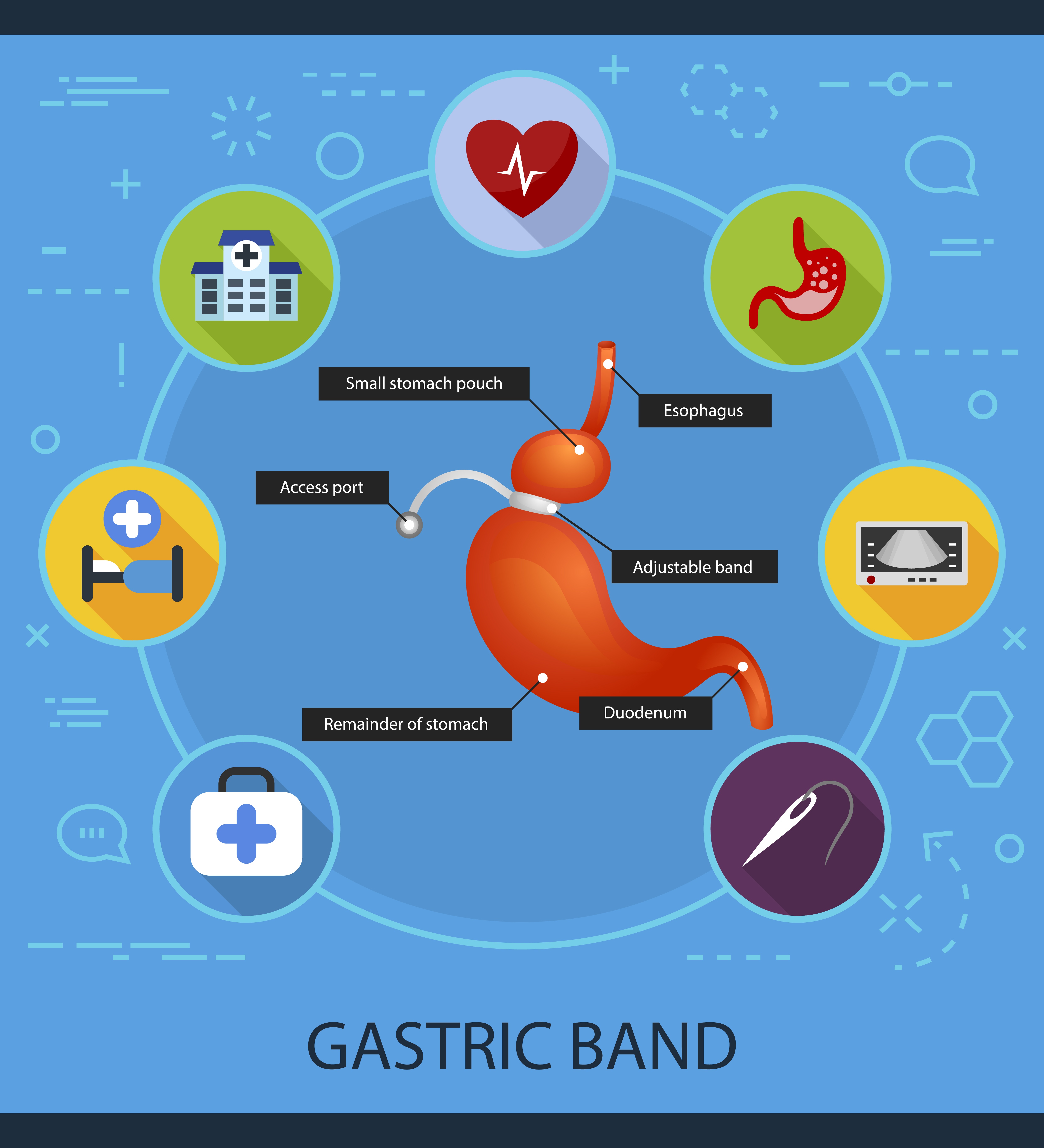
During this procedure, we place the LAP-BAND, a foreign body made of a special material, near the top of the of the stomach where it meets the esophagus. This creates a very small pouch that empties into the larger remaining portion of the stomach. The band is connected to a port, which is underneath the skin of the abdomen, and this port how we put fluid in the band, allowing us to make the band opening larger or smaller in size, giving the patient more or less restriction.


Why choose the LAP-BAND?

Many patients prefer the LAP-BAND because they don’t want anything permanent done, and with the LAP-BAND were not changing the anatomy of the stomach…so it’s completely reversible. We can always go in and take the LAP-BAND out if the patient chooses to do so.

Another reason patients prefer the LAP-BAND, especially those paying out of pocket, is because it’s about $2,000 less than a sleeve…so it’s one of our more cost effective procedures.

What are the advantages and disadvantages of the LAP-BAND?

The LAP-BAND isn’t necessarily an overnight fix. We have to find that “happy place” where the patient is able to get food down but also able to maintain smaller portion sizes, and that’s where these band adjustments come into play.

The goal of all of these procedures is for the patient to lose weight, but it’s still important to keep in mind that none of them are a magic fix for permanent weight loss. While it will certainly help, diet and exercise are still going to be important. Eating the right foods, not consuming excess calories, and establishing an exercise routine are essential when you’re trying to lose weight and keep it off.  No matter which weight loss surgery a patient ends up going with, it’s important that they have the right mindset and are ready to make major lifestyle changes.

Birmingham Minimally Invasive Surgery is a caring group of professionals who specialize in all types of bariatric surgery. Our surgeon Dr. Jay Long has highly specialized training in bariatric surgery, having completed a fellowship in minimally invasive and bariatric surgery at The Methodist Hospital in Houston, Texas, where he focused on taking care of patients that are morbidly obese. And we are so proud of our pricing that we publish the costs right on the front page of our website!  Insurance won’t pay? We have a variety of financing options we can offer you so that you are able to get the healthy body you’ve wanted for years. Visit us today at http://www.bmisurgery.com/ or give us a call to set up a consultation at 205-833-6907.
June’s Testimonial: Going to Dr. Long was the Best Decision I Ever Made

June Before After Pic

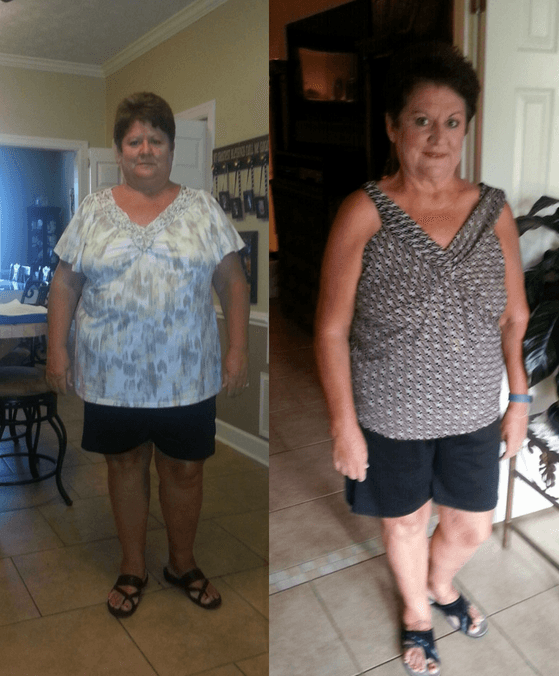
Over the years, I consistently gained weight. I’d gain about 5 to 10 pounds every couple of months, and literally before I knew it, I was pushing 300 pounds. It just kind of happens before you know it. When I got to the point where I knew I had to do something, I literally Googled “centers of excellence for bariatric surgery,” and that’s when Dr. Long at Birmingham Minimally Invasive Surgery came up. From there, I read a lot about Dr. Long and his practice before making the decision to attend a seminar they were holding one Saturday morning.


I liked what I heard at the seminar, so I went ahead and made an appointment for a consultation. When I went to see Dr. Long for the first time, I immediately told him I wanted to do gastric band, what I believed was the least invasive of all the weight loss surgeries. After he spent some time getting to learn more about me, my lifestyle and hobbies, he told me he just didn’t think I’d be happy with gastric band. He thought it would restrict me to the point where I wouldn’t be happy, and that it didn’t seem to suit my lifestyle. He went on to educate me in the difference between gastric band and gastric bypass while going into further detail on how the band greatly restricts what you can eat. He also said, and I’ll never forget, that though everyone is different, with gastric bypass, at some point in time, I could eat whatever my family eats – I just wouldn’t be able to eat as much.


I’m so glad I decided to do gastric bypass because Dr. Long was absolutely right. I have no regrets. None.


Prior to the surgery, Dr. Long had me go on a two-week liquid diet that I thought that would be incredibly hard. Turns out, it was actually very easy, and I didn’t have a problem with it all. To my amazement, the liquids kept me satisfied, and I was never even hungry, and during that two weeks I lost 12 pounds.


After staying in the hospital two days, I came home on a soft diet with a list of foods I could eat. Whatever was on the list, I was supposed to divide that by three. One of the things on the list was an egg, and it was amazing how long it would take me to eat a third of an egg. Truthfully, I didn’t want to eat anything and never had any food cravings. I just ate because I needed to while focusing on staying hydrated.


I kept going back to what Dr. Long said from the get-go – that I can eat whatever my family eats, just not as much. And I do. I eat whatever they eat, just a smaller portion, and I’m totally satisfied.


Of course, the surgery does different things to different people, but ever since, I haven’t craved any type of carbonated beverage and haven’t had one in four years. I literally took a sip of my husband’s Diet Coke the other day to get a piece of ice out, and it tasted like chemicals. It was terrible. It’s interesting how I use to love the things I now hate. I used to love desserts and now I can’t stand anything with sugar. I can eat two M&Ms but if I eat four, I get sick because it’s just too much sugar for my body. I’ve been like that with sugar since day one. So, of course, I’ve found a couple things that don’t agree with me, and I just don’t eat them.  But that’s what I love about gastric bypass. I’m not restricted, and I can eat anything I want.


Ever since the surgery, my life has been great. I can walk up the bleachers at my grandchildren’s softball and baseball games without having to stop after every three steps. It’s wonderful.


About seven weeks ago, I even had knee replacement surgery, and I just got through walking across the sand at the beach. I mean, walking in the sand after a recent knee replacement! If I were a hundred pounds heavier, I would not have been able to do that at all. I probably couldn’t have even had the knee replacement in the first place. It’s amazing because now I can put 25 pounds worth of groceries in my arms and  walk up steps. I just can’t believe how I carried a hundred extra pounds before this surgery.


Dr. Long and his staff are wonderful. I could not ask for better. I’m absolutely satisfied, and I have no regrets, except for wishing I had done this 10 years sooner.


I feel like I missed out on some things with my grandchildren because I wasn’t physically able to do the things with them that I can do now, and that’s why I want to encourage others not to wait. If you’re considering weight loss surgery, don’t waste more years of your life like I did. I wish I’d done it 10 years sooner so I could’ve benefited from it way before now. Do it, and I promise it’ll be the best decision of your life.


Go see Dr. Long. He’s not in a hurry, takes the time to explain everything to you, and he’s considerate and compassionate. He’s the greatest, and going to him was the best decision I ever made.

Avoid These Common Mistakes After Bariatric Surgery

Avoid these common mistakes after bariatric surgery

Avoid these common mistakes after bariatric surgery

If your focus is long-term weight loss, bariatric surgery is a proven way to accomplish this goal. But just as with anything worth having, you have to work hard and follow the guidelines provided by your physician in order to lose the weight and keep it off. Avoiding these common mistakes is a great way to ensure you finally reach your goal weight and stay there.

1. Neglecting Important Vitamins

Your physician will recommend vitamins to help your body recover from the surgery and maintain the best health possible. Don’t try to save money by purchasing over-the-counter vitamins. Take the ones recommended by your doctor to ensure your body is getting all the vitamins and minerals it needs.

2. Not Getting Proper Nutrition

Surgery is serious business, and it is important that your body heals properly. Now that your caloric content is constricted, it’s vital that you pack your diet with healthy nutrients. Your body won’t function well if you use your calorie rations to only eat potato chips or other foods that have no nutritional value. If you don’t eat the foods your physician recommends, you are at risk of developing medical problems, such as heart disease, memory loss, fatigue, etc. Stomach and gastrointestinal problems are also a concern.

3. Forgetting to Stay Hydrated

Drinking plenty of water or healthy liquids is one of the most important things anyone can do to enjoy maximum health. Water helps every part of your body function well. Staying hydrated is particularly important for surgical patients since it helps the body heal, provides energy and hastens weight loss.. If you don’t like tap water, buy flavored water, add lemon to your water, or drink another healthy beverage, such as unsweetened iced tea.

4. Not Watching Your Calories

You may think that a tiny handful of nuts, chips, crackers, or candy won’t affect your diet, but these foods pack a lot of calories in small portions. If you don’t count the calories of every morsel, you may wind up consuming hundreds more calories each day. This common mistake is one of the ways bariatric patients fail to reach their long-term weight goals.

5. Indulging in Alcohol

Almost everyone enjoys an alcoholic beverage at times, especially if there is a special occasion. Be cognizant of the fact that alcoholic beverages are full of calories and can quickly cause you to go over your calorie limit.

6. Drinking Carbonated Beverages

Carbonated beverages are quite refreshing but shouldn’t be your beverage of choice when you’re thirsty. They are full of sugar, which substantially increases your calorie intake. Carbonated drinks can also cause gas pain. At times, more serious issues can be mistaken for gas pains, and this can cause you to neglect medical care when you really need it.

Having bariatric surgery is your chance for a new life filled with the quality of living you crave. Following the guidelines the doctor gave you ensures you stay focused on this long-term goal and eventually reap the rewards!


Lose Weight Fast with Gastric Sleeve Surgery

Lose Weight Fast With Gastric Sleeve Surgery

Lose Weight Fast With Gastric Sleeve Surgery

Around 45 million Americans diet every year, according to research from the Boston Medical Center. Still, some people struggle to shed the pounds. As a result, more drastic weight loss procedures, such as gastric sleeve surgery, have become attractive. This surgery reduces part of your stomach, so you feel fuller after consuming food. The result? You eat less and lose more weight.

What Is Gastric Sleeve Surgery?

Gastric sleeve surgery removes around 80 percent of your stomach and leaves behind a vertical tube — called a “sleeve” — that is around the size of a banana. After this operation, you will notice that you feel much fuller than you normally would after consuming food. Therefore, you will need to select small portion sizes at meal times.

Gastric sleeve surgery produces rapid weight loss, according to the American Society for Metabolic and Bariatric Surgery. One study suggests that people can lose more than 50 percent of their total body weight in a three- to five-year period. Moreover, weight loss is comparable to that of a gastric bypass — another bariatric surgical procedure.

Here’s the science behind gastric sleeve surgery: this procedure causes positive changes in your body’s gut hormones. Consequently, it reduces appetite, increases satiety and suppresses hunger. The surgery itself is relatively simple — it takes between 60 and 90 minutes.

What Are the Other Benefits of Gastric Sleeve Surgery?

Research shows that gastric sleeve surgery is beneficial for specific health conditions, including type 2 diabetes. Diabetes remission rates post-surgery are more than 60 percent and, as shown in some studies, are similar to the results experienced after gastric bypass procedures. Other research suggests that gastric sleeve surgery reduces the risk of certain types of cancer, overcomes depression, and improves sleep apnea.

Gastric sleeve surgery is an option for adults who struggle to lose weight using conventional methods. This procedure might also benefit people who have type 2 diabetes and other health conditions.

Birmingham Minimally Invasive Surgery (BMI) specializes in gastric sleeve surgery. Do you qualify for this procedure? Contact us here to find out more.

Weight Loss Surgery Insurance Requirements. Are You a Good Candidate?

If you are considering weight loss surgery, it is important to understand your insurance requirements. Most insurance companies will cover weight loss surgery if you meet certain criteria. The most common criteria include:

BMI Common Criteria:

  • A BMI of 40 or greater, or a BMI of 35 or greater with a co-morbid condition such as high blood pressure, cardiovascular disease, diabetes, or sleep apnea.
  • Documentation of participation in a medically supervised weight loss program for at least 3-6 months.
  • A letter from your primary care physician recommending surgery.
  • A consult and recommendation for a surgeon from a bariatric surgeon.
  • Non-smoking for at least 8 weeks prior to surgery.

Some insurance companies may have additional requirements, such as a longer medically supervised weight loss program or a psychological evaluation. It is important to check with your insurance company to see what their specific requirements are.

Private Pay:

If you are not able to get your weight loss surgery covered by insurance, you may be able to pay for it out of pocket. This is known as private pay. Private pay patients may not have to meet the same criteria as insurance patients. For example, they may not have to have a co-morbid condition or participate in a medically supervised weight loss program.

How to Get Started:

If you are interested in weight loss surgery, the first step is to talk to your primary care physician. They can help you determine if you meet the criteria for surgery and can refer you to a bariatric surgeon for a consultation.

The bariatric surgeon will evaluate your medical history and perform a physical exam. They will also discuss your goals for surgery and the risks and benefits of the different types of weight loss surgery.

If you decide to proceed with surgery, your bariatric surgeon will work with you to get your insurance approved. They will also provide you with pre-surgical instructions and support.

Weight loss surgery can be a life-changing experience. It can help you lose weight, improve your health, and boost your self-confidence. If you are considering weight loss surgery, it is important to do your research and understand your insurance requirements.