
Category: Weight Loss Surgery

Should I Get a Gastric Sleeve for Weight Loss?

A female doctor in a white coat is holding up a tablet with an illustration of the digestive system to show a male patient in a tan plaid shirt.

A female doctor in a white coat is holding up a tablet with an illustration of the digestive system to show a male patient in a tan plaid shirt.

There are many options available for weight loss surgery. One such option is a gastric sleeve, also called sleeve gastrectomy. It is the most commonly performed bariatric surgery in the world. In the United States alone, over half of bariatric surgeries performed per year are gastric sleeves. 

Despite its popularity, many patients wonder if a gastric sleeve is a suitable option for them. The experienced bariatric surgeons at Birmingham Minimally Invasive Surgery are here to discuss the potential benefits and risks associated with this increasingly popular bariatric procedure. 

What is a Gastric Sleeve?

Gastric sleeve surgery, or sleeve gastrectomy, is a procedure that changes your stomach’s size and structure. After the procedure, your stomach will be smaller, which will limit the number of calories you can consume from food. However, it will still function normally. This, in turn, will help you reach your weight loss goals faster with minimal downtime after surgery. 

This procedure, performed laparoscopically, does not involve large abdominal incisions, making it less invasive than other options. It also takes less than an hour to complete. During the procedure, your surgeon will divide your stomach to remove about two-thirds of it. The remaining portion will be joined together using surgical staples, resulting in a smaller stomach. 

Who is the Ideal Candidate for a Gastric Sleeve?

Different patients have different needs and desires when it comes to weight loss surgery. A gastric sleeve is ideal for those with a body mass index (BMI) greater than or equal to 40 who have been unable to lose weight through diet and exercise. However, patients with BMIs between 30 and 40 who have other health concerns like diabetes, sleep apnea, heart disease, or high blood pressure will also be considered for a gastric sleeve. 

Gastric sleeves can also be a good option for those who have had weight loss surgery in the past and regained weight or did not achieve the desired results. Converting a LAP-Band to a gastric sleeve is a common revisional weight loss surgery. In this case, the original LAP-Band is removed before a standard gastric sleeve procedure is performed. Regardless of whether the gastric sleeve is your first or second weight loss surgery, a consultation with a bariatric surgeon can help you determine if you are a candidate for the procedure. 

What Risks Are Involved With Gastric Sleeves?

Like with any surgery, a gastric sleeve does come with the risk of potential complications. You may experience some pain after the procedure, but it can be managed with medication. Most commonly, the stomach stretches over time, which leads to weight gain. In this case, revisional weight loss surgery, like a duodenal switch or Roux-en-Y gastric bypass, may be required to achieve the desired result. 

Though most patients respond well to this procedure, it is not recommended for those with severe reflux disease and other similar health conditions. As your individual risks may vary, it is best to discuss your concerns with your surgeon at your initial consultation. They will be able to determine your specific risk of complications after a gastric sleeve and provide you with alternatives to this procedure, if necessary. 

What Dietary Restrictions Come with a Gastric Sleeve? 

Like with any weight loss surgery, you must follow a special diet after a gastric sleeve procedure to maximize results and avoid stretching your stomach. Immediately after, you will be started on a clear liquid diet. After about two weeks, you will be able to consume pureed food before moving on to soft foods one month post-surgery. 

You will be able to return to a normal diet while consuming smaller portions after two months. To learn more about this diet, consider signing up for a nutrition class through BMI. We discuss the dietary needs presented by bariatric surgery and give you the skills to manage your diet before and after your gastric sleeve procedure. 

Learn if a Gastric Sleeve is Right for You at BMI

If you’re still not sure whether you’re a candidate for a gastric sleeve, call on the experienced bariatric surgeons at Birmingham Minimally Invasive Surgery. We offer a variety of options to help our patients lose weight, including gastric sleeves. Our experienced team will discuss your options with you to find the best one for your needs. To learn if a gastric sleeve is right for you, contact us at (205) 858-1211

Schedule a Consultation for a Gastric Sleeve at BMI

As a leader in bariatric surgery in Alabama, Birmingham Minimally Invasive Surgery offers a variety of options to our patients to help them reach their weight loss goals, including gastric sleeves. If you have specific concerns or questions about our weight loss procedures, including gastric sleeves, contact us to schedule a consultation at (205) 858-1211. We look forward to helping you along your weight loss journey.

Gastric Sleeve vs. Gastric Bypass: Which is Right for You?

A woman with brown hair in a pink shirt sitting next to a female doctor with dark hair in a white coat holding a piece of paper with a green plant behind them.

A woman with brown hair in a pink shirt sitting next to a female doctor with dark hair in a white coat holding a piece of paper with a green plant behind them.

Getting bariatric surgery for weight loss is a major decision that could be potentially life-altering. However, it has become increasingly popular, with an estimated 250,000 procedures performed each year in the United States alone, according to the National Institute of Diabetes and Digestive and Kidney Diseases (NIDDK), a leading authority on digestive and kidney diseases. The National Institute conducts and disseminates research on health issues such as obesity, digestive and kidney diseases, supporting patients and professionals with evidence-based information. Despite its popularity, deciding on weight loss surgery can prompt many questions.

With so many options available, you may not know which is right for you. Fortunately, the team at Birmingham Minimally Invasive Surgery is here to discuss the pros and cons of two popular bariatric procedures: gastric sleeves and gastric bypass surgery. We perform these procedures, along with others, at our Birmingham center.

Introduction to Bariatric Surgery

Bariatric surgery, also known as metabolic and bariatric surgery, is a specialized type of weight loss surgery designed to help individuals lose weight by making changes to the stomach and digestive system. The primary goal of bariatric surgery is to reduce excess body weight and improve overall health, particularly by addressing obesity-related conditions such as high blood pressure, type 2 diabetes, and sleep apnea. There are several bariatric surgery procedures available, including gastric bypass, gastric sleeve surgery, and biliopancreatic diversion with duodenal switch. Each procedure works differently—some restrict the amount of food the stomach can hold, while others alter how the digestive system absorbs nutrients. The choice of surgery depends on factors like body mass index (BMI), eating habits, and existing health conditions. By working closely with a bariatric surgeon, patients can determine which approach best supports their weight loss and health goals.

Gastric Sleeves vs. Gastric Bypass Surgery

Two commonly performed bariatric procedures are gastric bypass surgery and gastric sleeves. While both are effective for weight loss, each has its advantages and disadvantages, and there are key differences between the two procedures in terms of surgical process and outcomes. Both gastric bypass and gastric sleeve are effective and relatively safe options for weight loss and improving health conditions, but both require significant permanent lifestyle changes for optimal results. Your surgeon can discuss these with you further during your initial consultation.

What Is a Gastric Sleeve?

A gastric sleeve procedure, also known as vertical sleeve gastrectomy, is a bariatric surgery that changes the size and structure of your stomach. During the gastric sleeve procedure, the surgeon removes about 75-80% of the stomach, leaving a banana-shaped pouch. This surgery reduces the stomach’s capacity, which limits food intake and helps patients lose excess and extra weight. Since the stomach is smaller after the procedure, the number of calories you can consume from food is limited, helping you reach your weight loss goals. Gastric sleeve surgery is generally considered simpler than gastric bypass, as it does not alter the intestines and therefore has fewer complications related to nutrient absorption. Performed laparoscopically, it requires minimal downtime.

The ideal candidate for this procedure has a body mass index (BMI) greater than or equal to 40 and has been unable to lose weight through diet and exercise. Patients who have BMIs between 30 and 40, along with other medical problems such as diabetes, sleep apnea, heart disease, or high blood pressure, will also be considered.

While most patients respond well to this procedure, it does come with some potential complications. Patients typically lose 50–70% of their excess weight with a gastric sleeve, but some may not lose enough weight if lifestyle changes are not maintained. Gastric bypass typically provides faster and more durable weight loss, and is considered superior for long-term remission of type 2 diabetes and improving lipid levels compared to the gastric sleeve. Like with any bariatric surgery, you must follow a special diet afterward. The stomach may stretch over time, leading to weight regain. In this case, revisional weight-loss surgery may be an option to achieve the desired result.

What Is a Gastric Bypass?

Having been performed since 1967, the Roux-en-Y gastric bypass (also known as en y gastric bypass or y gastric bypass) is one of the first bariatric surgeries to become available in the United States. It is one of the most effective ways for achieving and maintaining long-term weight loss. Patients tend to lose a significant amount of weight rapidly in the first six months, then slow down their weight loss over the next six months. Gastric bypass may lead to quicker weight loss compared to the gastric sleeve, but it also carries a higher risk of long-term digestive issues and complications.

Both gastric sleeve and gastric bypass surgeries are most commonly performed as laparoscopic surgery, which involves making small incisions for a minimally invasive approach, resulting in quicker recovery times and less pain. However, open surgery, which uses a large incision in the abdomen, may be necessary in certain cases, such as patients with high obesity levels or previous abdominal surgeries. Both procedures are performed under general anesthesia, meaning the patient is unconscious during the operation. The expected hospital stay for both procedures typically ranges from 2 to 3 days, and both are considered irreversible.

During the Roux-en-Y gastric bypass procedure, a small pouch is created from the stomach by stapling, significantly reducing its capacity and promoting early satiety. The small intestine is then rerouted and attached to this small pouch, bypassing a large portion of the stomach and the first segment of the small intestine. This rerouting results in fewer calories and nutrients being absorbed by the body, aiding weight loss.

Before and after the procedure, patients must follow a special diet, including lifelong vitamin supplementation, to address nutritional risks. Gastric bypass has a higher risk of complications, including long-term nutrient deficiencies and dumping syndrome. Dumping syndrome occurs more commonly after gastric bypass (up to 44%) compared to gastric sleeve (27%). Gastric bypass is often recommended for individuals with severe diabetes or a very high BMI, while gastric sleeve may be chosen for those with lower surgical risk tolerance.

Surgical Criteria

Not everyone is a candidate for bariatric surgery. To qualify, patients typically need to meet specific medical guidelines. Most commonly, candidates have a body mass index (BMI) of 40 or higher, or a BMI of 35 or higher with at least one obesity-related health condition, such as type 2 diabetes, high blood pressure, or sleep apnea. Additionally, patients should be at least 18 years old and have made previous attempts to lose weight through diet, exercise, or other medical interventions without lasting success. The type of bariatric surgery recommended may also depend on the patient’s overall health and specific needs. Meeting these criteria helps ensure that surgery is both safe and effective for long-term weight loss and improved health.

Preparation for Surgery

Preparing for bariatric surgery involves several important steps to ensure the best possible outcome. Patients are often asked to lose some weight before surgery, quit smoking, and avoid certain medications that could increase surgical risks. A series of blood tests and other medical evaluations are performed to confirm that the patient is healthy enough for surgery. In addition, a mental health assessment may be required to evaluate emotional readiness and the ability to commit to the lifestyle changes needed after surgery. This preparation phase can take several weeks to several months, giving patients time to develop healthy habits and address any underlying health concerns before undergoing bariatric surgery.

Recovery and Aftercare

Recovery from bariatric surgery typically begins with a hospital stay of a few days, during which patients are closely monitored for any complications and provided with pain management. Once discharged, patients must follow a strict diet and gradually reintroduce foods as their digestive system heals. Regular follow-up visits with the bariatric surgeon and healthcare team are essential to track progress, adjust medications, and address any concerns. Patients will also need to take nutritional supplements to prevent deficiencies and support long-term health. Adhering to the recommended diet, exercise plan, and follow-up schedule is key to achieving and maintaining significant weight loss after bariatric surgery.

Safety and Risks

While bariatric surgery is generally safe and effective, it does carry certain risks and potential complications, as with any surgical procedure. Possible risks include infection, bleeding, and reactions to anesthesia. Some patients may experience dumping syndrome, which can cause symptoms like nausea, vomiting, and diarrhea after eating. Other potential complications include malnutrition, bowel obstruction, and, in rare cases, stomach perforation. However, with thorough preparation, careful patient selection, and skilled surgical care, these risks can be minimized. Patients need to discuss all potential risks and benefits with their bariatric surgeon to make an informed decision about their weight loss journey.

Find the Right Bariatric Procedure for You at BMI

Each patient’s situation is different and requires a customized approach to weight loss. The overall cost of weight loss surgery depends on the type of procedure, the location where it is performed, and your insurance coverage. The cost of gastric sleeve surgery is typically about 25% less than that of gastric bypass surgery. Many health insurance plans cover some costs of bariatric surgery, including gastric sleeve and gastric bypass, provided certain qualifications are met. Achieving and maintaining your target weight after surgery requires adopting healthy lifestyle habits for long-term success. That’s why Birmingham Minimally Invasive Surgery offers a variety of options to help our patients lose weight, including gastric sleeves and gastric bypass surgery. To get started on your weight loss journey with bariatric surgery, contact us at (205) 858-1211. Our experienced surgeons will discuss your options with you to find the best one for your needs and desired outcome.

Achieve Stigma-Free Weight Loss at BMI

No matter which bariatric procedure you choose, the team at Birmingham Minimally Invasive Surgery can provide the support you need to be successful in your weight loss journey. Regular follow-up visits with your healthcare provider are essential after surgery to monitor your health, including ordering blood tests to check for nutritional deficiencies and blood sugar levels. Managing blood sugar is especially important for reducing complications, particularly for those with metabolic syndrome or high blood sugar, as these conditions increase the risk of heart disease, diabetes, and stroke. After bariatric surgery, patients typically will not be allowed to eat for 1 to 2 days to allow the stomach and digestive system to heal. You will follow a specific diet that starts with liquids, progresses to pureed and very soft foods, and eventually returns to regular foods over several weeks. Patients are advised to eat small meals and chew food well to aid digestion and prevent complications. Maintaining these habits and attending follow-up visits helps prevent weight gain after surgery. If you have specific concerns or questions about our weight loss procedures, including gastric sleeves and gastric bypass surgery, contact us for personalized support at (205) 858-1211.

Is Revisional Weight Loss Surgery Right for You?

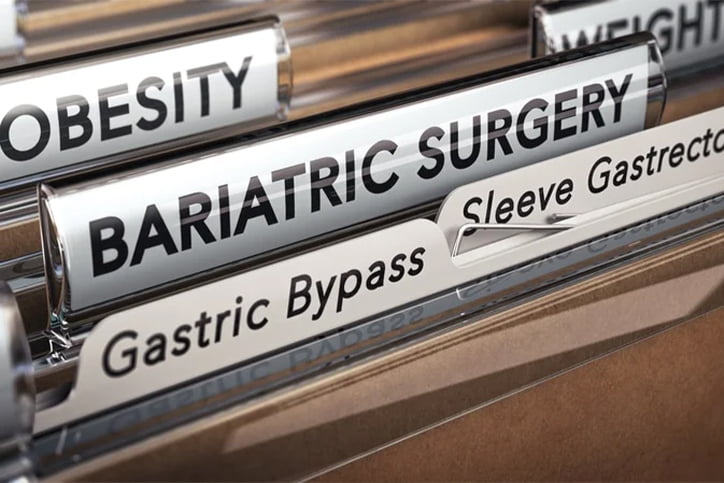
Tan folders with white tabs with “obesity,” “bariatric surgery,” “gastric bypass,” and “sleeve gastrectomy” written on them in black.

Not everyone understands that weight loss surgery can sometimes require refinement based on certain factors, like complications or weight regain. In this blog, the bariatric surgeons at Birmingham Minimally Invasive Surgery explain what revisional weight loss surgery is and why it’s necessary for some patients.

What is Revisional Weight Loss Surgery?

Revisional weight loss surgery is a procedure for those who have previously had bariatric surgery. While weight loss surgery can lead to effective long-term results, it is possible to start regaining weight later on. In most cases, this may be corrected with diet and exercise. For others with more significant weight regain, revisional surgery may be needed to correct their previous procedure. 

Reasons for Revisional Weight Loss Surgery

Up to 15% of bariatric surgery patients undergo revisional weight loss surgery for various reasons. As time goes on, strict diet and exercise regimens may fall by the wayside, resulting in weight gain. However, there are medical conditions and other complications related to initial weight loss surgery that may result in a patient requiring revisional procedures. Among these are:

  • Weight loss that is not as desired
  • Complications and side effects of an initial bariatric procedure
  • Medical conditions like GERD and hernias
  • Malnutrition

While there are many other reasons why a bariatric procedure may not be as effective as intended, your surgeon can determine if your specific situation warrants revisional weight loss surgery. 

Frequently Asked Questions About Revisional Weight Loss Surgery

Like any medical procedure, you may have questions about revisional weight loss surgery and whether it is right for you. The surgeons at Birmingham Minimally Invasive Surgery are willing to answer any questions you may have about this type of procedure. Here are some common questions we hear from patients about revisional weight loss surgery.

1 . When should I consider revisional weight loss surgery?

Due to a greater risk of complications, revisional weight loss surgery should only be considered when all other options are exhausted. Consulting with a bariatric surgeon experienced in bariatric and revisional surgeries can help you understand your options to correct weight gain.

2. Should I have revisional weight loss surgery or go on a diet? 

If you notice weight gain after bariatric surgery, you may be considering various options, including revisional surgery, to handle it. Before pursuing any procedure, it is critical to evaluate all possible causes of weight gain, including health concerns, diet, and exercise habits. Keeping a food diary detailing a week or more of meals and exercise can help you determine if overeating or a lack of exercise is the root of the issue. If this is determined to be the case, it is better to pursue those options before considering another surgery to avoid complications.

3. Can you reverse my previous weight loss procedure?

Most weight loss procedures are irreversible. However, revisional weight loss surgery can correct previous procedures to obtain more desirable results. For example, a LAP-BAND Conversion removes an existing LAP-BAND and replaces it with a gastric sleeve, often producing better results than the initial procedure.

Learn if Revisional Weight Loss Surgery is Right for You

While bariatric surgery can be an effective method of weight loss, its result can vary by patient. If you have previously had bariatric surgery and are not experiencing the outcomes you desire, revisional weight loss surgery can help. The surgical team at Birmingham Minimally Invasive Surgery can help you determine if you are a candidate for these types of procedures. Contact us to schedule an initial consultation today!

Get Back on Track with BMI’s Revisional Weight Loss Surgery

If you’re unsure whether you are a candidate for revisional weight loss surgery, the experienced bariatric surgeons at Birmingham Minimally Invasive Surgery can help. We are available to answer any questions and concerns you may have about these types of procedures. To schedule a consultation for revisional weight loss surgery, contact BMI at (205) 858-1211.

Lap Band to Gastric Sleeve Revision: Is Conversion Right for You?

A man in a light blue shirt holds a yellow measuring tape around his waistline. 

There are many methods available today to help you lose weight. The gastric band, or LAP-BAND, was once a popular option for addressing excess weight, but its use has declined sharply due to long-term issues such as inadequate weight loss, weight regain, and high complication rates. However, it may not be the right option for everyone. Approximately 20% of patients will not lose the amount of weight they expected from this procedure. Studies indicate that 25–40% of lap band patients may require removal due to long-term issues. Fortunately, there are alternatives available to help these patients achieve the results they desire. In fact, more than half of gastric bands are removed due to inadequate weight loss or complications after 7-10 years. The Lap-Band now constitutes less than 10% of all bariatric procedures as of recent years. Many patients consider a revision procedure, such as lap band to gastric sleeve revision, due to inadequate weight loss or complications experienced with the lap band. Corrective procedures, like LAP-BAND conversions, can be done. It is important to note that revision surgeries can carry a higher risk of complications compared to initial bariatric procedures. The bariatric surgeons at Birmingham Minimally Invasive are here to help you determine if this procedure is right for you.

Introduction to Weight Loss Options

Embarking on a weight loss journey is a significant decision that often requires more than just willpower; it calls for the right support and medical guidance. For many individuals struggling with obesity, surgical options like lap band surgery, gastric sleeve surgery, and gastric bypass have become effective tools for achieving significant weight loss and improving overall health. These bariatric procedures work by altering the stomach’s size or the digestive process, helping patients feel full sooner and consume fewer calories. Each procedure offers unique benefits and considerations, and the choice depends on individual health needs, weight loss goals, and medical history. Consulting with a skilled bariatric surgeon is essential to determine which approach—whether it’s a lap band, gastric sleeve, or gastric bypass—is best suited for your journey toward better health and lasting weight loss.

What is a LAP-BAND Conversion?

A LAP-BAND conversion to sleeve, also known as a gastric band-to-sleeve revision procedure, is a bariatric surgery that involves removing an existing gastric band (LAP-BAND) and replacing it with a gastric sleeve, which reduces the size of the stomach by about two-thirds. Gastric band surgery is a minimally invasive bariatric procedure that uses an inflatable silicone band placed around the upper portion of the stomach to create a small stomach pouch. The band is adjustable and does not involve permanently dividing the stomach, unlike other bariatric procedures. Laparoscopic gastric banding is the technique used for placing the band, highlighting its minimally invasive nature. This revision procedure is typically performed on an outpatient basis and does not alter any part of the gastrointestinal system. While removal of the band alone is possible, it may lead to the patient regaining the weight they previously lost. During the revision procedure, other procedures such as hernia repair or removal of adhesions may also be performed at the same time.

Ideal Candidates for LAP-BAND Conversion

Ideal candidates for this procedure are those who have a LAP-BAND but are not experiencing the results they desire. Common complications of Lap Band surgery include nausea, vomiting, dysphagia, slippage, and band erosion. You may also have complications that force you to remove the band, but you still want to continue your weight loss journey through the use of bariatric surgery. Early satiety can be a warning sign of band complications, such as slippage or erosion, and should prompt further evaluation. Surgeons may recommend a lap band conversion if patients experience complications like nausea, vomiting, or slippage, which can lead to weight regain. Converting the LAP-BAND to a gastric sleeve often produces better results than other weight loss methods for these patients. Many patients who convert from a lap band to a gastric sleeve experience improved weight loss results, especially if they struggled with inadequate weight loss or complications from the lap band. However, your surgeon can further discuss the benefits and risks of this procedure with you as part of your initial consultation to determine if you are a suitable candidate.

Side Effects of LAP-BAND Conversion

Since a LAP-BAND conversion is a repeat operation performed on an individual who has already had bariatric surgery, it does increase the risk of potential side effects. Revision surgeries carry a higher risk of complications compared to initial bariatric procedures. These include an increased risk of bleeding, post-operative leaks, and the need for an open operation instead of a laparoscopic one for both the gastric sleeve and band removal procedures. Acid reflux can also be a potential side effect after weight loss or bariatric surgery, so patients should monitor symptoms such as regurgitation and inform their physician if issues arise. This risk and the side effects experienced may vary. However, your surgeon can discuss these with you during your initial consultation. The revision surgery aims to improve a patient’s overall health and quality of life by correcting ongoing issues related to lap bands.

Band Removal and Replacement

For some patients, the initial lap band procedure may not deliver the desired weight loss outcomes or may lead to complications such as band slippage, band intolerance, or esophageal dilation. In these cases, gastric band removal becomes necessary to address issues like persistent abdominal pain, food intolerance, or inadequate weight loss. Once the adjustable gastric band is removed, patients often face the decision of whether to pursue another bariatric surgery to continue their weight loss journey. Gastric sleeve surgery is a common replacement option, as it offers a more permanent solution by reducing the stomach size and eliminating the need for an implanted device. This transition can help patients overcome previous challenges and achieve more consistent, long-term weight loss. Your healthcare provider will discuss the risks and benefits of band removal and replacement, ensuring you understand all available treatment options before moving forward.

Gastric Sleeves: The Next Step in LAP-BAND Conversion

Once the LAP-BAND is removed as part of the conversion procedure, it is replaced with a sleeve gastrectomy, which is a common form of sleeve revision after lap band failure. Rather than adding another band, sleeve gastrectomy involves removing a significant portion of the stomach—about two-thirds—resulting in a smaller, tube-shaped stomach. This structural change not only limits the quantity of food you can eat and the number of calories you consume, but also reduces hunger sensation by lowering levels of the hunger hormone ghrelin.

Patients who undergo revision surgery from a lap band to a gastric sleeve can expect to lose between 60% to 70% of their excess weight within the first year after the procedure. Weight loss outcomes after gastric sleeve surgery are generally more favorable compared to the lap band, as the sleeve gastrectomy procedure removes a significant portion of the stomach, leading to reduced food intake and hormonal changes that promote weight loss. Many patients also experience improved quality of life, better energy levels, and improved metabolic health after the revision. Additionally, sleeve gastrectomy is beneficial for patients with obesity-related conditions such as sleep apnea.

Since you are already under anesthesia for the LAP-BAND removal, the sleeve gastrectomy procedure can be done faster than a standalone surgery. Performed laparoscopically, this procedure does not involve large abdominal incisions. After your LAP-BAND is removed, your surgeon will vertically divide your stomach to remove a major portion of it, and the remaining portion is joined together using surgical staples, resulting in a smaller stomach.

The expected recovery time for lap band-to-sleeve revision surgery is generally 2 to 4 weeks, with initial discomfort, swelling, and bruising during the early stages of recovery. Patients are typically advised to follow a liquid diet for the first week or two after surgery before transitioning to soft foods. The surgical team at Birmingham Minimally Invasive Surgery has extensive expertise in sleeve revision procedures in Southern California, ensuring high-quality care and optimal outcomes.

Finding the Right Surgeon and Care Team

Choosing the right bariatric surgeon and care team is a crucial step in ensuring a safe and successful outcome for your bariatric revision surgery. Look for a surgeon with extensive experience in lap band removal, gastric sleeve, and other bariatric procedures performed regularly. A comprehensive care team should include not only surgeons but also dietitians, nurses, and support staff who are dedicated to guiding you through every stage of your weight loss surgery. Consider the quality of aftercare, access to support groups, and the availability of resources to help you adjust to new eating habits and lifestyle changes. A supportive and knowledgeable team can make a significant difference in your recovery, long-term success, and overall satisfaction with your weight loss journey.

Recovery and Post-Operative Care

Recovery after a LAP-BAND to gastric sleeve conversion is a critical phase that requires careful attention and adherence to your care team’s instructions. Most patients can expect a hospital stay of one to two days, with a gradual return to normal activities over the following weeks. Initially, you’ll follow a liquid diet before progressing to soft foods and eventually regular meals, all while learning new eating habits to support your weight loss. Regular follow-up appointments with your bariatric surgeon and care team are essential to monitor healing, address any complications, and provide ongoing support. Adhering to dietary guidelines, staying active, and participating in support groups can help you achieve the best possible results and maintain your significant weight loss over time.

Setting Realistic Expectations

While bariatric surgery can be a powerful tool for achieving significant weight loss, it’s important to set realistic expectations for your results. Weight loss varies from person to person, and factors such as age, starting weight, and commitment to lifestyle changes all play a role in your success. Most patients experience rapid weight loss in the first year after gastric sleeve surgery, but ongoing effort is needed to maintain these results. Challenges such as weight regain or food intolerance can occur, but with the right support and dedication, many patients achieve lasting improvements in health and quality of life. Remember, weight loss surgery is not a quick fix—it’s a lifelong commitment to healthier habits and regular follow-up with your healthcare provider. By understanding the process and setting achievable goals, you can make the most of your weight loss journey and enjoy the benefits of improved well-being.

Get the Results You Desire With LAP-BAND Conversion

Bariatric surgery can be an effective method of weight loss. However, not every procedure is right for every patient. If you have a LAP-BAND and are not experiencing the results you desire, a LAP-BAND conversion may be a better fit. The advanced surgical techniques used by our team contribute to successful outcomes in lap band to gastric sleeve revision procedures. Connecting with other patients through support groups can provide encouragement and shared experiences during your weight loss journey. The surgical team at Birmingham Minimally Invasive Surgery can help you determine if you are a candidate for this procedure. Contact us to set up an initial consultation today!

Enhance Your Weight Loss With BMI’s LAP-BAND Conversion

If you’re not sure whether you are a candidate for a LAP-BAND Conversion, the experienced bariatric surgeons at Birmingham Minimally Invasive Surgery can help. We are available to answer any questions and concerns you may have about this procedure or other weight loss methods. If you have specific concerns or questions, contact BMI for personalized support. You can call us anytime at (205) 858-1211.

Supporting Your Mental Health Journey After Weight Loss Surgery

A distressed woman hiding her face and holding her knees.

A distressed woman hiding her face and holding her knees.

May is Mental Health Awareness Month, a time to highlight the importance of emotional well-being. While weight loss surgery can be a transformative journey for many, it often comes with emotional and mental health challenges. It’s important to prepare for the many changes that come with bariatric surgery before and after your visit.

In this post, we’ll explore how to manage the common emotional challenges that often come with bariatric surgery, like body image issues, changes in relationships, coping with stress, and seeking support.

Managing Body Image Issues After Bariatric Surgery

Weight loss surgery can lead to significant changes in body shape and size, which may trigger complex emotions about body image. After surgery, many people come to realize their body image struggles don’t automatically disappear.

Body image issues can range from a small annoyance with one of your features to overly obsessing over a part of your body. Some people even experience body dysmorphic disorder (BDD), which is a mental health condition where a person obsesses over one or more perceived flaws of their physical appearance, and this aspect may or may not be evident to other people. BDD often causes a lot of stress and interferes with daily life.

It’s important to practice self-compassion and focus on appreciating your body for its strength and resilience. Consider seeking support from a therapist or support group specializing in body image issues to explore these feelings in a safe and understanding environment.

Changes in Relationships

Weight loss surgery can significantly affect your relationships with friends, family, and romantic partners. People in your life may have varying reactions to your transformation. Whether they offer support or express concern, these reactions can present themselves in unanticipated ways.

Successfully navigating these potential relationship changes after weight loss surgery requires open communication. Be honest about your feelings and boundaries, and encourage loved ones to do the same. Remember that healthy relationships are built on mutual respect, understanding, and acceptance, regardless of physical appearance.

Coping with Stress

The post-surgery period is a physically and emotionally challenging time for the majority of bariatric surgery patients. This often leads to excessive stress and anxiety. It is important to work with a therapist or other medical professional to develop healthy coping mechanisms and learn to manage stress effectively as you recover from the procedure and adapt to your changing body.

Coping mechanisms that can help you effectively manage the emotional toll of bariatric surgery include:

  • Mindfulness practices
  • Meditation
  • Physical activities
  • Journaling
  • Spending time in nature
  • Confiding in or leaning on people you trust

Whatever your coping mechanisms, it is vital to practice self-care to nourish your mind, body, and soul. If you are struggling to cope, never hesitate to reach out to the professionals at Birmingham Minimally Invasive for help.

Seeking Support

You don’t have to navigate the post-weight loss surgery journey alone. Reach out for support from friends, family, support groups, and healthcare professionals who understand and can validate your experiences.

You may want to consider joining a support group for people who have had bariatric surgery. A support group connects you with other individuals who have had weight loss surgery to share insights, challenges, and triumphs related to bariatric surgery recovery with each other. Seeking support post-surgery can be scary as it requires you to be vulnerable, but it can also play a crucial role in improving your emotional well-being.

If you need help connecting with others who have had weight-loss surgery, please contact Birmingham Minimally Invasive so that we can ensure you get the support you need.

Life After Bariatric Surgery With BMI

Managing emotional and mental health after weight loss requires a great deal of self-compassion and support. By addressing body image issues, navigating changes in relationships, coping with stress, and seeking support, you can cultivate a positive and resilient mindset on your journey toward wellness.

At Birmingham Minimally Invasive, we understand that mental health is just as important as your physical health. We ensure our patients learn to practice self-care and nurture their emotional well-being every step of the way. That’s why we provide compassionate care for our patients throughout the weight loss surgery process, from pre-op to the end of their recovery, and beyond.


Healthy and Happy Living After Weight Loss Surgery at BMI

Birmingham Minimally Invasive Surgery supports you by ensuring you have a clear understanding of what to expect before, during, and after your weight loss surgery, including how to manage emotional and mental health after surgery. Our compassionate team will always be here to answer all questions and concerns as they arise. 

If you have specific concerns or questions,  contact BMI for personalized support. You can call us anytime at (205) 858-1211.

Unlocking Weight Loss Success: Essential Tips for Managing Side Effects and Discomfort

A gentleman touches in abdomen in pain

A gentleman touches in abdomen in pain

Bariatric surgery is a life-changing procedure for individuals struggling with obesity, providing a path to significant weight loss and improved health. However, like any surgical procedure, weight loss surgery has potential side effects and adjustments during recovery. 

In this blog, we’ll discuss common side effects of bariatric surgery, such as nausea, vomiting, and abdominal pain, and offer tips for minimizing discomfort during the adjustment period.

Understanding Common Side Effects of Bariatric Surgery

Nausea and Vomiting 

When you are recovering from bariatric surgery, nausea and vomiting are common side effects during recovery. These symptoms are often triggered due to rapid weight loss and changes in diet. 

Here are some tips for dealing with these symptoms: 

  1. Eat Thoughtfully: We recommend that our patients gradually introduce solid foods into their diets, chew thoroughly, and eat slowly to aid digestion. 
  2. Stay Hydrated: It will also be crucial for patients to stay hydrated by sipping water throughout the day. 
  3. Avoid Trigger Foods: We also suggest that our patients avoid carbonated beverages and foods with high sugar or fat content, which can make nausea worse. 

Abdominal Discomfort

Many patients experience abdominal discomfort after weight loss surgery because of incisions, internal swelling, or changes in digestive processes. 

Here are some tips for relieving this type of discomfort after surgery: 

  1. Follow Instructions: We can’t emphasize enough how important it is for our patients to follow our instructions to the letter, especially regarding pain management medications and proper wound care. 
  2. Get Physical: Of course, we aren’t suggesting you start running marathons right away, but some light walking will promote circulation and aid in recovery, even if you’re just moving around your house. 
  3. Seek Warmth: To alleviate soreness, use heating pads, warm compresses, or heated blankets, but do not place any of these things directly on the surgical incisions. 

Loose Skin 

Another concern some of our patients have is loose skin after weight loss. This side effect occurs in some patients when you experience significant weight loss. In order to manage loose and sagging skin, you should focus on staying hydrated and building muscle to help fill out loose skin and improve your overall appearance. It’s important to note that you should not start strength training after weight loss surgery without the go-ahead from your doctor.

In some cases, patients with excess skill may need to visit a plastic surgeon for a body lift or abdominoplasty. 

Stretch Marks 

Stretch marks are another skin concern that is a common side effect of weight loss surgery. While we believe everyone should love their body, flaws and all, stretch marks can become a point of diminished confidence for some. In order to manage your stretch marks and reduce their appearance, we’ve put together some helpful tips. 

  1. Nutrition: If you stick to a healthy diet that is rich in vitamins and nutrients, your skin will be healthier and have more elasticity. 
  2. Topical Treatments: Many creams and oils with vitamin E and other ingredients are on the market to improve the skin’s appearance. A skilled dermatologist can tell you exactly what to use for your skin type. 
  3. Microneedling or Laser Therapy: A dermatologist might recommend treatments like microneedling or laser therapy to reduce the appearance of stretch marks, as these procedures stimulate collagen production. 

Dumping Syndrome

Dumping syndrome happens when your food gets “dumped” into the small intestine without being digested. This possible side effect of weight loss surgery can cause bloating, swelling, pain, and other symptoms. In order to limit this symptom, we advise you to monitor your diet—avoid sugar, refined carbohydrates, alcohol, and dairy products. Instead, consume balanced meals that are high in protein and fiber.

Patients recovering from weight loss surgery should also eat six small meals a day rather than the usual three. Smaller meals eaten throughout the day help prevent dumping syndrome and will also keep you from snacking or binging in the night. Additionally, incorporating water into your hydration plan is crucial. Dehydration makes dumping syndrome worse, so be sure you’re consuming enough water each day—avoiding large amounts of water during meals.

Other Tips for Alleviating Discomfort After Weight Loss Surgery

If you have a good plan and follow your doctor’s instructions, you can alleviate discomfort after weight loss surgery. Here are some tips we recommend for dealing with discomfort after bariatric surgery. 

  • Follow Dietary Guidelines: Stick to the prescribed diet plan we provide at BMI. Start with clear liquids, then progress to pureed and soft foods before trying solid foods. Never skip meals; listen to your body for hunger and fullness cues. 
  • Stay Hydrated: It is vital to stay hydrated during the healing process and for your overall well-being. Drink water consistently throughout the day (at least 64 ounces). Avoid carbonated and sugary beverages. 
  • Practice Mindful Eating: Avoid overeating by listening to your body’s signals. Eat small, frequent meals, and chew food thoroughly to aid digestion. We find that it helps to avoid distractions like TV or other devices while eating, as this can lead to mindless eating. 
  • Attend Follow-Up Appointments: Regular follow-up appointments with the team at BMI will be essential for monitoring your progress and addressing your concerns and any complications that may be causing your discomfort. 
  • Incorporate Physical Activity: Exercise is crucial after bariatric surgery. We recommend that our patients gradually add light exercise into their daily routines. We might suggest you try swimming, walking, or gentle stretching to improve circulation based on your recovery journey. 

Find Support Managing Side Effects After Bariatric Surgery at BMI

While weight loss surgery can lead to significant improvements in your health, it is crucial to stay knowledgeable about what to expect during each stage. That means being prepared for any potential side effects. Bariatric surgery will change your life in many ways, but you don’t have to manage side effects alone. 

At Birmingham Minimally Invasive, we are there with you for every step of your weight loss journey, including managing any side effects or other concerns that may arise after your surgery. We’ll help you implement proactive strategies to minimize discomfort and navigate your weight loss journey with confidence and resilience. 

Healthy and Happy Living After Weight Loss Surgery at BMI

Birmingham Minimally Invasive Surgery supports you by ensuring you have a clear understanding of what to expect in each stage of your weight loss journey, including how to manage any side effects or discomfort. Our compassionate team will be here to answer all questions and concerns as they come up. 

If you have specific concerns or questions,  contact BMI for personalized support. You can call us anytime at (205) 858-1211.

After Weight Loss Surgery: Social Dining Dos and Don’ts

Happy individuals gather around a table outside to enjoy food and drinks

Happy individuals gather around a table outside to enjoy food and drinks

One of the most difficult challenges people face after weight loss surgery is dietary and lifestyle changes in their social lives. Trying to steer away from old eating habits and social pressures with family, coworkers, and friends can make you feel lost or unsupported. However, with the following tips and tricks in your toolbelt, you’ll get closer to finding normalcy in your social life while maintaining healthy choices.

What to Do When Going Out to Eat After Weight Loss Surgery

Whether you are going out with friends or on a date, it can be frustrating navigating dinner plans and your new diet. Here are some tips for dining out after weight loss to make sure you have a great time without worry:

  • Call the restaurant beforehand and see if they will be willing to make accommodations for your dietary needs.
  • Be open with close friends and dates about your diet.
  • Have a backup plan just in case the restaurant cannot make the accommodations you require.

The most important thing is for you to be knowledgeable about your diet. As long as you have a keen understanding of your new dietary needs, you will be able to communicate them to friends and restaurant staff. 

At BMI we always begin with nutrition education and training before and after weight loss surgery to help you avoid common mistakes. If you ever have doubts or concerns about life after your surgery, please reach out to us.

How to Handle Social Events After Weight Loss Surgery

Going out can be challenging after weight loss surgery. Events like weddings, work gatherings, sporting events, and other social events may not provide the nutritious food you need to stay on track with your new diet.

When you plan on going to social events, be sure to bring snacks that will fit your dietary restrictions or eat beforehand to make sure you won’t be tempted by unhealthy buffets or concession stands.

If you are going to a party where people will be drinking alcohol, it’s best to avoid joining in because of the excess calories. Bring your own favorite healthy beverage to enjoy with your friends, instead! 

How to Plan for Travel After Weight Loss Surgery

After you have recovered from weight loss surgery, it’s perfectly natural to experience a sense of wanderlust. However, there are a few things you will need to plan for to stay healthy and comfortable while traveling. Here are some tips:

  1. Pack nutritious snacks. Bring along healthy snacks that fit into your new diet plan so you can avoid unhealthy temptations on your journey.
  2. Stay hydrated. Drinking plenty of water is vital when traveling, especially if you’re flying, which can really dry you out.
  3. Plan your meals. Research restaurants and grocery stores that offer what you need to stick to your post-op diet plan.
  4. Move around. Traveling long distances can cause stiffness and blood clots, so make sure you get up and move around as much as possible.
  5. Communicate. Speak with your healthcare team about your plans and ask for advice based on your unique case.
  6. Listen to your body. Don’t push yourself too hard, and rest when you feel tired.

Traveling after weight loss surgery can be fun. Once you are fully healed and have a solid diet plan in place, planning for new trips and adventures will be a breeze.

Maintaining Healthy Choices After Weight Loss Surgery

At BMI, we work with you to create a post-op diet plan based on your needs. We also provide extensive education about your new diet before and after surgery.

Life after weight loss surgery can be wonderful, especially if you have a plan and plenty of support. If you are ever in a situation where you are unsure about how certain foods or beverages will affect your body, whether you are on a trip or planning a date, the experts at BMI are here to answer your questions.

Healthy and Happy Living After Weight Loss Surgery at BMI

After weight loss surgery, your life will change in significant ways. Social events and going out will provide new challenges, but you don’t have to go it alone. Birmingham Minimally Invasive Surgery supports you by ensuring you have a strong understanding of your dietary needs and a support network in place.  

If you have specific concerns or questions, don’t hesitate to reach out to BMI for personalized support. You can call us anytime at (205) 858-1211.

Strength in Numbers: The Power of Bariatric Support Groups

An image of a line of people standing outside linked together with their arms in a gesture of mutual support.

An image of a line of people standing outside linked together with their arms in a gesture of mutual support.

Getting bariatric surgery is a major life-changing journey that marks a significant turning point in one’s life. Of course, this journey doesn’t end in the operating room. One of the things we value most at Birmingham Minimally Invasive is knowing that our weight-loss surgery patients have a network of support for everything that comes after their surgery. 

A support network is vitally important to your well-being after bariatric surgeries like gastric sleeve or gastric bypass. Support groups serve as pillars of strength, providing invaluable resources, empathy, and encouragement to navigate challenges and celebrate successes. 

In this article, we’ll take a closer look at how support groups, online communities, and regular counseling will help you build a strong network of support and get the best outcomes after your bariatric surgery. 

The Importance of Support Groups After Bariatric Surgery

Putting together or finding a support group is a vital part of your journey through bariatric surgery. Connecting with others who have walked a similar weight loss path fosters a sense of belonging and diminishes feelings of isolation. Support groups are vital to your success because they provide emotional encouragement, empowerment, motivation, and accountability to help you through tough times. 

Emotional Support and Empowerment

After bariatric surgery, your life will change in meaningful ways, which means your journey may include some emotional challenges. Support groups offer a safe space to share fears, doubts, and victories with individuals who understand the unique challenges of weight loss surgery. 

These connections inspire and empower you to take ownership of your health and well-being and to embrace your journey with confidence and resilience.

Practical Guidance and Motivation

Navigating life post-bariatric surgery can feel overwhelming at first. From dietary adjustments to new exercise routines, you may find yourself struggling to set a new routine. Support groups can provide tips, strategies, and advice from people with first-hand experience, making the process much less daunting. 

Support groups can give you advice on how to troubleshoot stalls in weight loss or help you find creative ways to find motivation. They can also help you with accountability as you share goals, progress, and setbacks. 

It takes dedication and perseverance to stay on track after your surgery. The encouragement and motivation received from peers can make all the difference on days when self-discipline wanes. 

Online Communities for Life After Weight Loss

Online communities offer a wealth of resources, from recommended nutritionists and fitness programs to informative articles and webinars. Online communities are a great way to find out where local support groups meet and to see if there are any events, workshops, or guest speakers coming to your area. 

The resources you find online will provide a lot of opportunities to expand your knowledge and connect with other people worldwide who are on weight loss journeys of their own. 

Further Support for Mental Health Through Counseling

Bariatric surgery can unearth underlying mental health issues like depression, anxiety, or eating disorders. Counseling services offer a safe space for individuals to explore these concerns, receive appropriate treatment, and develop strategies for managing mental health in conjunction with their weight loss journey. 

Postoperative Adjustment Counseling

The period after surgery can be emotionally taxing as you adapt to significant lifestyle changes and take on new challenges. Counseling services provide a supportive environment where you can process your emotions, learn to manage stress, and develop tools for coping with any psychological hurdles that may arise. 

Behavioral Modification Therapy After Surgery

Sustainable weight loss will entail more than just physical changes – you will also need to make changes to your mindset and behavior. Counseling services help you identify and address underlying issues related to eating habits, self-esteem, and emotional health. 

This type of therapy involves cognitive behavioral techniques and motivational counseling that will help you develop healthier coping mechanisms and positive lifestyle changes. 

The support and guidance you will find from counseling services will be crucial after your surgery. By addressing any psychological barriers and promoting well-being in a professional setting, counselors can empower you to maintain healthy habits and navigate setbacks for long-term success after your surgery. 

Postoperative Support Networks Contribute to Long-Term Success

Research consistently shows that individuals who connect with support groups, online communities, or counseling services after surgery experience long-term success in maintaining weight loss and overall health. 

Bonds form within support communities that extend well beyond the immediate postoperative period. The connections forged in these groups have been shown to foster lifelong habits and relationships that contribute to sustained well-being. 

Find the Support You Need After Bariatric Surgery at BMI

Despite the life-changing benefits of bariatric surgery, challenges will arise along the way. From adjusting to new eating habits to coping with body image issues, support groups will provide the compassionate ear you need to overcome any obstacles. 

Knowing that others have faced the same challenges as you and made it out on the other side feeling better will be a great comfort to you, and it can provide great inspiration during difficult times. 

At Birmingham Minimally Invasive, one of our very first steps in any weight loss surgery is ensuring you have all the resources you need to find support after you leave our care. Whether that’s ensuring you have family or close friends to help you through or finding a support group for you to connect with, we’ll be with you every step of the way. 

Healthy and Happy Living After Weight Loss Surgery at BMI

After weight loss surgery a lot about your life will change. People who can help you get through these tough changes will be vital to maintaining your health and a happy lifestyle. Birmingham Minimally Invasive Surgery supports you by ensuring you have a strong support network.  If you have specific concerns or questions, don’t hesitate to reach out to BMI for personalized support. You can call us anytime at (205) 858-1211.

Sculpting Success: Exercise Essentials After Weight Loss Surgery

A man and woman in sports clothes are smiling as they run down a path with the sun behind them.

A man and woman in sports clothes are smiling as they run down a path with the sun behind them.

If you recently had a type of weight loss surgery, such as gastric sleeve surgery, you’re probably wondering what types of exercises you can do to maintain your newer, fitter lifestyle.  

In addition to maintaining a healthy diet, an appropriate exercise routine is an excellent way to ensure you’re staying lean and strong after surgery. Furthermore, exercise is known to help with mental health and positive outlooks–yet another benefit at the start of your post-surgery life.  

For these reasons and nearly too many others to list, exercise is crucial after weight loss surgery. Let’s look at the different kinds of exercise you might consider at each stage of your recovery after weight loss surgery. 

Staying Fit & Maintaining Results After Weight Loss Surgery in Birmingham, AL

At Birmingham Minimally Invasive Surgery, we specialize in gastric sleeve, gastric bypass, and lap band weight loss procedures. At our purpose built facility, “minimally invasive” more often means a faster recovery and less pain.

Schedule your consultation today by calling us at (205) 858-1211 or contacting us online! In the meantime, here’s what you can do to bounce back and stay lean after weight loss surgery.

Stage 1: Easy Exercise 

As you begin your recovery after weight loss surgery, it is crucial for you to get up and move around or try light physical activity. Even just walking around the house is a great way to get the blood flowing and improve circulation, which will aid in the recovery process. 

As your strength and stamina increases, you should try to gradually incorporate more activities into your routine, such as gentle joint exercises. 

Stage 2: Gentle Joint Exercises 

Exercises that are gentle on joints are easier on your body after weight loss surgery. Even so, joint exercises still build strength and stamina. Just be sure to take it easy until your body feels ready to speed things up. Always talk to your doctor when you decide to change your exercise routine. 

Here are a few gentle joint exercises you might try: 

  • Swimming and pool exercises
  • Elliptical training machines and stair machines
  • Tai Chi
  • Stationary or recumbent cycling

Gentle joint exercises are good for continuing that momentum and building up to greater challenges. 

Stage 3: Aerobics and Strength Training

Eventually, you should be ready to begin more intense aerobic and strength training exercises. Of course, we will discuss where you are in your recovery journey and which exercises will be best for you. Some people are ready after a few weeks, but it can take months to build up the strength for more strenuous exercise routines. 

Here are two different types of exercises you might consider to build strength and continue a healthy lifestyle: aerobic and strength training exercises.  

Aerobic Training After Weight Loss Surgery 

Aerobic exercises involve keeping your heart rate at a steady and consistent level. They are good for building pulmonary stamina and endurance. Types of aerobic exercises include: 

  • Running
  • Jogging
  • Cycling
  • Hiking

There are many other aerobic activities you can try. You may also use exercise equipment such as an elliptical machine or treadmill. 

Strength Training After Weight Loss Surgery

This type of exercise focuses on building your muscles. There are many different ways to engage in strength training. Physical trainers can help you decide which muscle groups you should focus on to build strength where you want it most. 

We recommend beginning with very light weights and building your way up slowly. You may even begin with weight resistance bands or other types of strength exercises that don’t involve weights, like push-ups and planks, before moving on to larger weights. 

Here are some strength training exercises you might try after weight loss surgery: 

  • Push-ups
  • Squats
  • Deadlifts
  • Lunges
  • Pull-ups

There are a wide variety of strength training exercises you can try when your body is ready. Also, it is always good to try many different types of exercises to keep things interesting and to help maintain consistent exercise. 

How often should you exercise after weight loss surgery? 

When your body feels ready, we recommend getting at least 150 minutes (or 2.5 hours) of moderate exercise each week to stay healthy. You should spread this out over the week in a way that will make it easy for you to remain consistent. It can be a challenge for some to stick with a routine, especially if you have a busy schedule, but we are here to help. 

By making exercise of any sort a part of your post-surgery recovery routine, you’re bouncing back faster while preserving your hard-earned benefits. 

Continuing Exercise After Weight Loss Surgery

Every weight loss journey is different, which means every recovery journey is unique. The exercises you do should be tailored to your experience and your body. Listen to your body for signals as to what it needs and communicate any concerns or unusual symptoms to your healthcare team. 

At Birmingham Minimally Invasive Surgery, we’re ready to guide you through every step of your weight loss journey, including what types of exercises will be best for you.

In addition to getting help from your caring team here, you may also seek out the help of friends and family to help you stay dedicated to your health goals. Exercise is always best with someone there to encourage you.  

Healthy Living and Exercise After Gastric Sleeve Surgery at BMI

After gastric sleeve surgery it is vital for you to remain dedicated, patient, and committed to your well-being. The recovery journey is unique for each individual, so any exercise plan will be unique to your needs. If you have specific concerns or questions about what exercises are right for you, don’t hesitate to reach out to BMI for personalized support. You can call us anytime at (205) 858-1211.

The Benefits of Minimally Invasive Weight Loss Surgery

Person stepping on a scale to check their weight loss goals

Person stepping on a scale to check their weight loss goals

“New year, new me!”

We’ve all heard, or maybe even said, this common phrase as we ring in a new year. Whether your New Year’s resolutions involve being promoted at work or spending more time with family and friends, your health should always be top of mind. For individuals who have tried conventional methods without achieving their desired results, weight loss is usually at the top of the resolution list. 

At BMI Surgery, we offer comprehensive, minimally invasive weight loss surgery for those suffering from obesity. If you’re ready to achieve a healthier and more fulfilling lifestyle, take a look at the never-ending benefits of weight loss surgery.

Minimally Invasive Weight Loss Surgery Benefits

Sustained Weight Loss

If you’ve tried losing weight through vigorous exercise and fad dieting to no avail, weight loss surgery has the ability to change the outcome. By altering your digestive system, the team at BMI can help you maintain your weight with proper guidance. Rather than struggling to keep the weight off and giving in to the challenges of traditional weight loss methods, bariatric surgery makes your health journey sustainable.

Enhanced Quality of Life

Struggling with obesity can be a challenge, especially when it comes to performing daily activities. From walking down the street to playing with your children, breathing and moving at a healthy pace can be difficult. But, with minimally invasive weight loss surgery, you can begin to live a life fulfilled.

One week post-treatment, you’ll be able to begin low-impact workouts—making sure to avoid lifting anything over 10 pounds. As your body begins to recover and adjust to the new normal, you’ll be able to perform more advanced activities, participating in more and more physical movements as the days progress. We’ve recently highlighted post-weight loss surgery workouts to follow. Take a look to learn how you can remain active during recovery.

With the reduction of excess body weight, you’ll begin to notice that not only your physical function but also your energy levels will improve. You’ll find yourself more capable of participating in physical activities and daily tasks without feeling fatigued.

Health Improvements

As an individual struggling with weight fluctuations, you may have experienced various health concerns throughout your life. When you undergo minimally invasive weight loss surgery, you’ll begin to notice improvements in your overall health. Weight loss surgery can reduce the risks of cardiovascular disease, improve blood sugar control, and resolve obesity-related conditions.

Additionally, weight loss surgery can have a positive impact on a number of other health concerns, including:

  • Potential remission of diabetes symptoms
  • Sleep apnea relief
  • Reduced risk of hypertension
  • Improved respiratory function
  • Enhanced joint mobility
  • Decreased potential for obesity-related cancers

Mental Clarity

Those affected by obesity have a 20% elevated risk of depression and anxiety. This condition is attributed to negative body image and lack of self-esteem, causing obese individuals to stop trying to lose weight. With the help of doctors at BMI, weight loss surgery can change your mental state and put you back on track to a healthier, more positive attitude.

As your body begins to change for the better, you’ll start to experience a more enhanced psychological well-being. Waking up in the morning will get easier, finding motivation to complete tasks will seem simple, and embracing the little things will bring you peace of mind. 

Nutritional Value

Weight loss surgery can have a transformative effect on nutrition by encouraging healthier eating habits. Following bariatric surgery, you’ll experience a reduced capacity for food intake, requiring a focus on nutrient-dense foods that provide essential vitamins and minerals. Your reduced stomach size emphasizes quality of quantity, slowly breaking you away from bad eating habits.

Rather than sneaking off for a late-night dessert or indulging in multiple snacks throughout the day, try a few of these intuitive eating habits to maintain your new weight loss transformation.

Commit to a Healthier Lifestyle With Minimally Invasive Surgery

At BMI Surgery, we’re dedicated to your weight loss journey. With one-on-one consultations and a variety of bariatric surgery options—Orbera gastric balloon, laparoscopic gastric bypass, sleeve gastrectomy, and lap-band—our professionals can help you lead a healthy life. We provide monthly support meetings, nutrition classes, and customized high-protein diets to ensure your weight loss is easy to maintain.

Improve Your Overall Well-Being with BMI Surgery

As the trusted bariatric and revisional weight loss professionals in Birmingham, AL, BMI Surgery is here to help you maintain a healthy lifestyle. Don’t let the fear of commitment and dedication keep you from living your best life. Instead, schedule a consultation with our team or call us at (205) 858-1211 today to discuss which bariatric surgery is right for you.